Baby-Proofing Your Home: What Actually Matters (and What You Can Skip)
Your baby is about to start moving. Here is what to baby-proof first, room by room, and what you can safely ignore.
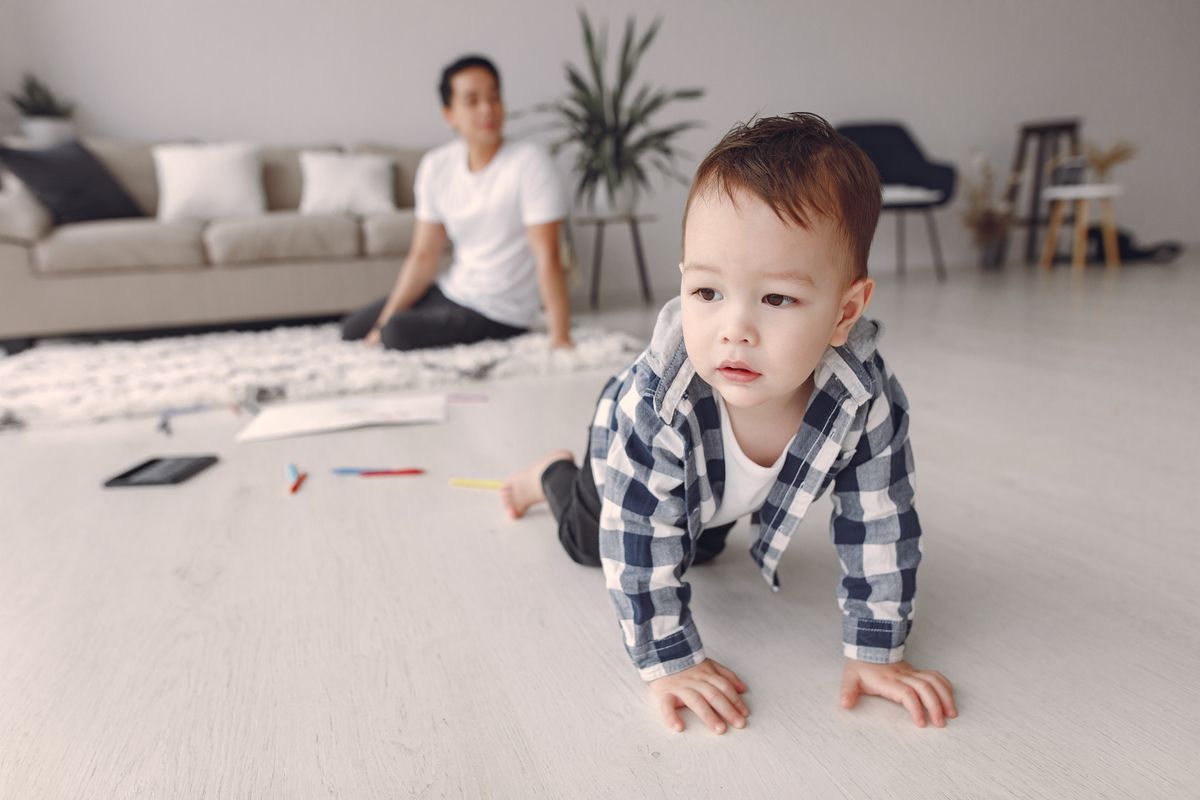
Try this: get on your hands and knees in the middle of your living room and look around. That dangling phone charger cable? Fascinating. The sharp corner on the coffee table, perfectly at head height? Terrifying. The collection of tiny objects under the sofa that you never knew existed? Dinner, apparently.
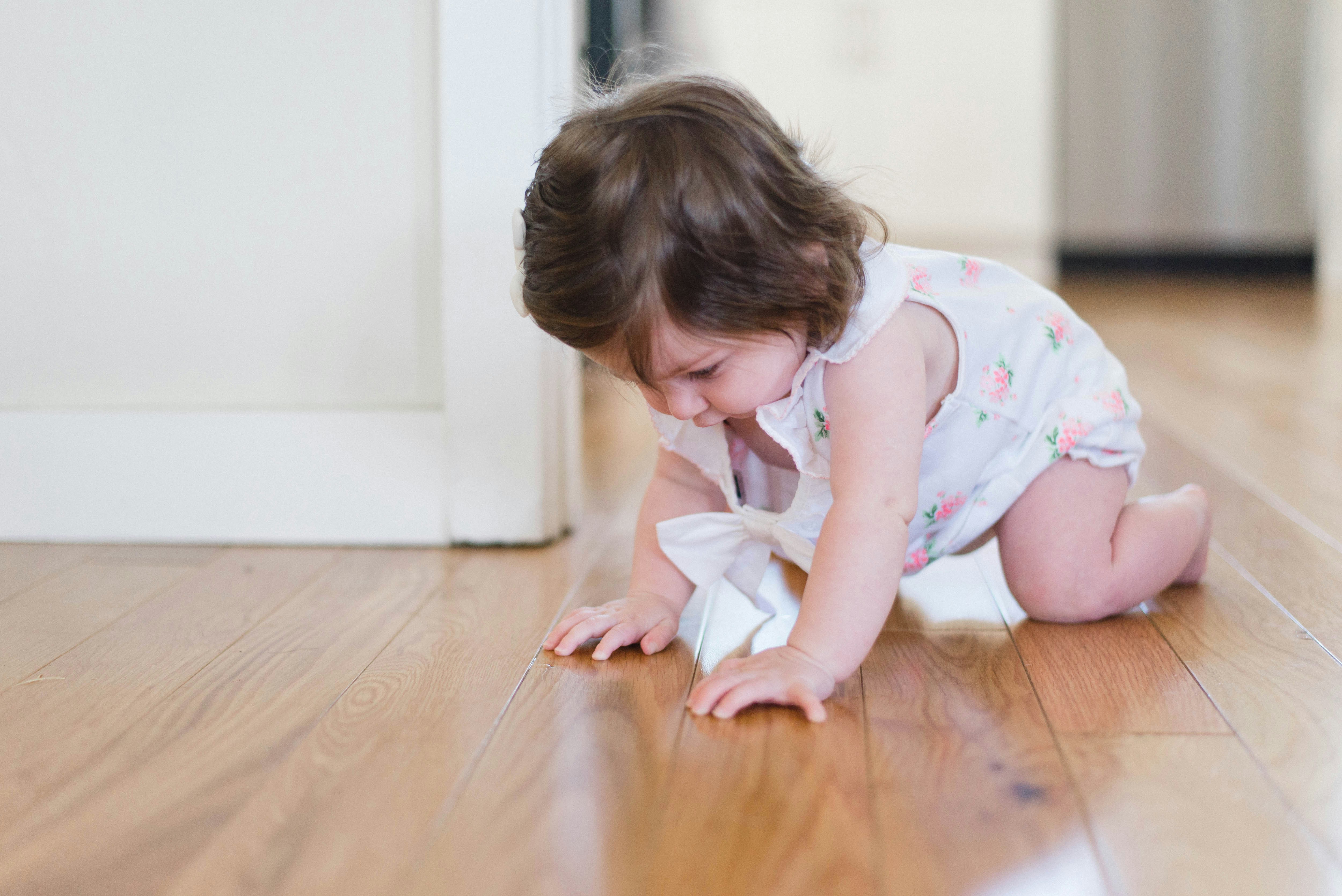
The moment your baby starts moving, your home looks completely different. Suddenly every room is an obstacle course of hazards you never noticed, and the urge to bubble-wrap everything from floor to ceiling is very real.
But here is the thing: you do not need to turn your house into a padded cell. Good baby-proofing is about covering the genuinely dangerous stuff and letting your baby explore safely. Here is what actually matters, room by room, and what you can probably skip. 🏠
The Stairs (The Big One)
Stairs are the single biggest injury risk for mobile babies and toddlers. A stairgate at the top is non-negotiable once your baby can crawl, and one at the bottom is nearly as important.
Top of the stairs: you want a screw-fit gate here, always. Pressure-fit gates are not safe at the top because they can be pushed out of place. A screw-fit gate anchors directly into the wall or stairpost and is not going anywhere, even when an enthusiastic toddler hangs off it like a tiny gymnast.
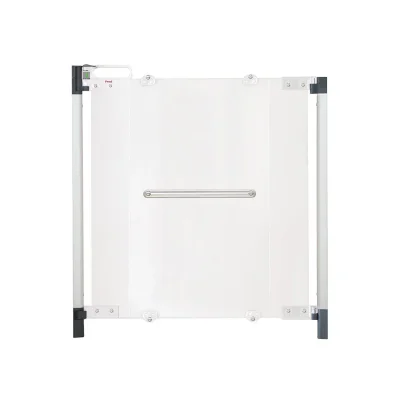

For doorways and the bottom of the stairs, a pressure-fit gate works perfectly. No drilling required, they adjust to fit most standard doorframes, and they are easy to move around the house as your needs change.
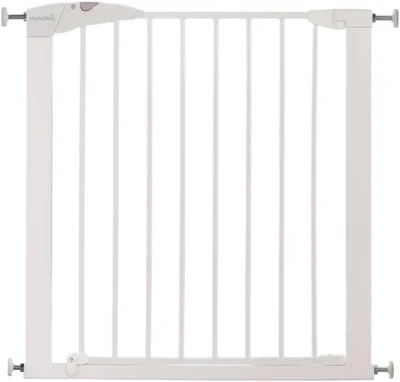

A good rule of thumb: get gates installed before your baby is mobile. Babies go from stationary to surprisingly fast in roughly three days, and you do not want to be drilling into walls while they army-crawl toward the stairs.
The Living Room
This is where your baby will spend most of their time, which is why it needs the most attention. Start with the obvious: anything they can pull down on themselves.
Flat-screen TVs, bookshelves, freestanding wardrobes, and chests of drawers should all be anchored to the wall with furniture straps. This takes five minutes per item and prevents the most serious type of furniture accident. Most flat-pack furniture comes with wall anchors included, but almost nobody actually installs them. Do it.
Electrical sockets are the other big one. Babies are magnetically attracted to plug sockets, probably because they are at exactly the right height and have interesting little holes to poke. Socket covers are cheap, quick to fit, and take one worry off your list entirely.
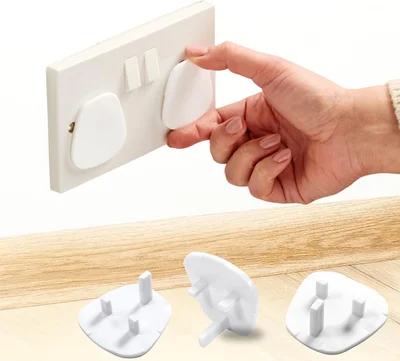
Trailing cables from lamps, phone chargers, and the TV are a tripping and pulling hazard. Cable tidies and clips are your friend here. Tuck everything behind furniture where tiny hands cannot reach.
The Kitchen
The kitchen is where the most serious household accidents happen. Hot liquids, sharp objects, heavy pans, cleaning products. The priority list is clear:
- Move cleaning products, dishwasher tablets, and anything chemical to a high cupboard or one with a child lock. This is the single most important thing you can do in the kitchen.
- Turn pan handles inward on the hob. Every single time.
- Keep hot drinks away from table edges. More children are scalded by cups of tea than almost anything else in the home.
- Consider a gate on the kitchen doorway, especially during cooking times.
You do not need to lock every single drawer and cupboard. One or two with dangerous contents, yes. But leaving a low cupboard with plastic containers and wooden spoons unlocked? That is not a hazard. That is entertainment.
Creating a Safe Zone
Sometimes you just need to know your baby is contained and safe while you nip to the loo, answer the door, or make a cup of tea without a small person attached to your ankle.
A playpen is genuinely one of the most useful baby-proofing investments you can make. Not as a permanent parking spot, but as a safe base when you need a few minutes. Fill it with a few toys, a soft mat, and suddenly you have a portable baby-safe zone that works in any room.


Some parents feel guilty about playpens. Do not. Five minutes in a safe, interesting space with toys is perfectly fine for your baby and genuinely good for your sanity.
The Bathroom
Keep the bathroom door closed. That is honestly about 80% of bathroom baby-proofing sorted in one move.
Beyond that: store medicines, razors, and cleaning products in a high cabinet. Get a non-slip bath mat. Keep the toilet lid down (toddlers are fascinated by toilets and the drowning risk in even shallow water is real). And never leave a baby unattended in or near water, even for a moment.
What You Can Actually Skip
Baby-proofing has become a bit of an industry, and not everything marketed as essential actually is. Here is what you can probably leave:
- Edge bumpers on every surface. Your baby will bump their head. It is part of learning to move. Pad the genuinely sharp corners (glass coffee tables, stone hearths) and let the rest go.
- Door finger guards on every door. Useful on a few doors in high-traffic areas. Not needed on every single one.
- Oven door locks. If your oven gets hot on the outside, worth it. Many modern ovens have cool-touch doors, making this unnecessary.
- Toilet seat locks. Keeping the bathroom door closed achieves the same thing with less faff.
The goal is not to eliminate every possible bump and tumble. It is to prevent the serious stuff: falls from height, access to chemicals, electrical risks, and drowning hazards.
Keeping Watch on a Moving Baby
Once your baby starts crawling and then walking, they get fast. Surprisingly, unreasonably fast. A baby monitor in the main living space lets you keep an ear and an eye on them if you need to step into another room briefly. 👀
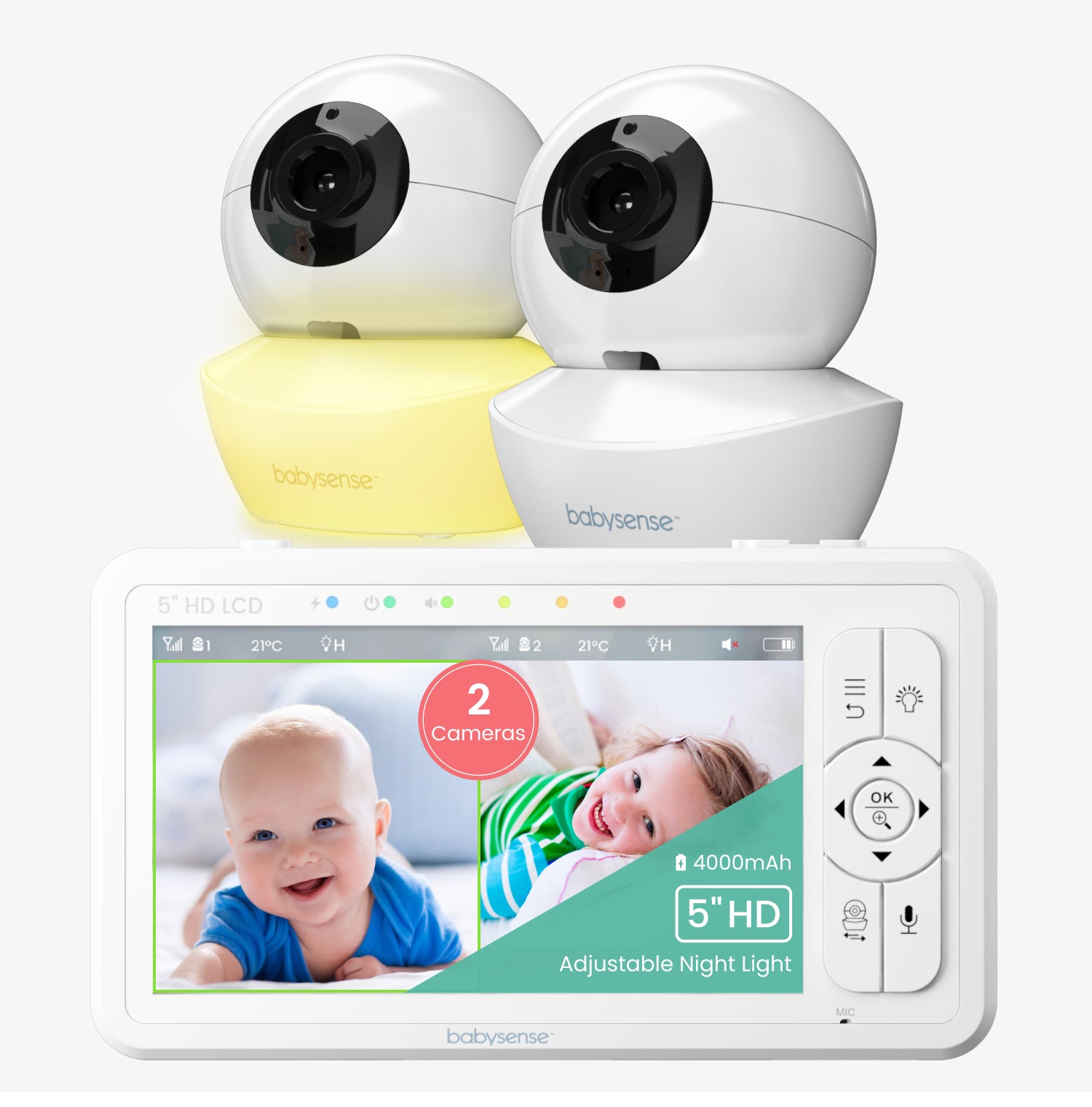
A split-screen monitor with two cameras is particularly handy if you have a nursery upstairs and a play area downstairs. You can see both rooms at once without switching between feeds.
The Honest Summary
Baby-proofing is not about creating a risk-free home. That does not exist, and chasing it will drive you slightly mad. It is about removing the serious hazards, creating safe spaces for your baby to explore, and then letting them do what babies are supposed to do: touch things, test things, bump into things, and figure out the world.
Start with the stairs, the kitchen cupboards, and the furniture anchoring. Everything else can happen gradually as your baby gets more mobile and you spot new things they have found to investigate. You will find yourself saying "how did you even get up there" at least once a week for the next two years. That is completely normal. 💪
Ready to Create Your Baby Registry?
Start your free baby registry today and share it with friends and family.
Get Started Free