The Real Guide to Potty Training: Signs, Strategies, and a Lot of Spare Pants
When to start potty training, how to pick the right approach, and which gear actually helps. Plus what to do when it all goes sideways.
Your mother-in-law swears blind her children were all dry by 18 months. Your best friend's toddler apparently just "clicked" one Sunday afternoon. And your little one? Currently sitting in a freshly changed nappy, perfectly content, showing absolutely zero interest in anything toilet-related. Welcome to potty training, where timelines are made up and the sticker charts may or may not work.
Here is the genuinely reassuring truth: there is no universal right age to start. Most children become reliably dry somewhere between two and three and a half, with plenty of completely normal outliers on either side. Rushing it before they are ready almost always takes longer than waiting for the signs. So take a breath, stock up on spare pants, and let us walk through what actually works. 🚽
When Are They Actually Ready?
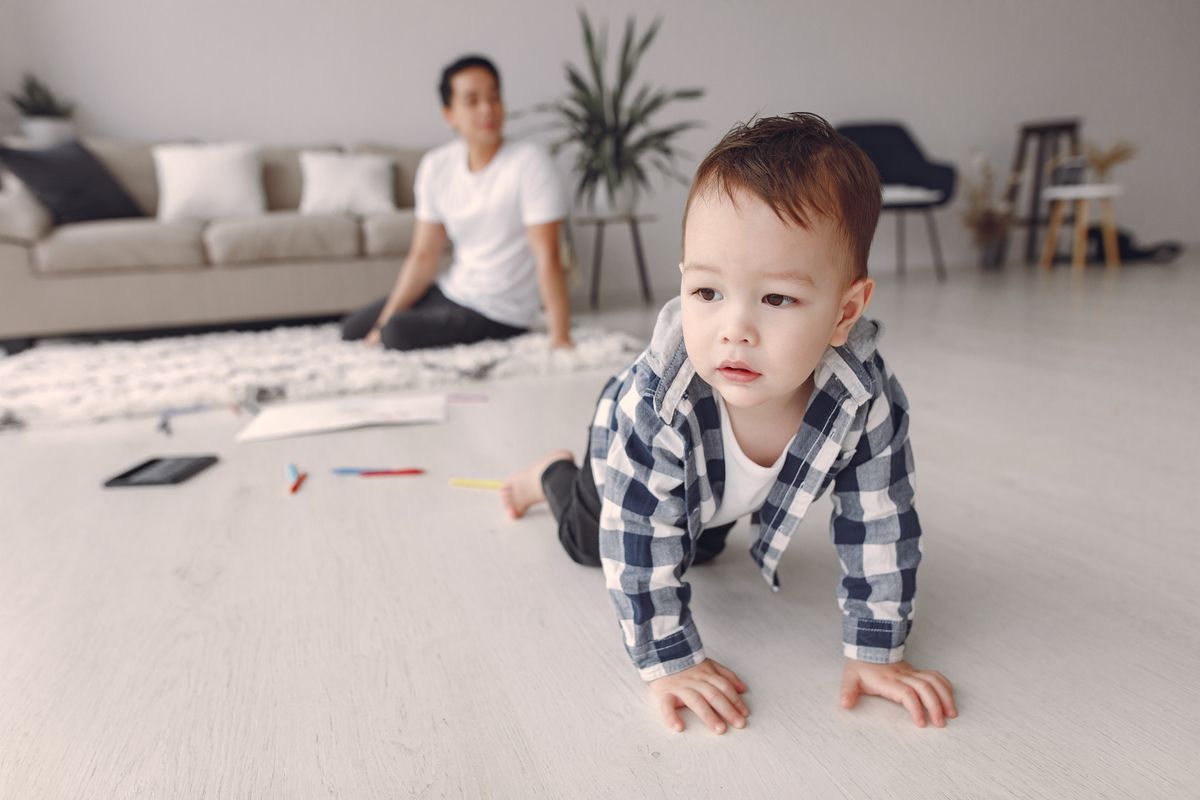
Forget the calendar. Readiness is about signals, not birthdays. Your toddler might be ready to start if they can stay dry for a couple of hours at a stretch, they notice (and sometimes announce) when they are weeing or pooing, they can follow simple instructions, and they show some interest in the toilet or potty.
The keyword here is "interest." If your child actively runs away at the mention of the potty, that is a very clear signal to wait. Pushing through resistance turns a developmental milestone into a battle of wills, and toddlers are extraordinarily good at winning those.
Some parents spot readiness as early as 20 months. Others do not see it until well past three. Both are normal. The child who trains later does not end up any different from the one who trained early. They just saved you a few months of mopping floors. 😅
Pick Your Approach (Then Be Ready to Bin It)
There are broadly two camps, and a sensible middle ground that most parents end up in.
The quick method. Clear the diary, put them in pants, and commit to a few intense days at home with the potty within arm's reach. Lots of prompting, lots of celebration, lots of accidents. This works brilliantly for kids who are clearly ready and respond well to focused attention.
The gradual method. Introduce the potty casually, let them sit on it with or without clothes, build familiarity over weeks before ditching the nappy. Lower stress, slower results, but often sticks just as well.
Most families end up doing a bit of both. They start gradual, realise their toddler is actually getting it, and then go all-in over a long weekend. There is no wrong answer here as long as your child is leading the timeline.
One thing that helps across every approach: routine. Offer the potty first thing in the morning, after meals, and before bath time. Not as a demand, just as a casual part of the day. "Shall we try the potty before we go outside?" works better than "You need to use the potty now."
The Kit That Actually Helps
You do not need much, but the right gear makes a genuine difference. The big decision is standalone potty versus toilet trainer seat, and honestly, there is a strong case for having both.
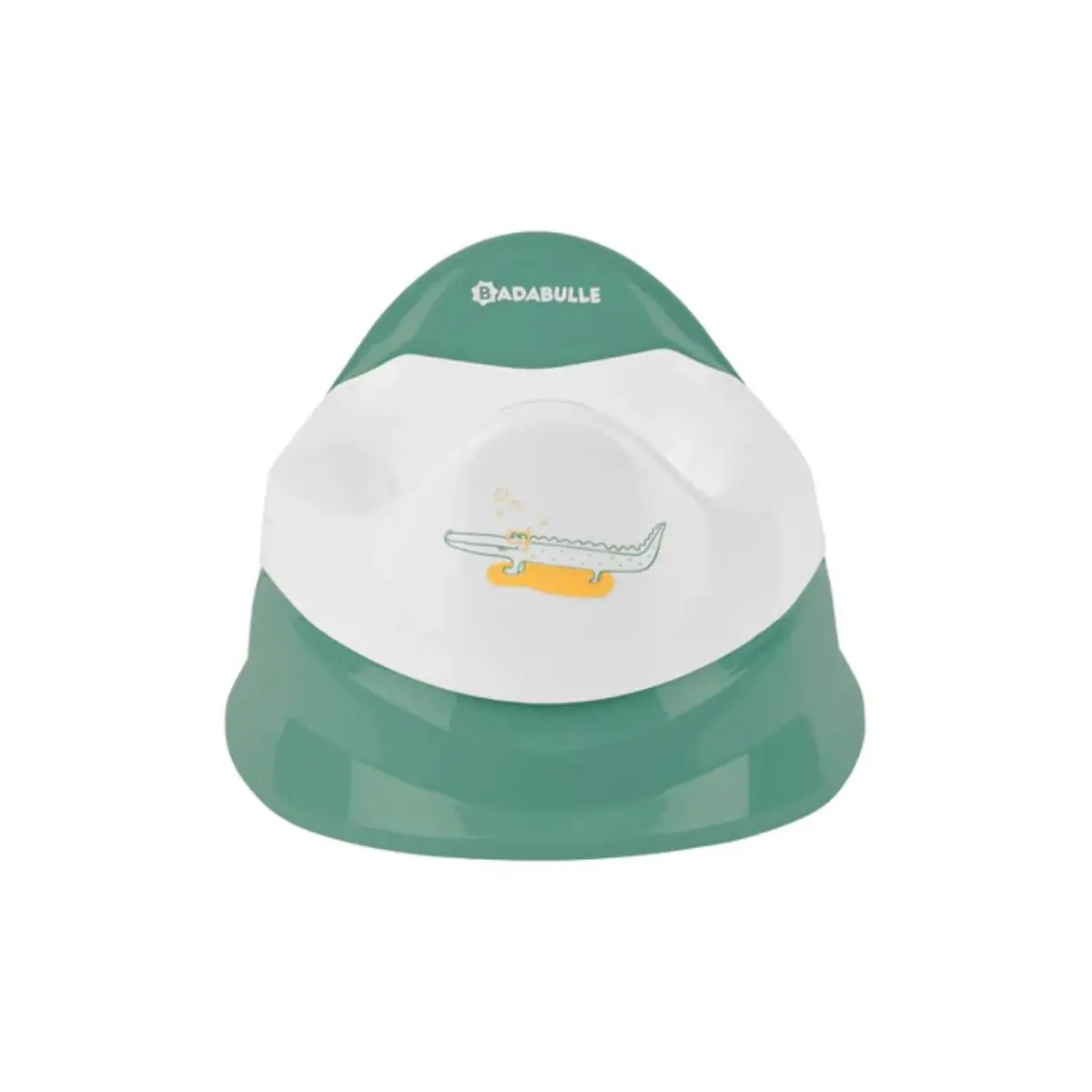
A standalone potty lives where your toddler plays. It is low, accessible, and not remotely scary, which matters more than you would think. Look for one with a removable bowl for easy cleaning, because you will be cleaning it multiple times a day in the early weeks.

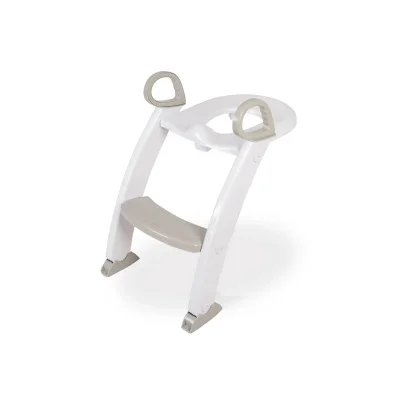
A toilet trainer seat fits onto your existing loo and skips the transition from potty to toilet later. If your toddler is confident enough to climb up (with a step), this can streamline the whole process. A combined seat-and-step trainer is particularly handy because it gives them the independence to manage everything themselves.
For trips to the park, grandparents' house, or anywhere without a convenient loo, a compact portable trainer seat is worth its weight in gold. It saves you from the dreaded "I need a wee NOW" moment with no facilities in sight.
Beyond the hardware, stock up on: spare pants (at least ten pairs), easy-on-easy-off trousers (no dungarees, no belts, no fiddly buttons), a waterproof mattress protector, and a small step stool for handwashing.
When It All Goes Sideways
Regression is not failure. Read that again. Nearly every child who is potty training will have a patch, sometimes weeks into the process, where they suddenly start having accidents again. This is so common it is practically a guaranteed stage.
Common triggers include a new sibling arriving, starting nursery, illness, a house move, or simply being too absorbed in playing to notice the signals. The fix is almost always the same: go back to frequent prompting, stay calm, and resist the urge to put them back in nappies full-time. A few days of gentle reinforcement usually gets things back on track.
If your child was dry for months and suddenly regresses, or if they seem in pain when weeing, mention it to your doctor. Most of the time it is nothing, but a UTI or constipation can cause setbacks that no amount of sticker charts will fix.
Night Dryness Is a Whole Different Thing
Being dry during the day and being dry at night are separate developmental milestones, controlled by different processes. Daytime dryness is about learning to recognise signals and respond. Night dryness is about producing a hormone (vasopressin) that slows the kidneys while they sleep, and that is something their body does on its own schedule.
Many children who are reliably dry during the day still need a pull-up at night for months or even years. This is completely normal and not something you can "train." Most children are night-dry by about five, but up to one in six still need help at seven. If you are worrying about night wetting, your doctor can put your mind at rest.
In the meantime, a waterproof mattress protector and a calm "no big deal" response to wet beds go a very long way.
The Stuff That Actually Matters
Praise the effort, not just the success. "You sat on the potty, brilliant!" matters just as much as celebrating an actual wee. Stay relaxed. Your toddler will pick up on your anxiety faster than you can say "dry pants." Accidents are data, not disasters. Each one tells you something about timing, signals, or readiness.
And finally, please ignore anyone who implies your child "should" be trained by a certain age. Every child's timeline is their own, and the only potty training comparison that matters is where YOUR child was last week versus where they are today.
You have got this. Even if "this" currently involves a lot of carpet cleaner and emergency trips to the loo. It will not last forever, and one day you will genuinely forget what nappy bags even look like. That day is coming. 🎉
Building your baby wishlist? Add your potty training essentials to your BubsNest registry so family know exactly what to grab.
Ready to Create Your Baby Registry?
Start your free baby registry today and share it with friends and family.
Get Started Free