Baby-Proofing Your Home: A Room-by-Room Guide That Won't Send You Round the Bend
Your baby is on the move and suddenly your home looks like a hazard zone. Here's what actually matters, room by room, without the panic.
Somewhere around the six-month mark, the internet will try to convince you that your entire home is basically a death trap. Sharp corners everywhere. Sockets at perfect finger-poking height. Cupboards full of cleaning products just waiting to be opened by tiny, determined hands.
Deep breath. Your home is fine. Your baby is fine. And you absolutely do not need to wrap every surface in foam before they learn to roll. What you do need is a calm, practical plan that tackles each room as your little one hits new milestones. Crawling? Sort the living room. Pulling up? Time for stair gates. Walking? OK, now the kitchen gets interesting. 🏠
Here's how to do it room by room, without losing your mind or your entire weekend.
When to Actually Start
Most parents start baby-proofing in a mild panic the first time their baby moves somewhere unexpected. That's completely normal and honestly, not a bad strategy. Babies don't go from stationary to scaling bookshelves overnight. You have a window.
A reasonable timeline looks something like this. Around five to six months, get the basics done in whatever room your baby spends the most time in. By eight to nine months, when crawling picks up speed, extend to the kitchen, bathroom and hallways. By twelve months, when pulling up and cruising start, do a final sweep for anything at standing height.
The key thing? You don't need to do it all at once. Baby-proofing is a rolling project, not a one-weekend blitz.
The Living Room
This is where your baby will spend the majority of their waking hours, which means it's where most bumps and discoveries happen. Start here.
Corners and edges. Coffee tables are the number one culprit. If yours has sharp corners, stick-on protectors are cheap, easy, and genuinely prevent the kind of forehead bump that makes your stomach drop. You don't need to cover every single edge in the house, just the ones at baby head height in high-traffic areas.
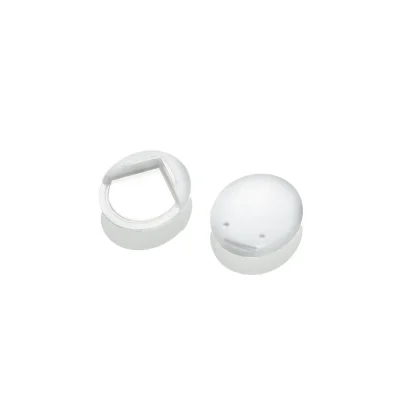


Sockets. Babies are magnetically attracted to plug sockets. It's like a universal law. Simple socket covers take two seconds to fit and remove one worry from your mental list entirely.
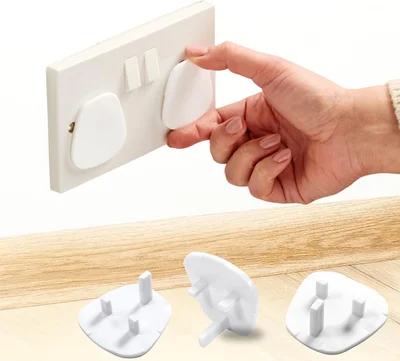

Cables and cords. Phone chargers, lamp cords, TV cables. If it dangles, your baby will pull it. Tuck cables behind furniture, use cord tidies, or just unplug things when they're not in use. Blind cords should be tied or clipped well out of reach.
A safe zone. One of the most underrated baby-proofing moves is creating a contained space where you know your baby is safe while you nip to the loo or answer the door. A playpen with a soft mat gives you that breathing room. It doesn't need to be permanent, just available when you need both hands free.
The Kitchen
The kitchen becomes properly interesting once your baby starts crawling towards it at speed. Three things matter most here.
Cupboard locks. You only really need them on cupboards containing cleaning products, sharp objects, or heavy items like pans that could topple. The cupboard with the Tupperware? Let them at it. Seriously. A baby happily pulling out plastic containers is a baby who's not trying to open the one with the bleach in it. 🧽
The oven. If your oven door gets hot during use, an oven guard is worth considering. If it doesn't (most modern ovens stay cool), you can probably skip it. An oven lock is a good idea either way once they can reach the handle.
The bin. Pedal bins are fascinating to babies and disgusting to parents who then have to fish things out of tiny mouths. A bin with a lock or a bin stored inside a cupboard solves this one neatly.
Stairs and Hallways
If you have stairs, a safety gate is non-negotiable. Full stop. This is the one piece of baby-proofing gear that every parent with a staircase needs, no exceptions.
You want one at the top and one at the bottom. Pressure-fit gates work well at the bottom of stairs and in doorways. For the top of stairs, a wall-mounted gate is safer because it can't be pushed out of position. Look for one that opens easily with one hand, because you will be carrying a baby, a cup of tea, and a muslin cloth simultaneously. Every single time.
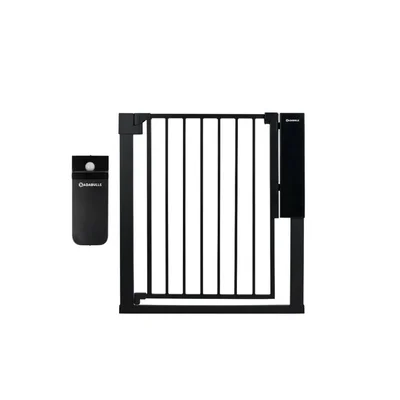
Hallway-wise, check for anything at floor level that could be a trip hazard. Shoes, bags, the dog's water bowl. It's less about buying things and more about getting into the habit of keeping the path clear.
The Bathroom
The simplest baby-proofing rule for the bathroom: keep the door shut. A door handle cover or a simple hook-and-eye latch at adult height keeps curious crawlers out entirely.
Beyond that, store medicines and cleaning products in a high cabinet or one with a lock. A non-slip mat in the bath is sensible once your baby starts sitting up during bath time. And never, ever leave water standing in the bath. Even a few centimetres can be dangerous.
The toilet is another one. A toilet lock sounds excessive until you've watched a baby try to drop a toy car into it. Your call on that one.
The Nursery
Ironically, the room you probably spent the most time decorating is usually the easiest to baby-proof. A few things to check once your baby starts pulling up to stand.
Make sure the cot mattress is on the lowest setting. Anchor any tall furniture (bookshelves, chest of drawers, wardrobes) to the wall with anti-tip brackets. These are cheap, invisible, and prevent the kind of accident that haunts every parent's imagination. Move the changing mat to floor level once your baby can roll, because the changing table becomes a launchpad.
Check that curtain or blind cords are well out of reach, and remove any small decorative items from low shelves. That gorgeous ceramic elephant from the baby shower? Top shelf for now.
What You Can Probably Skip
Baby-proofing is one of those areas where you can easily overspend on things that sound essential but aren't. Here's what most parents find they don't actually need.
- Door slam guards on every door. One or two on doors your baby uses regularly, sure. Every door in the house? Unnecessary.
- Foam edge strips on every piece of furniture. Just the sharp, head-height ones in the rooms your baby actually uses.
- Toilet seat locks (unless your child is genuinely obsessed). Many parents find keeping the bathroom door shut is enough.
- Full kitchen drawer locks. Lock the dangerous drawers. Let them explore the safe ones. Wooden spoons and Tupperware lids are free toys.
The golden rule of baby-proofing is this: protect against the genuinely dangerous stuff (stairs, chemicals, heavy furniture, water) and relax about the rest. A bumped head on a table leg is part of learning to move. A fall down the stairs is not. Keep your energy for the things that actually matter.
Your Baby-Proofing Checklist
If you want to work through it methodically, add the essentials to your BubsNest wishlist and tick them off as your baby hits each stage. Safety gates, corner protectors, socket covers, furniture anchors, cupboard locks for chemicals. That's genuinely most of it.
And remember, baby-proofing is not about creating a padded cell. It's about removing the serious hazards so you can relax enough to let your baby explore. Because that exploring? That's exactly what they're supposed to be doing. 💛
Ready to Create Your Baby Registry?
Start your free baby registry today and share it with friends and family.
Get Started Free