Wind, Colic, and Your Baby's Tummy: What Actually Helps (And What's Just Noise)
Trapped wind, endless crying, and advice from everyone with an opinion. Here is the practical, no-guilt guide to helping your baby get comfortable.
It Is Not You. It Is Just Air.
Here is something that might take the pressure off: wind in babies is not a diagnosis. It is not a sign you are doing something wrong with feeding, or holding them at the wrong angle, or using the wrong bottle. It is just air, in a very small body, trying to find its way out.
Every baby gets wind. Every single one. Some handle it with a casual burp mid-feed and carry on. Others turn into rigid, red-faced, screaming bundles of fury until the offending air bubble finally shifts. If your baby falls into the second camp, you are not alone, and you are not failing. You just got the dramatic one. 💨
The good news? There are things that genuinely help. The tricky part is separating the useful advice from the avalanche of well-meaning suggestions that mostly just add guilt. So here is the practical version, no judgement attached.
Why Babies Get So Much Wind
Newborns are still figuring out how to eat. Whether they are breastfed or bottle-fed, they swallow air during feeds, sometimes a lot of it. Their digestive systems are brand new and still maturing, which means moving gas through takes longer and feels more uncomfortable than it would for an older child.
A few things can make wind worse:
- A fast milk flow (breast or bottle) that forces them to gulp
- Crying before a feed, which fills the stomach with air before milk even arrives
- A latch that is not quite sealed, letting air sneak in alongside the milk
- Lying flat straight after feeding, trapping air underneath the milk
None of these are failures. They are just mechanics. And once you understand the mechanics, you can start working with them instead of against them.
Burping: The Bit Everyone Tells You About (But Nobody Shows You Properly)
You will hear "make sure you wind them" roughly four hundred times in the first week. What nobody explains is that there are several positions, and the one that works for one baby might do absolutely nothing for another.
Over the shoulder. Hold your baby upright with their chin resting on your shoulder. Support their bottom with one hand and gently pat or rub their back with the other. This is the classic, and it works well for bigger burps. Keep a muslin over your shoulder unless you enjoy wearing regurgitated milk as an accessory.


Sitting up on your lap. Sit your baby on your knee, leaning them slightly forward. Support their chin and chest with one hand (fingers around their jaw, not their throat) and pat their back with the other. This position works surprisingly well for stubborn wind that will not shift.
Face down across your lap. Lay your baby tummy-down across your thighs, with their head slightly higher than their chest. Rub or pat their back gently. The pressure on their tummy can help move trapped air, and plenty of babies find this position soothing even when wind is not the issue.
A few things worth knowing: you do not have to wind your baby after every single feed if they seem comfortable. Some babies, particularly breastfed ones, take in very little air and do not need much help. If your baby falls asleep peacefully after a feed without burping, let them sleep. The burp police are not coming.
When It Might Be Colic
Colic is one of those words that gets thrown around a lot, usually when a baby cries for longer than anyone expected and nobody can work out why. The technical definition is crying for more than three hours a day, more than three days a week, for more than three weeks. But honestly, if your baby is screaming inconsolably every evening, you are not counting hours. You just want it to stop.
The frustrating truth about colic is that nobody knows exactly what causes it. It might be digestive discomfort. It might be an immature nervous system getting overwhelmed by the end of the day. It might be a combination of things. What we do know is that it is temporary, it peaks around six weeks, and it almost always resolves by three to four months.
That does not make it easier to live through. But it does mean there is an end point, even when it does not feel like it at 7pm on a Tuesday. 💛
What You Can Actually Try
There is no single magic fix, but these are the things that parents and health professionals consistently say make a real difference.
Tummy massage. Using gentle, clockwise circular motions on your baby's tummy can help move trapped gas along. Do it during a calm, awake moment, not mid-meltdown. Warm hands help. Some parents use a little baby-safe oil to make the massage smoother.
Bicycle legs. Lay your baby on their back and gently move their legs in a cycling motion. This sounds almost too simple to work, but it genuinely helps shift stubborn lower wind. You can combine it with gentle tummy pressure by pushing their knees gently toward their tummy.
Simeticone drops. Products containing simeticone (like Infacol) work by joining small gas bubbles into bigger ones, making them easier to bring up. You give them before each feed. They do not work for every baby, but they are safe, widely available, and worth trying if burping alone is not cutting it.


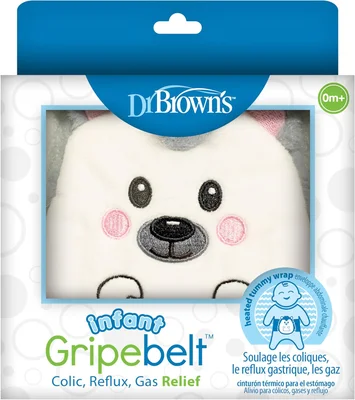
Warm comfort for the tummy. A gentle source of warmth on your baby's abdomen can relax the muscles and help trapped gas move. A purpose-made heated tummy wrap sits snugly against their belly and provides consistent, safe warmth without the risk of a hot water bottle.
Paced bottle feeding. If your baby is bottle-fed, slowing down the feed can reduce the amount of air they swallow. Hold the bottle more horizontally so milk only just fills the teat, pause every few minutes, and let them set the pace. It takes longer, but it can make a noticeable difference to wind afterwards.
Holding them upright after feeds. Keeping your baby upright for 15 to 20 minutes after a feed lets gravity do some of the work. You do not need a special device for this. A cuddle works perfectly.
What Probably Will Not Help
Changing your diet drastically if you are breastfeeding is rarely necessary. The idea that everything you eat passes directly into your milk and upsets your baby is mostly a myth. In very rare cases, a specific food intolerance (usually cow's milk protein) can cause issues, but this comes with other symptoms like mucousy nappies or eczema, not just general fussiness. If you suspect an intolerance, speak to your GP rather than eliminating foods on your own.
Switching formula constantly is another common instinct, but it can actually make things worse by unsettling their digestion further. If you think formula might be contributing, talk to your health visitor before making changes.
And the expensive "anti-colic" gadgets that promise to eliminate crying? Some are genuinely helpful (anti-colic bottles with venting systems can reduce air intake). Others are just clever marketing. Read reviews from real parents before spending.
When to See Your GP
Wind and colic are uncomfortable but not dangerous. However, a few signs suggest something else might be going on:
- Your baby is not gaining weight or is losing weight
- They are vomiting forcefully (not just posseting) after most feeds
- There is blood or mucus in their nappies
- They seem in pain during or immediately after every feed
- They arch their back rigidly during feeds
- They are unusually sleepy or difficult to rouse
These could point to reflux, a milk protein allergy, or another condition that needs proper assessment. Trust your instincts. If something feels off, it is always worth getting checked.
It Gets Better. It Really Does.
The wind phase feels endless when you are in it. The crying, the pacing, the desperate googling at midnight. But baby digestive systems mature remarkably quickly. By three to four months, most babies have worked out how to handle wind on their own, colic has eased, and feeds become calmer for everyone.
In the meantime, be kind to yourself. You are not supposed to have all the answers. You are not supposed to enjoy every moment. You are just supposed to keep going, one feed and one burp at a time.
And if you are building your baby wishlist, adding a few wind-busting essentials to your BubsNest registry means well-meaning relatives can buy you something you will actually use, instead of another decorative bib. 🍼
Ready to Create Your Baby Registry?
Start your free baby registry today and share it with friends and family.
Get Started Free