Your Baby’s First Cold: What to Have Ready, What to Do, and When to Worry
Cold season is coming. Here is everything you need to know about managing your baby’s first sniffle, from the kit worth stocking to the symptoms that need a doctor.
The clocks have not even gone back yet and already your group chat is filling up with the same panicked message: "Baby has a cold, what do I do?!" If your little one has not had their first sniffle yet, it is almost certainly heading your way. Babies average eight to twelve colds in their first two years, and the autumn-winter stretch is when most of them arrive in one relentless wave. 🤧
Here is the reassuring bit: the vast majority of baby colds are completely harmless. They are miserable, yes. Messy, absolutely. But dangerous? Almost never. The trick is knowing what to have in the house before the snot arrives, what actually helps once it does, and which handful of signs mean you need to pick up the phone.
Why Babies Catch So Many Colds
Your baby's immune system is brand new. Every virus it meets for the first time triggers a full-blown response, which is why a cold that would give you a stuffy nose for two days can flatten your baby for a week. They are not "always ill" because something is wrong. They are always ill because everything is new.
Babies also touch everything and then put their hands straight in their mouths. They share toys, dribble on each other at baby groups, and have zero concept of personal space. It is basically a virus's dream scenario.
Build Your Cold-Season Kit (Before You Need It)
There is nothing worse than realising at midnight that you do not own a working thermometer. Get these bits sorted now, while everyone is healthy, and tuck them somewhere easy to grab.
A reliable thermometer
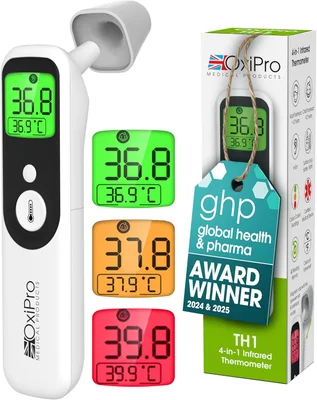
You need one that gives you a fast, clear reading without waking a sleeping baby. A no-touch forehead or in-ear thermometer is worth the extra few pounds over a basic digital strip. You will use it more than you think.

Saline drops or spray
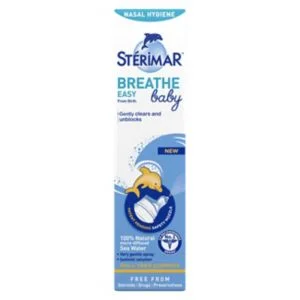
Babies cannot blow their noses. Saline loosens the mucus so it can drain on its own or be gently removed. It sounds too simple to work, but it is genuinely the single most useful thing you can do for a congested baby. A quick spray before feeds can make the difference between a baby who eats happily and one who pulls off screaming every thirty seconds.

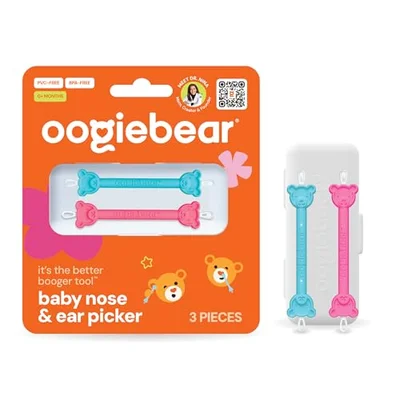
Something to clear the gunk
Once the saline has done its loosening work, you need a way to actually get the mucus out. A nasal aspirator is the classic choice, but some parents find a simple booger-picker tool less dramatic for baby (and for themselves). Either way, having something on hand saves a lot of frustrated feeding sessions.
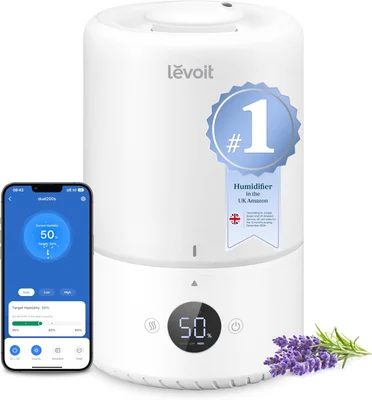
A cool-mist humidifier
Dry air makes congestion worse. A humidifier in the nursery adds moisture back, which helps your baby breathe more easily overnight. Cool mist is the only safe option for a baby's room, warm steam is a burn risk. Run it during naps and overnight, and clean it regularly so it does not become a mould farm.
Vapour comfort for nighttime
When congestion peaks at bedtime (and it always peaks at bedtime), a gentle vapour release can help your baby settle. Look for plug-in options designed for babies, they use milder formulations than adult menthol products and double as a soft nightlight so you can check on them without flicking the big light on.

What to Actually Do When the Cold Hits
Right, so the sniffles have arrived. Your baby is bunged up, grizzly, and looking at you like you should be fixing this. Here is what helps.
Keep feeding going
Whether you are breastfeeding, bottle feeding, or a mix of both, fluids are the priority. A congested baby will feed in shorter bursts because they cannot breathe and swallow at the same time. That is normal. Offer feeds more often rather than trying to get them to take more at each one. If they are on solids, do not stress if they eat less than usual for a few days.
Tilt the cot mattress slightly
A very gentle incline (a folded towel under the mattress at the head end, not a pillow in the cot) can help mucus drain and make breathing a bit easier. Nothing dramatic, just a slight angle.
Clear the nose before feeds and sleep
This is the golden rule. A baby who can breathe through their nose will feed better and sleep longer. Saline drops plus gentle suction or picking, timed just before you offer the breast, bottle, or put them down, makes the biggest practical difference.
Keep them comfortable, not overheated
A mild fever is your baby's immune system doing its job. You do not need to "break" a fever unless your baby is clearly uncomfortable. Dress them in one light layer, keep the room around 16 to 20 degrees, and use infant paracetamol or ibuprofen if they seem genuinely miserable (always check age guidelines on the box first).
Cuddle. A lot.
This is not fluffy advice. Skin-to-skin contact helps regulate your baby's temperature and breathing, and being held upright on your chest is one of the best positions for a congested baby. You are not spoiling them. You are being their favourite medicine. 💛
When to Call the Doctor
Most colds run their course in seven to ten days. But there are a few signs that mean you should get medical advice sooner rather than later.
- Under three months with any fever (38 degrees or above). Always call. Newborns need checking because their immune systems are so immature.
- Breathing that looks different. If you can see their ribs pulling in with each breath, their nostrils flaring wide, or they are breathing much faster than usual, that needs attention today.
- Refusing feeds for more than a few hours. Shorter feeds are fine. No feeds at all is a red flag, especially in very young babies.
- A fever that lasts more than five days or one that goes away and then comes back.
- They seem unusually floppy, sleepy, or just "not right." You know your baby. If something feels off, trust that instinct and call.
Call 999 or go straight to A&E if your baby has blue lips, is struggling to breathe, is unresponsive, or has a rash that does not fade when you press a glass against it.
What You Do Not Need
A quick word on the things that sound helpful but are not worth your money or worry.
- Cough medicine or decongestants. Not recommended for under-sixes. Saline and cuddles genuinely do more.
- Antibiotics. Colds are caused by viruses. Antibiotics treat bacteria. Your doctor will prescribe them if a secondary bacterial infection develops, but they will not speed up a standard cold.
- Steam inhalation bowls. A burn risk for babies. A humidifier in the room achieves the same thing safely.
- Teething gel "just in case." Teething and colds have overlapping symptoms, but treating for teething when it is actually a cold just delays the useful stuff.
Looking After Yourself Too
A poorly baby is exhausting. You will sleep less, worry more, and probably catch the cold yourself about three days later. Ask for help if you have it. Accept that the house will be a state. Batch some easy meals if you have the energy, or just live on toast and tea for a few days. Nobody is keeping score.
And if you are reading this at 2am with a snuffly baby on your chest, here is what you need to hear: you are doing a brilliant job. This bit is temporary. Your baby is building an immune system that will serve them for life, one grotty cold at a time.
Want to get your cold-season kit sorted in one go? Add everything to your BubsNest wishlist and tick it off before the first sniffle arrives. Future you will be grateful, we promise.
Ready to Create Your Baby Registry?
Start your free baby registry today and share it with friends and family.
Get Started Free