Building a Bedtime Routine That Actually Works (It’s Simpler Than Instagram Makes It Look)
Forget the elaborate wind-down rituals. A bedtime routine that works is short, boring, and repeatable. Here is how to build one your baby will actually respond to.
Somewhere between your third scroll through a parenting forum and your second cup of cold tea, you have probably seen a bedtime routine that involves lavender massage oil, a specific playlist, a story read in exactly the right tone of voice, and a room temperature of precisely 18.5 degrees. It looks beautiful. It also looks exhausting.
Here is the secret that nobody puts on their highlight reel: the best bedtime routines are boring. Predictable, short, and repeatable. That is what makes them work. Your baby does not need a spa experience. They need a pattern their brain can latch onto, one that says "sleep is coming" every single time. 🌛
Why Routines Matter More Than You Think
Babies are not born knowing the difference between day and night. For the first few weeks, they genuinely have no idea. A bedtime routine is how you teach them.
It is not about the specific steps. It is about the repetition. When the same things happen in the same order every evening, your baby's brain starts to anticipate what comes next. Bath, pyjamas, feed, story, bed. After enough repetitions, their body begins winding down before you even dim the lights.
Think of it like this: you probably have your own little routine before bed, even if you have never thought of it as one. Maybe you brush your teeth, check your phone one last time, adjust the pillows. You would feel odd going straight from watching telly to falling asleep. Your baby is the same, just with fewer opinions about pillows.
When to Start
You do not need to start a routine from day one. Honestly, the first few weeks are about survival, and anyone who tells you otherwise has either forgotten or is lying. Feed, change, sleep, repeat. That is the newborn routine and it is perfectly fine.
Around six to eight weeks is a lovely time to introduce a simple wind-down sequence. Nothing rigid, just a few steps you do in the same order each evening. By three to four months, most babies are developmentally ready to respond to a more structured routine. But there is no deadline. Starting at five months, seven months, or even a year is absolutely fine. The best time to start is whenever you feel ready.
Keep It Short
A bedtime routine should take 20 to 30 minutes. That is it. If yours is stretching past 45 minutes, something has crept in that does not need to be there. The longer a routine gets, the harder it is to maintain on the tough evenings, and the tough evenings are exactly when you need it most.
Aim for three to five steps. More than that and you are building a production, not a routine. Fewer than three and your baby might not have enough cues to recognise the pattern.
Bath Time (Optional, but Brilliant)
A warm bath is a fantastic routine starter because it gives your baby a clear physical signal that the day is over. The slight drop in body temperature after getting out of the bath actually helps trigger sleepiness. Science is on your side here.
That said, you do not have to bath your baby every night. Newborn skin does not need daily washing, and some babies hate baths with a passion that could power a small city. If bath time is a screaming match, skip it. A warm flannel wipe-down works just as well as a routine signal. The point is the transition, not the water.
Getting Dressed for Sleep
This sounds like nothing, but the act of changing into nightwear is one of the strongest sleep cues you can build. It is physical, it is consistent, and it marks a clear before-and-after in your baby's evening.
A sleep bag is brilliant for this. It becomes a wearable signal that says "we are done with daytime now." Over time, your baby will start associating that cosy, familiar feeling with settling down. It also means you do not have to worry about blankets being kicked off at 2am.


Pick whatever sleepwear your baby is comfortable in. The consistency matters more than the outfit. If they wear the same type of sleep bag every night, that is their cue.
The Last Feed
Whether you are breastfeeding, bottle feeding, or doing a mix of both, the final feed of the day often slots naturally into the routine. Just be mindful of one thing: try not to let the feed become the thing that puts them to sleep.
This is genuinely hard, especially in the early months. A warm, full baby in your arms is practically designed to drift off. But if the only way your baby can fall asleep is while feeding, you will need to replicate that at every wake-up through the night. If you can, aim to keep them slightly awake for the next step. Even just barely.
No guilt if this does not work yet. Especially in the newborn stage, feeding to sleep is completely normal and nothing is broken. You can gently shift it later when you are both ready.
Stories, Songs, and Quiet Cuddles
This is the bit most people think of when they picture a bedtime routine, and for good reason. It is lovely. A short story, a quiet song, a few minutes of gentle rocking. This is your connection time, and it matters for both of you.
For tiny babies, the words do not matter at all. They cannot understand the story. What they can sense is your voice slowing down, your breathing getting calmer, the world getting quieter. Read the back of a cereal box in a soothing voice and your newborn will not know the difference.
As they get older, board books with simple pictures become part of the ritual. And eventually, they will have favourites that they demand every single night for months. You will know every word of "The Gruffalo" by heart. This is a rite of passage.

Some parents love audiobook players for older babies and toddlers. They can become part of the routine itself, a familiar voice telling a familiar story while you sit together in the dim light. It is also a lifesaver on the nights when your own voice has run out of energy. 📖
Setting the Scene
Your baby's sleep environment does not need to be Instagram-perfect, but a few simple things make a real difference.
Darkness. Proper darkness. Blackout blinds or curtains are genuinely one of the best investments you can make, especially in summer when it is still bright at bedtime. Your baby's brain needs darkness to produce melatonin, and even a small amount of light can interfere with that process.
Temperature. A room between 16 and 20 degrees is the sweet spot. Overheating is a bigger concern than being slightly cool, so when in doubt, go cooler rather than warmer and adjust the tog of their sleep bag accordingly.
Sound. Some babies sleep beautifully in silence. Others need a consistent background sound to mask the noises of a house that is still awake. White noise or gentle static works well because it is monotonous, and monotonous is exactly what a sleepy brain wants. It also means that the dog barking or the doorbell ringing is less likely to jolt them awake.




A gentle night light can also help, not for your baby (who sleeps better in darkness), but for you. Those middle-of-the-night checks are much easier with a soft glow than fumbling for your phone torch. Look for one with a warm amber or red tone rather than blue or white light, which can suppress melatonin.
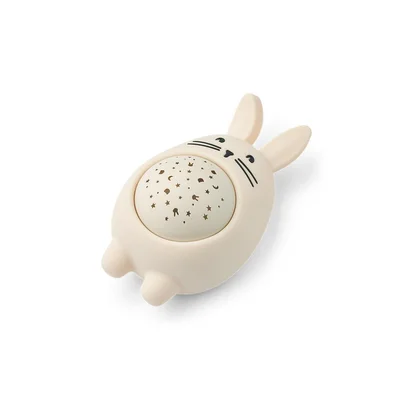
The Hardest Part: Putting Them Down
You have done the bath, the pyjamas, the feed, the story. The room is dark, the white noise is humming. Now comes the bit that every parenting book glosses over: actually putting your baby down and walking away.
Some babies go down easily. Some do not. Both are normal. The goal is not perfection on night one. The goal is that over time, with enough repetition, your baby starts to understand that this sequence ends with sleep.
If your baby cries when you put them down, you are not doing it wrong. If you pick them up and try again, you are not creating bad habits. If some nights the routine goes out the window because everyone is exhausted and you just need to get through it, that is fine too. One off night does not undo weeks of consistency.
When It All Falls Apart
It will. Multiple times. Sleep regressions, teething, illness, holidays, clocks changing, growth spurts. There are so many things that can temporarily wreck a routine that you might wonder whether it was ever working at all.
It was. And it will again. The beauty of a routine is that it is always there to come back to. After the teeth come through, after the cold passes, after you get home from holiday, you pick up the same steps in the same order and your baby's brain remembers. Faster than you would expect, usually.
The parents who struggle most are the ones who abandon the routine entirely when it stops working. The ones who do best are the ones who keep going through the rough patches, even if it feels pointless. It is not pointless. It is foundations.
The Only Rule That Matters
Do what works for your family. Not what works for the mum on Instagram, not what the book says, not what your mother-in-law insists she did in 1987. If your routine is bath, boob, and a lullaby, brilliant. If it is pyjamas, story, white noise, and a kiss, equally brilliant.
The best bedtime routine is one you can do every single night without dreading it. Keep it simple, keep it consistent, and give it time. Your baby will get there. And so will you.
Building your baby registry? Add your bedtime essentials to your BubsNest wishlist so family and friends know exactly what you need. ✨
Ready to Create Your Baby Registry?
Start your free baby registry today and share it with friends and family.
Get Started Free