Sleep Deprivation and New Babies: What Actually Helps When You’re Running on Empty
In the first year, the average new parent loses around 44 days of sleep. Here is what genuinely helps you survive the exhausted months.
In the first year of your baby's life, the average new parent loses around 44 days of sleep. Not 44 hours. Forty-four actual days of being awake when your body is begging you to close your eyes.
If you are currently reading this through half-closed eyelids with a cold cup of tea somewhere nearby, welcome. You are not failing. You are just extremely, profoundly tired. And there are things that genuinely help.
Why Newborn Sleep Deprivation Hits Differently
It is not just that you are getting less sleep. The real problem is that your sleep is fragmented. A straight five hours feels completely different from five hours chopped into 90-minute blocks. Your body never drops into the deep, restorative stages of sleep, so even when you manage to doze off, you wake up feeling like you have not slept at all.
Add in the hormonal shifts (for birthing parents), the hypervigilance that comes with keeping a tiny human alive, and the fact that newborns have absolutely no concept of day and night, and you get a cocktail of exhaustion that no amount of early nights during pregnancy could have prepared you for.
The good news? This phase has an expiry date. Most babies start consolidating their sleep into longer stretches somewhere between 8 and 16 weeks. It does not feel temporary when you are in it, but it is. 💤
Practical Things That Actually Help
Accept the mess (seriously)
This is not a cute Instagram platitude. Lowering your standards for housework, cooking, and general life admin is one of the most effective things you can do for your mental health right now. The washing up can wait. You cannot function on fumes indefinitely.
If someone offers to help, say yes. If they ask what they can bring, say a hot meal and an hour of holding the baby while you nap. Nobody is keeping score.
Tag-team the nights
If you have a partner, splitting the night into shifts is a game-changer. One person takes the first half (say, 8pm to 1am), the other takes the second. This guarantees each of you gets one unbroken block of sleep, which makes a staggering difference to how you feel the next day.
For breastfeeding parents, this might mean expressing a bottle for the partner to use during their shift, or simply having the partner handle everything except the feed itself, bringing baby to you and then doing the nappy change and settling afterwards.
Chase the daylight
Getting outside in natural light during the morning sounds like a small thing, but it genuinely helps reset your circadian rhythm. It also helps your baby start to learn the difference between day and night, which is the first step towards longer stretches of sleep at night.
Even ten minutes in the garden or a slow walk to the end of the road counts. Fresh air does something for your brain that sitting on the sofa simply cannot replicate.
Gear That Makes a Real Difference
You cannot buy your way out of sleep deprivation (if only). But a few well-chosen items can shave the edges off and help everyone settle faster.
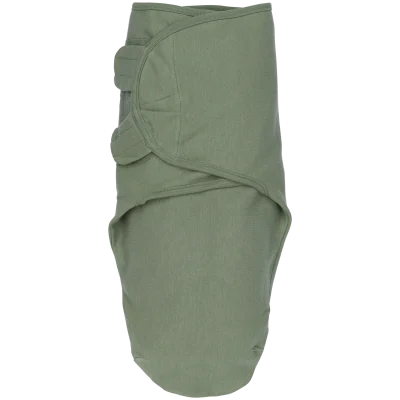
A good swaddle for the early weeks
Newborns have a startle reflex that wakes them up just as they are drifting off. A proper swaddle keeps their arms snug and stops those little jerks from disrupting what would otherwise have been a decent stretch of sleep. Look for one that is easy to use with fumbling fingers in the dark and that allows for hip-healthy movement.

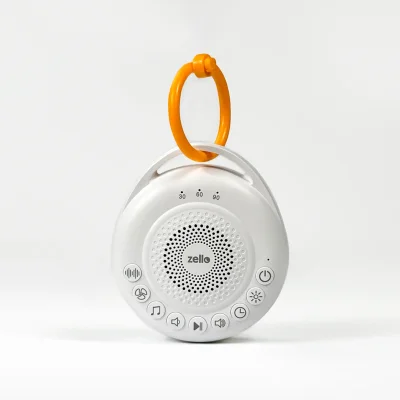
White noise (the secret weapon)
Your baby spent nine months listening to the whooshing of your blood flow, your heartbeat, and your digestive system. Silence is actually quite unsettling for them. A portable white noise machine recreates that comforting background hum and can be the difference between a 20-minute nap and a two-hour one.
Bonus: it helps you sleep too. The constant sound masks those tiny baby grunts and snuffles that would otherwise have you bolt upright every four minutes.

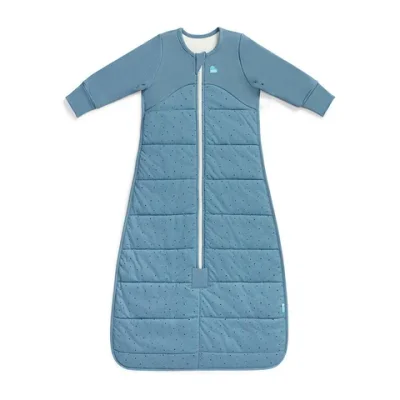
A sleep bag for when swaddling ends
Once your baby outgrows the swaddle (usually around 3-4 months, when they start rolling), a sleep bag takes over. It keeps them at the right temperature without any loose blankets, which means one less thing to worry about at night and fewer wake-ups from kicking covers off.
Choose the right TOG for the season and you will spend far less time wondering whether your baby is too hot or too cold in the small hours. 🌙
A monitor that lets you actually relax
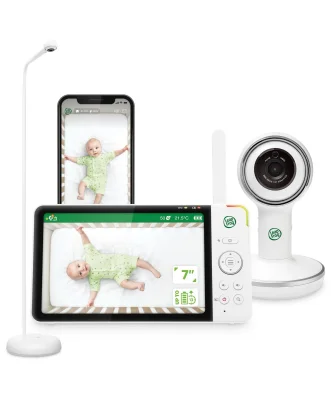
Part of the reason new parents sleep so badly is the constant checking. Is the baby breathing? Are they too warm? Have they rolled? A decent baby monitor takes some of that anxiety away and lets you rest in another room without tiptoeing in every twenty minutes.

When Tired Becomes Something More
There is a difference between normal new-parent exhaustion and something that needs proper support. If you are feeling persistently hopeless, unable to bond with your baby, experiencing intrusive thoughts, or the tiredness is not improving even when you do get a chance to sleep, please talk to your GP or health visitor.
Postnatal depression and anxiety are incredibly common, affecting roughly 1 in 5 new parents, and tiredness can mask or worsen the symptoms. There is no badge of honour for suffering in silence.
The Bit Where It Gets Better
Right now, it might feel like you will never sleep a full night again. You will. Slowly, imperfectly, with a few regressions thrown in for good measure, but you will.
The 6-week mark often brings the first slightly longer stretch. By 12 weeks, many babies are doing one longer block at night. And somewhere around 6 months, a lot of families find they are sleeping in something that resembles a pattern.
Until then, be kind to yourself. Eat when you can, sleep when you can, and remember that every exhausted parent who has ever lived has made it through this phase. You will too.
If you are building your baby registry and want to add any of the sleep essentials mentioned above, your BubsNest wishlist makes it easy for friends and family to help with the things that will actually make a difference.
Ready to Create Your Baby Registry?
Start your free baby registry today and share it with friends and family.
Get Started Free