The Car-Free Wishlist: Baby Gear for Families Who Walk, Bus and Train Everywhere
No car, no problem. A wishlist built around buses, trains, pavements and rainy school runs, with the gear that makes life on foot with a baby genuinely easy.
Here is a myth that does the rounds at every antenatal class: "You'll need to get a car once the baby comes."
Plenty of families never do. They walk to the GP, hop on the bus to baby group and take the train to see Grandma, and they manage brilliantly. 🚶
The trick is not willpower. It is a wishlist built for the way you actually move. Most baby registry advice quietly assumes there is a boot to throw everything into, so if you are car-free, it is worth writing your list with a slightly different brief.
Here is how we would build it, journey by journey.
On Foot: Your Pushchair Is Your Car Now
When you walk everywhere, the pushchair is not an accessory. It is your vehicle, your shopping trolley and, on a good day, your baby's bedroom.
That changes what matters. A pushchair that looks gorgeous in the showroom but rattles over cracked pavements will drive you mad by week three. When you are comparing options, ask:
- How does it handle kerbs? Bigger wheels and decent suspension make dropped kerbs and cobbles far less jolty.
- How big is the basket? You will be carrying the weekly shop in it. Really.
- Can it lie flat? Newborns need a lie-flat position, and a long walk is often when they nap best.
Many car-free families end up with two set-ups over time: a sturdier pram for the early months of long walks, then a lighter compact pushchair once their baby can sit up. If that sounds like you, the compact one is a lovely thing to add to your wishlist for later, so it lands just when you need it.
Dressing the pushchair for British weather
Walking families do not get to wait out the rain in a warm car. You are out in it, so your pushchair needs a proper wardrobe.
A rain cover is non-negotiable, and many pushchairs include one, so check before you add a separate one. A footmuff is the bit people forget. It zips around your baby like a cosy sleeping bag, so you are not wrestling with blankets that slip off at every bus stop.
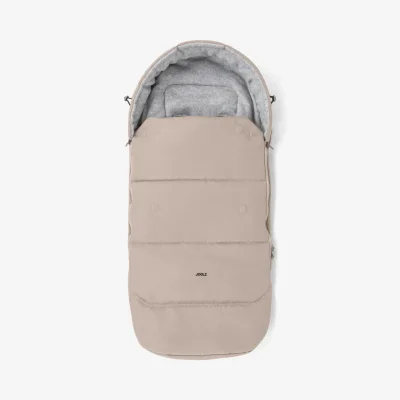


Look for a universal fit if you might swap pushchairs later, and pick one you can unzip partly when you step inside a warm shop or café. Babies overheat quickly indoors, so layers you can peel back are your friend.
On the Bus: Fold Fast, Stay Calm
Buses are where car-free parents earn their stripes.
Most buses have a space for pushchairs, but it is shared with wheelchair users, who have priority. Every so often you will be asked to fold your pushchair. It is nobody's fault, and it is far less stressful if folding takes three seconds rather than three minutes.
So when you are browsing pushchairs, test the fold with one hand. Imagine you are holding a wriggly baby in the other arm, with a bag over your shoulder and a queue behind you. Does it still feel easy?
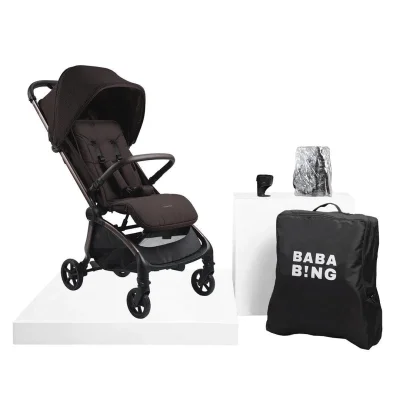

An auto-fold compact like this one is a brilliant second pushchair for bus-heavy days. It folds itself down, it is light enough to lift onto a rack, and it is small enough to tuck between your knees on a busy route.
Top tip: practise the fold at home before you ever need it on a bus. Your future self will thank you.
On the Train: Hands Free, Head Clear
Trains bring their own fun. Steps between the platform and carriage, stations without lifts, narrow aisles and luggage racks at head height.
This is where a baby carrier truly shines. With your baby snuggled on your chest, you can glide up stairs, squeeze down the aisle and have both hands free for tickets and coffee. Lots of car-free parents say their carrier was the single most-used thing on their whole list. ☕
For longer trips and day outings, a structured carrier with good hip and shoulder padding makes a real difference. It spreads the weight, so you can still enjoy the walk at the other end instead of counting the minutes until you can sit down.
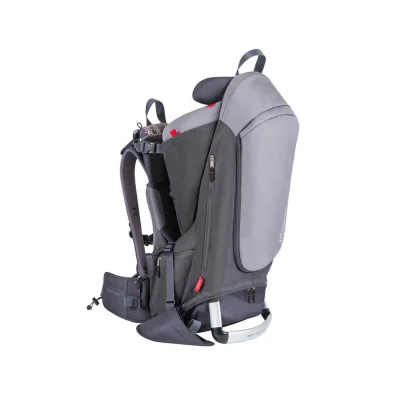
Always check that any carrier you use keeps your baby's face visible and close enough to kiss, with their chin off their chest. If you are not sure about the fit, a local sling library or your health visitor can help you get it right.
Many stations also offer free help with step-free routes if you book it ahead. It is well worth looking up before a big journey with a pushchair.
The bag question
When there is no boot, everything you bring goes on your body or on the pushchair. That makes your changing bag a much bigger decision than people expect.
A backpack-style changing bag is the car-free parent's best friend. It keeps both hands free for the carrier, the pushchair or a toddler's hand, and it does not slide off your shoulder every time you lean over.
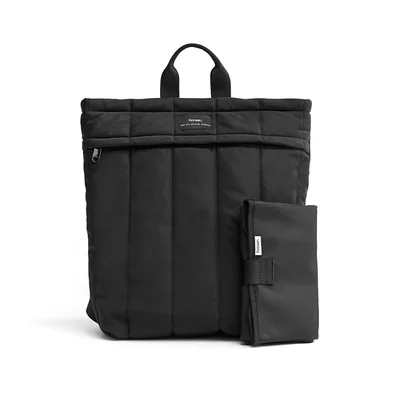
Look for one with straps that clip onto the pushchair handle, a wipe-clean changing mat tucked inside and a pocket you can reach without taking the whole thing off. Baby change facilities on trains and in stations vary wildly, so a mat of your own is always handy.
In Taxis and Borrowed Cars: The Car Seat Question
Here is the one that trips people up. "Do we even need a car seat if we do not have a car?"
Most car-free families find they do, at least for the first year. You will need one to bring your baby home if anyone drives you, and it comes in handy for taxis, car-club hires or lifts from friends and family. The rules for licensed taxis can be different, but a correctly fitted car seat is always the safest way for a baby to travel in any car.
An infant carrier car seat that clicks onto your pushchair frame with adapters can be a clever choice here. It makes door-to-door journeys smoother, though it is worth keeping car seat stints short and moving your baby out once you arrive. If you are unsure about fitting a seat in an unfamiliar car, many retailers offer fitting checks.
What to Leave Off a Car-Free Wishlist
A few things that look essential on standard checklists just do not earn their space when you walk everywhere:
- Bulky travel systems with heavy frames that need two hands and a boot to fold.
- Car organisers, window shades and back-seat mirrors, unless a family member will be driving you often.
- Huge changing bags with shoulder-only straps, which will slide off your shoulder all day long.
- Multiple pushchairs straight away. Start with one, live with it for a few months, then add a compact one once you know your routes.
Building Your Car-Free List
The best car-free wishlist is not longer than anyone else's. It is just more honest about how you get around.
Think about your real weekly journeys. The walk to the shops. The bus to baby group. The train to see family. Then ask for the gear that makes each one a little bit easier.
Ready to start? You can build your wishlist on BubsNest and share it with friends and family, so they know exactly what will help you get out and about. 💛
Ready to Create Your Baby Registry?
Start your free baby registry today and share it with friends and family.
Get Started Free