Choosing Your Nappy System: Disposable, Eco, or Reusable - What Actually Matters
The average baby goes through thousands of nappy changes before potty training. Here is an honest look at disposable, eco, and reusable nappies to help you pick the system that works for your family.
Around 4,000 to 6,000 nappy changes. That is roughly what stands between you and potty training. It sounds enormous because it is enormous, and it means the nappy system you choose is not just a one-off purchase. It is a decision you will live with multiple times a day for the next two and a half years.
The good news? There is no single right answer. The best nappy system is the one that works for your family, your budget, and your washing machine's stamina. Here is an honest look at the three main options so you can pick yours without the guilt trip. 👶
Standard Disposables: The Familiar Choice
Most parents start here, and there is absolutely nothing wrong with that. Standard disposables are convenient, widely available, and effective at keeping your baby dry for hours at a stretch.
The big supermarket own-brand ranges and household names have spent decades perfecting absorbency. You can grab a pack on autopilot, chuck the used one in the bin, and move on with your day. No soaking. No washing. No drying rack covered in tiny nappy inserts.
The trade-off is environmental. A single baby in disposables generates roughly 500kg of landfill waste before potty training. That number is hard to ignore, even if everything else about disposables is easy.
Cost-wise, you are looking at roughly £40 to £60 per month depending on the brand, which adds up to around £1,000 to £1,500 over the nappy years. Not ruinous, but not nothing either.
Eco Disposables: The Middle Ground
If the landfill stat made you wince but the thought of washing nappies makes you tired, eco disposables might be your sweet spot. These are single-use nappies made from more sustainable materials, typically plant-based fibres like bamboo, with fewer chemicals and less plastic.
Brands like PureBorn, Kit & Kin, and Mama Bamboo offer nappies that are chlorine-free, hypoallergenic, and often biodegradable under the right conditions. They feel softer than many standard disposables, and parents with babies who have sensitive skin often notice the difference.
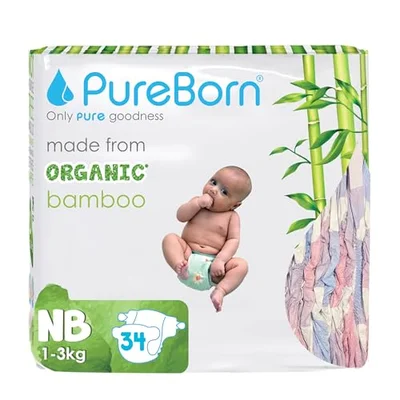

The honest caveat? "Biodegradable" does not mean they vanish in your wheelie bin. Most eco nappies still need industrial composting facilities to break down properly, and those are not available everywhere yet. You are reducing plastic, not eliminating waste entirely.
They also cost more, typically 20 to 40 percent more per nappy than a standard disposable. Over two and a half years, that gap adds up. But if budget allows and reducing your environmental footprint matters to you, they are a genuine step in the right direction.
Reusable Nappies: The Long Game
Reusable nappies have come a long way from the terry squares and safety pins your parents might remember. Modern cloth nappies come in all-in-ones, pocket nappies, and two-part systems with poppers and elasticated legs that look and fit a lot like disposables.
The upfront cost is higher. A full set of around 20 to 25 reusable nappies will set you back between £200 and £500, depending on the brand. But once you have them, your ongoing costs drop to just water, electricity, and detergent. Most estimates put the total cost at around £500 to £700 over the nappy years, roughly half what you would spend on disposables.
Some local authorities also offer nappy library schemes where you can try different brands before committing. It is worth checking what is available in your area before you spend a fortune on a system that does not suit you.
The real question is whether you have the time and energy. Reusable nappies mean an extra load of washing every one to two days. That sounds manageable before the baby arrives. At three in the morning with a colicky newborn, it can feel like a lot. Be honest with yourself about what you can sustain.
A common middle-ground approach? Reusables at home during the day, disposables overnight and when you are out. No rules say you have to pick one system and stick to it rigidly. Mix and match based on what your day looks like. 🌱
The Stuff You Need Regardless
Whichever nappy system you choose, a few essentials stay the same across the board.
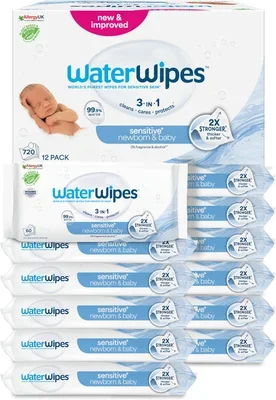
Wipes. You will get through more wipes than you can possibly imagine. Water-based wipes or cotton wool and warm water are gentlest for newborn skin, and many parents stick with them long term.
Barrier cream. A thin layer at every change helps prevent nappy rash before it starts. You do not need to spend a fortune here. A simple barrier ointment does the job brilliantly, and one tube lasts weeks.


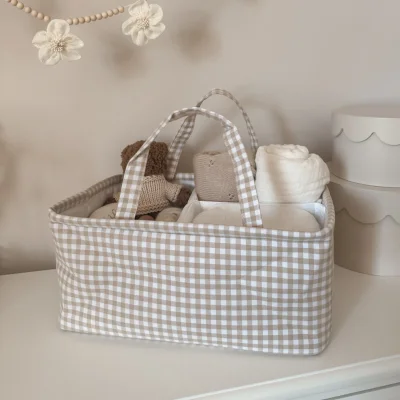
A nappy caddy. Keeping everything in one portable basket (nappies, wipes, cream, spare vest, nappy bags) means you are not hunting for supplies mid-change. Especially useful if you change nappies in different rooms, which you absolutely will.

So Which One Should You Actually Pick?
There is a reason this question starts arguments in parenting groups. Everyone has an opinion, and most of them come with a side order of judgement. Here is the version without the guilt.
If convenience is your top priority and you want to keep things simple, standard disposables will do the job. No shame in that.
If you want to reduce your environmental impact without overhauling your routine, eco disposables are a solid compromise. They are not perfect, but they are better.
If you have the time, the washing machine capacity, and the willingness to stick with it, reusable nappies save real money over time and produce significantly less waste.
And if you want to do a bit of everything? That works too. Plenty of parents use reusables at home and disposables on the go. The nappy police do not exist, and there is no prize for ideological purity.
Whatever you decide, add your chosen nappies and supplies to your BubsNest registry so friends and family can chip in. Nappies might not be the most glamorous gift, but they are the one every parent actually needs.
Ready to Create Your Baby Registry?
Start your free baby registry today and share it with friends and family.
Get Started Free