Dummies and Soothers: When to Offer One, When to Stop, and Everything In Between
The honest, no-judgment guide to using a dummy, from choosing the right shape to knowing when it is time to say goodbye.
Few baby items attract as many opinions as the humble dummy. Your mother-in-law has a theory. Your best friend has a rule. That stranger in the supermarket definitely has a look. And somewhere in the middle of all those opinions, you are standing in the newborn aisle wondering whether popping a soother in your baby's mouth makes you a genius or a terrible parent.
Spoiler: it makes you neither. It just makes you someone who owns a dummy. And that is absolutely fine.
This guide is here to cut through the noise. We are not going to tell you that dummies are essential, because they are not. We are also not going to tell you they are bad, because the evidence says otherwise. What we will do is walk you through the when, the how, the which, and the eventually-letting-go, so you can make the call that works for your baby and your sanity.
What a Dummy Actually Does
Babies are born with a powerful sucking reflex. It is one of their earliest survival skills, designed to help them feed. But sucking also does something else: it soothes. Non-nutritive sucking, the kind where nothing comes out, activates calming pathways in your baby's brain. Heart rate drops. Cortisol levels dip. The world becomes a slightly less overwhelming place.
That is essentially what a dummy offers. A dedicated, purpose-built thing to suck on that is not your finger, your nipple, or the corner of a muslin cloth. It is not a shortcut or a cheat. It is a tool, and like all tools, it works brilliantly when used well.
When to Introduce a Dummy
Timing matters, especially if you are breastfeeding. Most guidelines suggest waiting until breastfeeding is well established before introducing a soother, typically around four to six weeks. This gives your baby time to learn the difference between the breast and everything else, and protects your milk supply during those crucial early days when frequent feeding tells your body how much to produce.
If you are formula feeding, there is no need to wait. You can offer a dummy from day one if it feels right.
And here is a reassuring fact: research consistently shows that dummy use during sleep may reduce the risk of sudden infant death syndrome (SIDS). You do not need to force it, and you absolutely should not re-insert it once your baby falls asleep and spits it out, but offering one at the start of naps and bedtime is a habit worth considering. 🍼
How to Choose the Right Shape
Walk into any baby shop and you will find more dummy shapes than you ever imagined existed. Here is what actually matters.
Cherry (round) nipple: The classic. A round, ball-shaped teat that mimics the shape of a natural nipple during feeding. Many babies take to these instinctively, but they can be trickier to keep in smaller mouths.
Orthodontic (flat-bottomed) nipple: Designed to sit flatter against the palate. These are marketed as being better for dental development, and some dentists do prefer them, though the evidence is not overwhelming either way for short-term use.
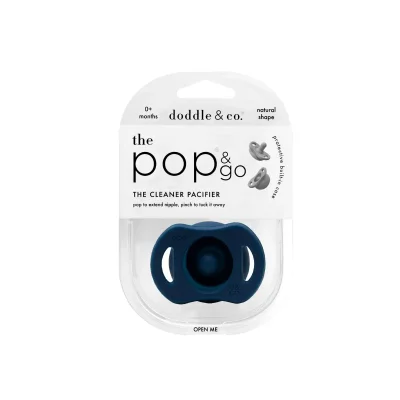
Symmetrical nipple: Flat on both sides, so there is no wrong way to put it in. Brilliant for babies who like to flip their dummy around in their mouth. Also great for sleep, because it stays comfortable no matter how your baby rolls.
The honest truth? The best dummy is the one your baby will accept. Some babies are wildly picky and will reject four brands before accepting the fifth. Others will take anything you offer. Buy a couple of different shapes in newborn size and see what sticks.

Material Matters
Dummies come in two main materials: silicone and latex.
Silicone is firm, clear, odourless, and easy to clean. It does not absorb flavours or smells, lasts longer, and handles sterilising well. Most modern dummies are silicone, and most parents find it the easier option.
Latex (sometimes called rubber or natural rubber) is softer and more flexible. Some babies prefer the give of latex, particularly younger newborns. The downside is that it wears out faster, can absorb smells, and may trigger reactions in babies with latex sensitivities.
Whichever material you choose, check the dummy regularly for cracks, tears, or stickiness. A damaged teat is a choking hazard and should be replaced immediately.
Keeping Dummies Clean (Without Losing Your Mind)
Your baby's dummy will end up on the floor approximately seven hundred times. This is not a parenting failure. This is physics.
For the first few months, when your baby's immune system is still finding its feet, sterilise dummies the same way you sterilise bottles. A quick blast in a steam steriliser, a dip in boiling water for five minutes, or a cold-water sterilising solution all work perfectly well.
As your baby gets older and starts putting everything from wooden blocks to your phone in their mouth, the sterilising rules relax naturally. A thorough rinse under hot running water is fine for an older baby's dropped dummy. What you should never do is "clean" it by popping it in your own mouth first. Your mouth contains bacteria that your baby does not need, including the kind that causes tooth decay.
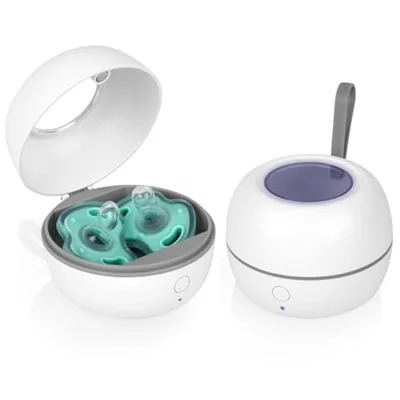
For days out, a portable steriliser or a dedicated dummy case keeps things hygienic without requiring you to carry a full sterilising kit in your changing bag. 💫

Dummy Dos and Don'ts
Do offer it at sleep times. The SIDS-reduction benefit is well documented.
Do use a dummy clip to attach it to your baby's clothing during the day. This saves your sanity, your floors, and your baby's patience. Just make sure the clip cord is short enough that it cannot wrap around their neck.
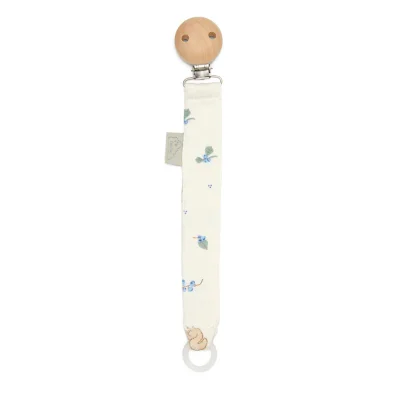

Do have spares. A minimum of three in rotation means you are never frantically searching the house at 2am while your baby screams. Some parents keep one in the cot, one in the changing bag, and one attached to the pram. Strategic placement is everything.
Don't dip the dummy in anything sweet. No honey (dangerous for babies under one), no sugar water, no jam. The dummy does its job through sucking alone.
Don't force it. If your baby consistently pushes it out or shows no interest, let it go. Not every baby wants one, and that is perfectly normal.
Don't use a dummy as a first response every time your baby cries. Crying is communication. Check hunger, check the nappy, check temperature, check comfort. The dummy is one tool in the kit, not the only tool.
Will a Dummy Ruin Their Teeth?
This is the big worry, and here is the short answer: probably not, if you stop before the age of four.
Prolonged dummy use beyond the toddler years can affect the way teeth come through and the shape of the palate. Dentists generally recommend weaning off by age two to three, well before permanent teeth start to arrive. Used within that window, the dental risks are minimal.
If your eight-month-old is happily sucking a dummy, there is no need to panic about orthodontic bills. You have plenty of time.
When to Say Goodbye (and How to Make It Stick)
Most experts suggest aiming to drop the dummy somewhere between two and four years old. Before two, you can often just take it away gradually and your child will barely notice. After three, you may need a slightly more creative strategy.
Here are some approaches that actually work:
- The Dummy Fairy: Just like the Tooth Fairy, the Dummy Fairy visits in the night to collect dummies and leave a small gift. Works beautifully for children with a sense of magic and ritual.
- Cold turkey: Pick a calm week (not during a house move, a new sibling arrival, or potty training) and simply stop. Expect a tough three to four nights, then it usually settles.
- Gradual reduction: Limit dummy use to naps and bedtime first, then naps only, then nothing. This is the gentlest route and works well for children who use the dummy throughout the day.
- The "give it to a baby" method: If a new baby arrives in the family or a friend has one, some toddlers respond well to the idea that they are big enough to give their dummies to a baby who needs them more.
Whichever route you choose, consistency is everything. If you take it away and then give it back after twenty minutes of crying, you have taught your child that crying for twenty minutes gets the dummy back. Commit and hold the line, gently but firmly.
What If They Prefer Their Thumb?
Some parents avoid dummies specifically because they worry about creating a habit that is hard to break. But here is the irony: thumb sucking is harder to stop because you cannot confiscate a thumb. At least with a dummy, you control the supply.
If your baby has already found their thumb and has no interest in a dummy, that is fine too. The same dental guidelines apply, and most children naturally stop thumb sucking before it becomes an issue.
The Bottom Line
A dummy is not a parenting statement. It is a small piece of silicone or latex that helps your baby self-soothe, and there is good evidence that it offers genuine safety benefits during sleep. Used sensibly and stopped in good time, it will not ruin your baby's teeth, speech, or attachment to you.
If it helps, use it. If your baby doesn't want one, skip it. And if someone gives you a look in the supermarket, smile and move on. You are doing brilliantly.
Building your list of newborn essentials? Start a wishlist at BubsNest and share it with friends and family, so everyone knows exactly what you need.
Ready to Create Your Baby Registry?
Start your free baby registry today and share it with friends and family.
Get Started Free