Expressing and Pumping Breast Milk: Your Honest, No-Pressure Guide
Everything you need to know about expressing breast milk, from choosing a pump to storing your stash, without the overwhelm.
There is a very specific moment, usually around week two, when you find yourself holding a plastic funnel to your chest at midnight wondering how on earth this became your life. The breast pump sits on the bedside table looking vaguely medical, your partner is fast asleep, and you are Googling "is it normal to only get 20ml" with one hand. Deep breath. You are doing fine.
Expressing breast milk is one of those topics that gets oddly little airtime considering how many parents end up doing it. Whether you are heading back to work, want your partner to share the feeds, need to relieve engorgement, or simply want the freedom to leave the house without a ticking clock on your chest, a pump can be genuinely life-changing. But it comes with a learning curve nobody properly warns you about.
This is the straightforward, no-guilt guide to getting started. 🍼
Why Express in the First Place?
Expressing is not just for working mums. That is the biggest misconception, and it puts a lot of parents off even considering it. Here are some of the most common reasons people start pumping.
- Sharing feeds with a partner or family member. Particularly useful for overnight shifts so you can actually sleep.
- Building a small freezer stash for emergencies, date nights, or the inevitable moment you forget to defrost dinner and need to dash to the shop.
- Relieving engorgement when your supply outpaces your baby's appetite (hello, early weeks).
- Maintaining supply if your baby is in NICU, poorly, or struggling with latch.
- Returning to work and wanting to continue giving breast milk.
- Mixed feeding alongside formula, on your own terms.
There is no wrong reason. If having some expressed milk in the fridge would make your day easier, that is reason enough.
When to Start Expressing
Timing matters more than you might think. The general advice is to wait until breastfeeding is well established before introducing a pump, typically around four to six weeks. This gives your body time to calibrate supply and your baby time to perfect their latch.
That said, there are exceptions. If your baby is premature or unable to feed directly, you may need to start expressing from day one to stimulate supply. If you are dealing with severe engorgement, hand expressing or a short pump session can bring relief without disrupting things. And if you are exclusively pumping from the start (which is absolutely valid and more common than people admit), the timeline is different again.
The key thing? Do not panic about "the right time." Chat with your midwife or health visitor if you are unsure. They have seen every scenario going.
Choosing Your Pump: Manual, Electric, or Wearable
This is where it gets slightly overwhelming, because the options range from a simple squeeze handle to something that looks like it belongs in a science lab. Here is the honest breakdown.
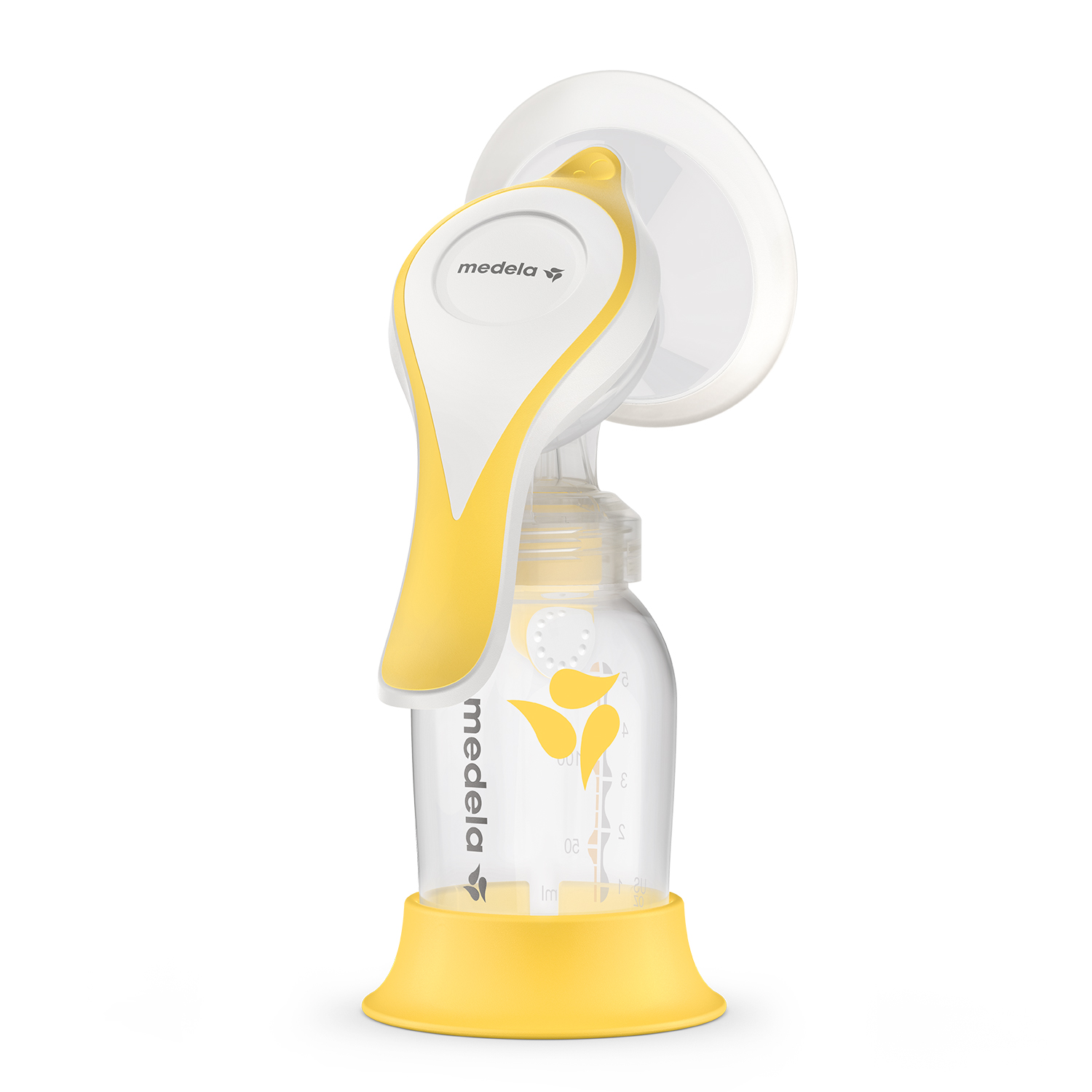
Manual pumps
These are small, quiet, and affordable. You squeeze a handle to create suction, and they work surprisingly well for occasional expressing or relieving engorgement. They are also brilliant as a travel backup. The downside is that your hand will get tired if you are doing full pumping sessions multiple times a day.

Electric pumps
Single or double electric pumps do the work for you. You attach the flanges, press a button, and let the motor handle the suction rhythm. Double pumps express from both sides at once, cutting your session time roughly in half. They are the workhorse choice if you are pumping regularly, say before returning to work or building a stash.
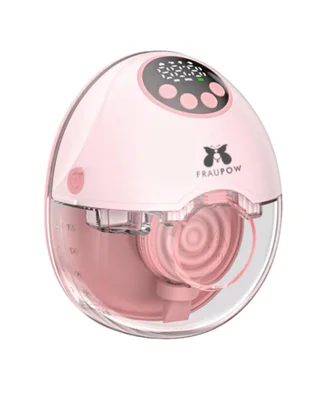
Wearable pumps
The newest category, and genuinely a game-changer for some parents. These slip inside your bra and let you pump hands-free while you walk around, make lunch, or pretend to watch telly while actually napping. They tend to have slightly smaller capacity and may not empty as efficiently as a traditional electric pump, but the freedom they offer is hard to beat.



A lot of parents end up with a combination. An electric pump at home for main sessions, plus a wearable or manual pump for when they are out and about. There is no single "best" pump, only the one that fits your routine.
Getting a Good Let-Down (Yes, It Takes Practice)
The let-down reflex is what makes the milk flow, and it is annoyingly temperamental when you are first starting out. Your body is used to releasing milk in response to your baby, not a plastic device. A few things that genuinely help.
- Warmth. A warm flannel on your chest before you start can encourage let-down.
- Photos or videos of your baby. It sounds ridiculous, but looking at your baby (or even smelling a worn sleepsuit) triggers the hormonal response.
- Relaxation. Easier said than done at 2am, but tension works against you. Try slow breathing or a podcast you actually enjoy.
- Massage. Gently massaging your breast before and during pumping helps move the milk along.
- Consistency. Your body adapts. The first few sessions might produce very little, but regular pumping tells your body to make more.
If you are only getting a trickle at first, that is completely normal. It does not mean your supply is low. It means the pump is new and your body is still figuring out the arrangement.
How Much Should You Be Getting?
Here is where comparison becomes the thief of joy. Ignore anyone who casually mentions their 200ml haul from a single session. Output varies hugely depending on the time of day, how recently your baby fed, your hydration, and honestly just the mood your hormones are in.
A rough guide for reference: if you are pumping between feeds (not replacing a feed), 30 to 90ml per session is perfectly normal. Morning sessions tend to yield more because prolactin levels are highest overnight. And a pump will almost never extract as much as a baby can, so do not use output as a measure of your supply.
The freezer does not need to look like a dairy aisle. Even a small stash of a few bags gives you flexibility. That is the goal, not an industrial operation.
Storing Your Milk: The Rules That Actually Matter
Breast milk storage has clear guidelines, and they are simpler than most people think.
- Room temperature (up to 25°C): safe for up to 4 hours.
- Fridge (4°C or below): safe for up to 4 days. Store at the back, not the door.
- Freezer (-18°C or below): safe for up to 6 months. It is fine for 12 months, but the quality is best within 6.
Always label bags or bottles with the date. Use the oldest milk first. And never refreeze milk once it has been thawed, though you can keep thawed milk in the fridge for up to 24 hours.

Pre-sterilised storage bags are the most space-efficient option for freezing. Lay them flat to freeze, then stack them like little milk bricks. Satisfying and practical. 😊
Pumping at Work: Making It Actually Doable
If you are heading back to work and want to keep expressing, your employer has a legal obligation to provide a suitable, private space (not the toilets) and reasonable break time. That said, "suitable" is open to interpretation, so it is worth having the conversation early.
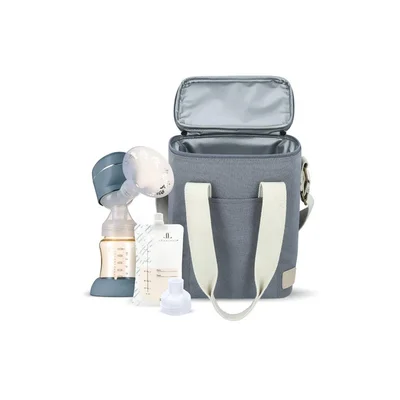
A portable pumping kit makes the logistics significantly easier. Look for something with a cool bag, ice packs, and enough bottles or bags for the day. Label everything clearly and keep a set of spare flanges and membranes at work, because the morning you forget them will be the morning your let-down decides to cooperate beautifully.
Some parents find that pumping at roughly the same times their baby would normally feed helps maintain supply and keeps things predictable. Others fit sessions around meetings and just do their best. Both approaches work. Flexibility is the only real strategy.
The Bits Nobody Mentions
A few honest truths that would have been nice to hear earlier.
Flange size matters. The plastic funnel piece (the flange) comes in different sizes. If it hurts, pinches, or leaves red marks, you probably need a different size. Most pumps come with a standard 24mm flange, but many people need smaller. Measure or ask a lactation consultant. This one change can transform your entire pumping experience.
Cleaning is relentless. Pump parts need washing after every use and sterilising at least once a day. The "fridge hack" (storing pump parts in a sealed bag in the fridge between sessions rather than washing each time) is widely used and endorsed by some professionals, but do your own research and decide what you are comfortable with.
It can feel isolating. Sitting attached to a pump while your baby sleeps or your partner holds them is a strange kind of loneliness. Feeling emotional about it, resentful even, does not make you ungrateful. It makes you a human being doing something demanding.
You can stop whenever you want. Seriously. If expressing is making you miserable, you have full permission to drop a session, switch to formula, or stop altogether. Your mental health is not a secondary consideration. It is the whole point.
Building Your Expressing Kit
You do not need everything from the start. Here is what is genuinely useful.
- A pump that suits your routine (manual, electric, or wearable)
- Spare flanges and valves (they wear out and get lost)
- Breast milk storage bags or bottles
- A hands-free pumping bra if you are using a traditional electric pump
- Breast pads for leaks (they will happen)
- A cool bag with ice packs for transporting milk
- A bottle brush and steriliser or sterilising solution
Start with the basics and add as you figure out what your routine actually looks like. Half the stuff you think you need, you will not use. The other half you will wonder how you ever managed without.
You Are Doing Brilliantly
Expressing is not the "easy option" some people make it out to be. It takes time, patience, and a frankly unreasonable amount of washing up. But it also gives you flexibility that straight breastfeeding sometimes does not, and every single drop you express is doing your baby good.
Whether you pump once a week or eight times a day, whether your freezer stash is three bags or thirty, you are doing an incredible thing. And on the days it feels like too much, remember: fed is best, however that looks for your family.
Ready to start building your baby wishlist? Set up your BubsNest registry and add the pumping essentials that work for you.
Ready to Create Your Baby Registry?
Start your free baby registry today and share it with friends and family.
Get Started Free