First Shoes: When Your Baby Actually Needs Them (And How to Choose)
Your baby does not need shoes until they are walking outdoors confidently, and barefoot is genuinely better until then. Here is when it is time, what to look for, and the best first shoes for summer.
Those tiny trainers your mother-in-law bought at the baby shower? The miniature ones with the pristine white laces? They are absolutely adorable. They are also completely unnecessary, at least for now.
This is going to upset some grandparents. But here is the truth about baby shoes: your little one does not need them until they are walking confidently outdoors. And depending on your baby, that might not happen until well past their first birthday. Everything before that point? Barefoot is genuinely better. 🦶
Why Barefoot Is Actually Best
It feels counterintuitive, especially when you see all those gorgeous little shoes in every baby shop window. But feet are extraordinary things, and babies need to use theirs freely to develop properly.
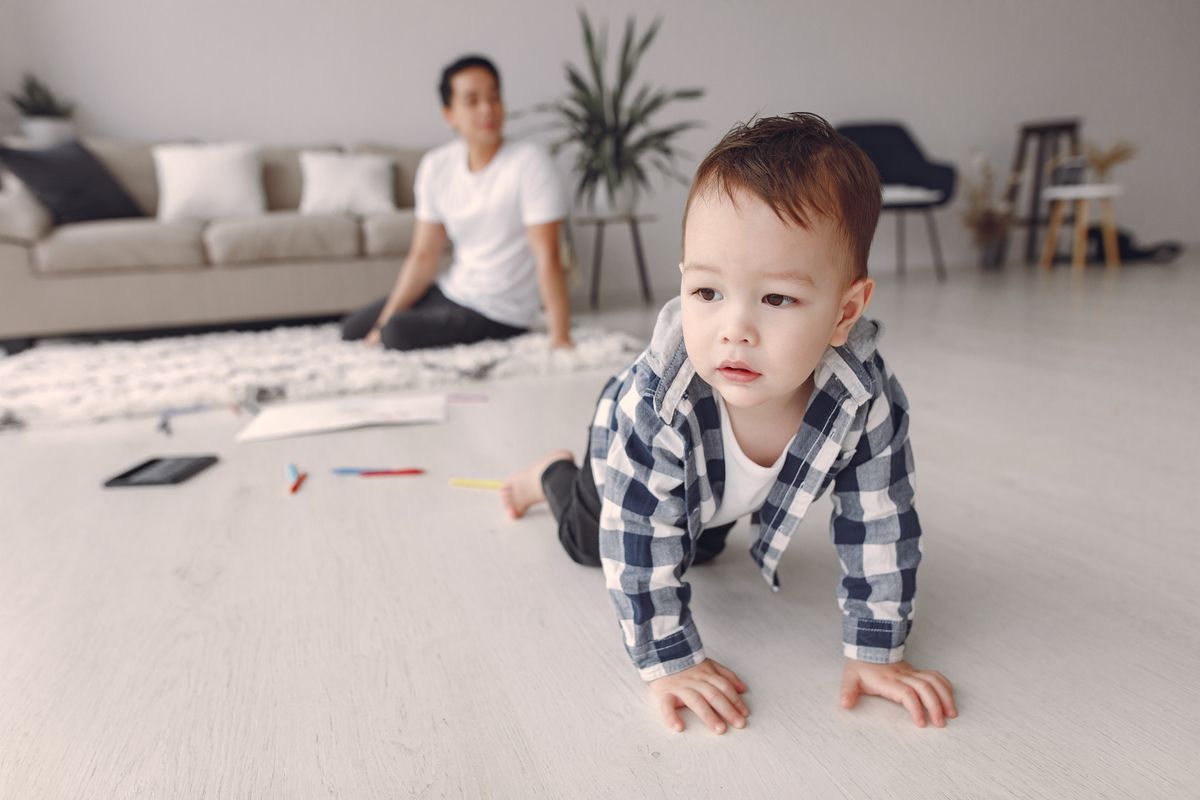
When your baby is learning to stand, cruise along furniture, and eventually take those first wobbly steps, their feet are doing incredibly important work. Toes grip the floor for balance. The soles send sensory feedback to the brain about what surface they are on. Muscles and ligaments strengthen with every step. Shoes, however cute, muffle all of that.
Podiatrists and physiotherapists are pretty unanimous on this one. Indoors, barefoot or in non-slip socks is ideal for babies learning to walk. Those adorable miniature trainers? Save them for the photos. Your baby's feet will thank you.
So When Do They Actually Need Shoes?
The magic moment is when your baby is walking confidently outdoors. Not cruising along the sofa. Not taking three steps and face-planting into a cushion. Walking properly, independently, outside, where the ground is cold, rough, or covered in things you would rather they did not step on.
For most babies, this happens somewhere between 10 and 18 months, but there is enormous variation and absolutely no rush. Some babies walk at nine months. Some prefer bum-shuffling until they are nearly two. Both are completely normal, and neither needs shoes any earlier than the other.
The only exception? If it is freezing outside and you need to keep their feet warm in the pushchair, a pair of soft booties will do the job without restricting movement.
What to Look For in a First Shoe
When the time does come, resist the urge to grab the cutest pair on the shelf. First shoes need to be functional above all else. Here is what actually matters:
- Flexible soles. You should be able to bend the sole easily with your hands. If it feels rigid like an adult shoe, put it back. Little feet need to flex and grip naturally.
- Lightweight. Heavy shoes throw off a new walker's balance. The lighter, the better.
- Room to grow. About a thumb's width of space beyond the longest toe. Too tight restricts growth. Too loose causes tripping.
- Secure fastenings. Velcro, buckles, or a good elastic fit. Laces look sweet but they come undone constantly, and your toddler will have the shoe off before you reach the end of the road.
- Breathable materials. Leather or canvas over plastic. Small feet sweat surprisingly much and need airflow.
What to Avoid
This bit is actually more important than the "what to buy" list, because there is a lot of genuinely unhelpful footwear out there marketed at new walkers.
Hard-soled shoes. Your toddler does not need ankle support or structured soles. That is a myth left over from decades-old advice that has since been thoroughly debunked. Flat, flexible, close to barefoot is the goal.
Hand-me-down shoes. This one stings when you are trying to save money, but shoes mould to the wearer's feet over time. Someone else's worn-in shoes will push your child's feet into the wrong shape. Clothes, absolutely hand down. Shoes, best to buy fresh.
Fashion over function. Those miniature Doc Martens are objectively hilarious. They are also stiff, heavy, and not what a wobbly new walker needs. There will be plenty of time for fashion shoes later. First shoes should prioritise feet, not photos.
Getting the Fit Right
Measuring a toddler's feet is an experience. They will curl their toes, try to eat the measuring tool, and refuse to stand still for more than two seconds. Welcome to parenthood. 😅
If you can get to a shop with trained fitters, brilliant. Many independent children's shoe shops still offer proper measuring, and it is worth the trip for that first pair. They will check both length and width, because yes, baby feet come in different widths just like adult ones.
If you are buying online, most brands include printable measuring guides. Pop the guide on the floor, stand your toddler on it (bribery with a rice cake works wonders), and measure both feet. Go with the bigger one, because they are almost never exactly the same size.
And here is the bit that catches people off guard: toddler feet grow fast. Really fast. You will need to re-measure every six to eight weeks in the first year of walking. That gorgeous pair you just bought? They will last two, maybe three months if you are lucky. It is one of the less advertised costs of parenthood.
First Shoes for Summer
If your little one has started walking in the warmer months, you are actually in luck. Summer first shoes tend to be lighter, more flexible, and easier to get on squirmy feet than winter boots.
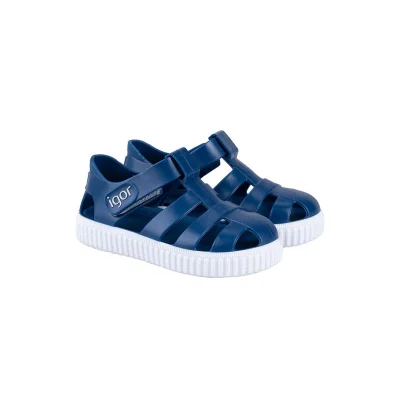
Sandals are brilliant for first walkers in summer. Look for closed-toe options if your toddler is still a bit unsteady, as they protect those little toes from pavements and playground edges. Open-toe styles work well once they are more confident on their feet.


For park days, paddling pools, and that inevitable puddle-stomping phase, water-friendly sandals earn their keep fast. Something that can handle getting soaked and dries quickly will save you a lot of damp-shoe-by-the-radiator situations.
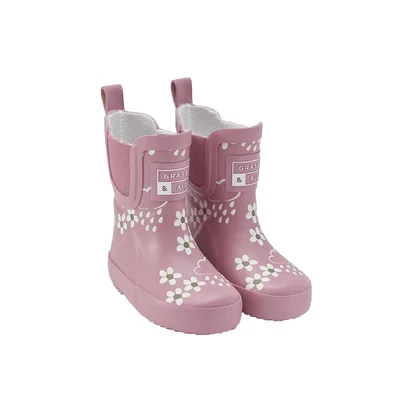
And for those muddier adventures, park walks, forest trails, or just the extremely soggy bit of the garden, a lightweight pair of little boots with a flexible sole means they can explore without you worrying about every stick and stone.
The Bottom Line
First shoes are a milestone, but not because of the shoe itself. It is because your baby is walking. They are off, exploring, getting into things they should not be getting into, and leaving you in a permanent state of low-level panic and enormous pride at the same time.
Get a good pair when they are ready. Not before. Keep it simple, keep it flexible, and save the fancy shoes for when they are old enough to have an opinion about them. Which, fair warning, happens sooner than you think.
If you are building your little one's wishlist, you can add shoes and everything else to your BubsNest registry so family and friends know exactly which pair to grab.
Ready to Create Your Baby Registry?
Start your free baby registry today and share it with friends and family.
Get Started Free