First Steps, First Shoes: When to Buy Them and How to Get the Fit Right
Those tiny shoes are hard to resist, but most babies are better off barefoot for longer than you think. Here is when to buy first shoes, stage by stage, and how to make sure they fit.
Here is a fact that surprised us: a baby's foot is not really a tiny version of an adult foot. Lots of it is still soft cartilage, and the bones keep shaping and hardening for years.
Which is exactly why those adorable little trainers in the shop window can wait. 👣
Your baby's feet do a lot of their best work bare. Toes grip, arches build, and wobbly little legs learn balance from the feedback of the floor. Shoes come in later, and when they do, fit matters far more than looks.
So when do you actually buy them? Let's walk through it, one stage at a time.
Stage 1: Before they are on the move
Newborns and young babies do not need shoes. At all. Not even the cute ones that come in gift sets.
What they need is warmth. Socks, footed sleepsuits or soft booties are perfect for chilly autumn days, especially when you are out in the pushchair. Just check nothing is tight around the ankle or squashing the toes.
Indoors? Bare feet are brilliant. Lots of kicking, wiggling and grabbing at toes is all part of the plan.
Stage 2: Crawling and cruising
Somewhere around the middle of the first year, things get busy. Your baby rolls, crawls, then starts pulling up on the sofa and shuffling sideways along the furniture, which is called cruising.
This is still barefoot season. Feeling the floor helps them work out balance, and their toes do a surprising amount of gripping. If your floors are cold or slippery, soft-soled pre-walkers or socks with grippy soles are a good middle ground.
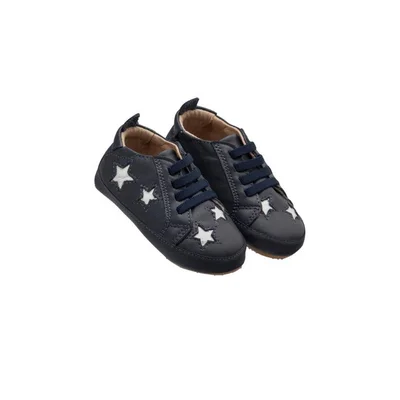
A good soft-sole pre-walker should feel almost like a slipper. Flexible enough to bend in your hand, with a sole that lets those feet feel what is underneath.

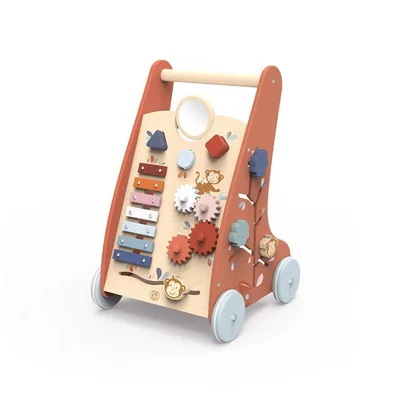
This is also the stage where a sturdy push-along walker can be great fun. It gives cruisers something steady to hold while they practise their stepping.
One thing to know: push-along walkers are very different from the sit-in baby walkers with wheels. Most health guidance advises skipping the sit-in kind, so if you are adding something to your wishlist, choose the type your baby stands behind and pushes.

Stage 3: Those first wobbly steps
Cue the happy tears and the shaky phone videos! 🎉
Babies take their first independent steps at hugely different ages. Some are off before their first birthday, others wait until well into their second year, and both are completely normal. If you have any worries about when or how your little one is walking, have a chat with your health visitor or GP.
Here is the bit people find surprising: the first steps usually happen indoors, and indoors they can stay barefoot. You do not need to rush to the shoe shop the day they let go of the coffee table.
Give them a few weeks to get steadier. Let them practise on carpet, rugs and grass in the garden. Their feet are doing the learning.
Stage 4: Walking outside
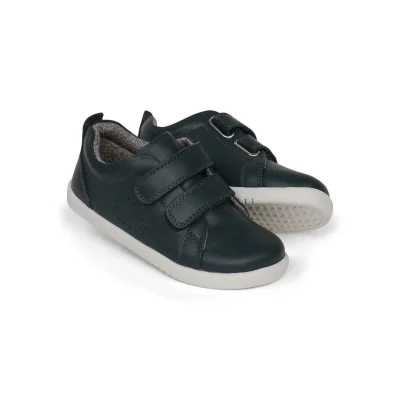
This is the moment for proper first shoes. Once your toddler is walking confidently on their own and you want them toddling on pavements, in the park or through crunchy leaves, their feet need protection.
What to look for in a first walking shoe:
- A flexible sole that bends easily at the front, where the toes bend
- Light weight, so they are not lifting heavy boots with every step
- A wide, roomy toe box so toes can spread out
- Velcro or a simple fastening that holds the heel securely without being tight
- A grippy sole for wet autumn pavements
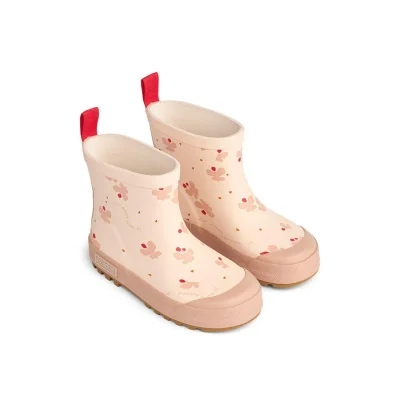
And because this is the UK and it is October, a pair of wellies will get plenty of use. Puddle jumping is basically a toddler sport. Just keep wellies for wet-weather fun rather than all-day wear, as they are not designed for long walks.
Stage 5: Keeping up with growing feet
Here is the tricky part. Toddler feet grow fast, and your little one will not tell you their shoes are pinching. They will just get grumpy, start tripping more, or refuse to walk.
Getting their feet measured is the easiest way to get it right, especially for that very first pair. Many children's shoe shops offer free fitting, and a good fitter will check length and width.
At home, you can do a quick check:
- Press gently at the front of the shoe while your toddler is standing. There should be about a thumb's width (roughly 1cm) of space beyond the longest toe
- Slide a finger behind the heel. It should fit snugly, without being squeezed
- Take the shoes off after a walk and look for red marks on the toes, sides or heel
- Re-check every couple of months, as growth spurts can catch you out
A quick word on hand-me-downs. It is so tempting with tiny shoes that look barely worn! But shoes mould to the feet that wore them, so for everyday walking shoes, it is worth starting fresh. Wellies, slippers and occasional party shoes are a different story.
Putting first shoes on the wishlist
Shoes are one of those gifts friends and family absolutely love to buy. The catch is that sizes change so quickly, a pair bought in advance might not fit by the time they are needed.
A few ideas that work well:
- Add a soft pre-walker in the next size up, rather than your baby's current size
- Ask for a gift card or contribution towards a proper first fitting
- Pop wellies or a push-along walker on the list, as they are less size-sensitive
You can keep it all in one place on your BubsNest wishlist, and update sizes as those little feet grow.
Most of all, enjoy this bit. The wobbles, the arms flung out for balance, the proud grin when they make it across the room. Bare feet or brand new shoes, those first steps are pure magic. 💛
Ready to Create Your Baby Registry?
Start your free baby registry today and share it with friends and family.
Get Started Free