Potty Training Out and About: Car Trips, Cafés and Public Loos
Your toddler has cracked the potty at home. Now for the big wide world. A friendly, place-by-place plan for car journeys, cafés, hand dryers and grandparents.
A potty. Two pairs of leggings. A pack of wipes, a carrier bag, a roll of kitchen towel and a small, slightly squashed box of raisins.
That is the current contents of our car boot, and if you are mid-potty-training, yours probably looks similar. 🚗
Getting the hang of it at home is one thing. Home has a potty in every room, a washing machine ten steps away and no queue. The outside world has motorways, café loos up two flights of stairs and hand dryers that sound like a jet engine.
The good news? Going out is not a step backwards. It is part of the learning, and with a bit of planning it can be surprisingly calm. Here is our place-by-place guide.
In the Car
Car journeys are where "I need a wee!" hits hardest, usually about four seconds after you have joined a dual carriageway.
A few things make a big difference:
- Offer a wee right before you leave. Make it part of the "shoes, coat, potty, car" routine so it is not up for debate.
- Keep a potty in the boot. One with a lid is gold, because you can pull into a lay-by, pop it on the back seat or verge, and close it up afterwards until you find a bin or loo.
- Plan stops on longer trips. Every hour or so is a sensible rhythm in the early weeks, even if they say they are fine.
- Protect the seat. Accidents in the car seat happen to almost everyone. Only use a liner your car seat maker has approved, since extra padding that has not been tested can affect how the seat performs in a crash.
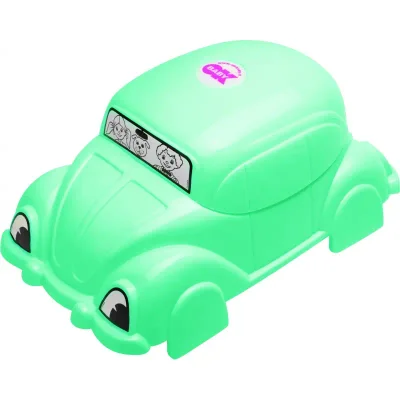

The lidded design is what earns this one a spot in the boot. It is a proper sit-down potty, so it feels familiar to a toddler who has been practising at home, and the cover keeps things contained until you can tip it away.
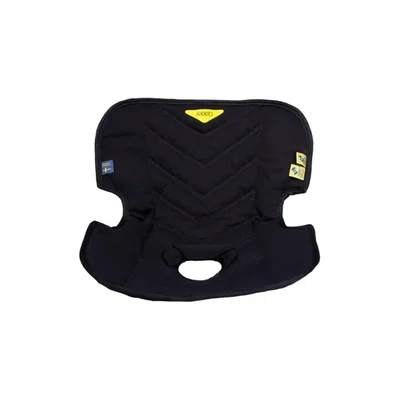

If your little one rides in an Axkid seat, this waterproof pad is made for it and has been crash tested with their seats. If you have a different brand, check what your manufacturer recommends before adding anything underneath your child.
In Cafés and Shops
The golden rule here: find the loo before you need the loo.
When you sit down for a coffee, ask straight away where the toilets are. Toddlers give you a surprisingly short warning window, and "it's downstairs, past the kitchen, through the door marked staff" is not a journey you want to discover with ten seconds on the clock.
A few more café-friendly habits:
- Offer a trip to the loo after a drink rather than waiting to be asked.
- Choose a table near the toilets if you can. Not glamorous, very effective.
- In supermarkets and big shops, the customer toilets are often by the entrance or the café. Clock them on the way in.
- Many accessible and baby change loos are roomier, which helps when you are juggling a toddler, a coat and a shopping bag.
In the Big Public Loos
For a small person, an adult toilet in a public place can feel enormous. The seat is huge, the flush is loud and the automatic dryer might just be the scariest noise they have ever heard. 😬
Plenty of toddlers who are perfectly happy at home will suddenly refuse public toilets. That is completely normal, and it usually passes.
What tends to help:
- A folding toilet seat reducer. It makes the big seat feel like their seat at home, and stops them worrying about slipping in.
- Cover the auto-flush sensor. A sticky note or just your hand over the little sensor stops the toilet flushing while they are still sitting on it.
- Warn them about the dryer. "That one is loud, shall we cover our ears?" works better than being surprised. You can always skip it and use a wipe or your jeans instead.
- Let them hold on to you. Lots of toddlers feel steadier holding your hands or knees while they go.
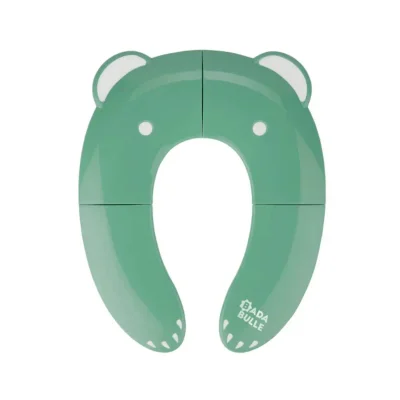
This one folds into quarters and comes with its own little bag, so it lives in the changing bag without taking over. Non-slip grips keep it put on the seat, and it wipes clean in seconds.
At the Park and Playground
Parks are tricky. The toilets might be a ten-minute walk away, locked for winter, or simply not there at all.
This is where the boot potty or a bit of discreet bush-wee know-how comes in. There is no shame in either! Many parents find it helps to:
- Check where the nearest loos are before you go (some council websites list them).
- Offer a wee before the playground, not after. Once they are on the climbing frame, they will hold on until the very last second.
- Dress them in easy clothes. Elasticated waists and no dungarees, tights or fiddly poppers while they are learning.
And if there is an accident in the sandpit? Deep breath. Quick change, no fuss, back to playing. Your calm is the most useful thing you can bring.
At Granny's (and Other People's Houses)
Being potty trained at your house does not always translate to being potty trained at someone else's. New bathroom, new smells, different toilet seat, too many exciting cousins to play with.
A few gentle ideas:
- Show them where the toilet is as soon as you arrive.
- Take their familiar seat reducer or step, or ask regular hosts if they would keep a spare.
- Have a quiet word with grandparents about your words and routine, so "do you need a wee?" sounds the same everywhere.
- Remind relatives that accidents are part of it, and no telling off.
A lot of families find the second or third visit is much smoother than the first, once the new bathroom feels less of a mystery.
In the Changing Bag
Your changing bag is about to get a promotion. Instead of nappies, it becomes a small "just in case" kit. Ours looks like this:
- Two full changes of clothes, including socks (wee runs down)
- Spare pants, more than you think
- Wipes and a small hand sanitiser
- A wet bag for soggy clothes
- Your folding toilet seat
- A small treat or sticker for brave public-loo moments, if that is your thing
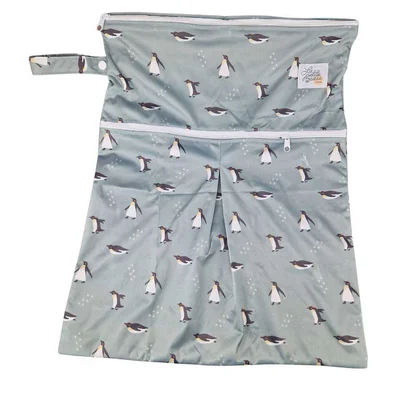

A double wet bag keeps damp clothes away from everything else, and stops your whole bag smelling of last Tuesday. Rinse, dry, repeat.
One Last Thing
Accidents out and about are not a sign it is not working. They are a sign your toddler is learning in harder conditions, with more distractions and fewer familiar cues.
Some toddlers wobble when routines change, like starting nursery, a new sibling arriving or going on holiday. If you are worried about a long run of accidents, pain when going, or your child holding on for very long stretches, have a chat with your GP or health visitor.
Otherwise? Pack the spare leggings, find the loo first, and celebrate every dry trip to the shops. You are doing brilliantly. 💛
Building a list for the toddler years? Pop everything from potties to wet bags onto your BubsNest wishlist so family know exactly what will help.
Ready to Create Your Baby Registry?
Start your free baby registry today and share it with friends and family.
Get Started Free