Getting Active Again After Baby: What Your Body Actually Needs (And What Can Wait)
The six-week check does not mean you have to hit the gym. Here is how to move again after birth, at your own pace, with your baby along for the ride.
Six weeks after your baby arrives, your GP gives you the all-clear to exercise again. And for about three seconds you think, brilliant, I will get back to it.
Then you stand up too quickly, feel everything shift in a way it definitely should not, and sit back down with a biscuit instead.
Here is the thing that postnatal fitness culture conveniently forgets to mention: the six-week check is not a starting gun. It is a minimum safety net. Your body just grew and delivered a whole person, and it needs more than a calendar date to be ready for burpees. The good news? Moving your body after baby does not have to mean gym sessions or 5am runs. It can start much, much simpler than that.
Your Body Did Something Extraordinary. Give It a Minute.
Pregnancy changes your body in ways that take months, not weeks, to resolve. Your abdominal muscles may have separated (diastasis recti affects roughly two thirds of postpartum women). Your pelvic floor has been under serious pressure. Your joints are still looser than normal thanks to lingering relaxin. And if you had a caesarean, you are recovering from major abdominal surgery on top of everything else.
None of this means you cannot move. It means you should start gently and listen to what your body is telling you, even when Instagram is telling you something different. The parents doing HIIT at four weeks postpartum are the exception, not the rule, and comparing yourself to them is a fast track to feeling rubbish. 🙃
Walking: The Most Underrated Exercise There Is
If there is one piece of postnatal fitness advice worth tattooing on your arm, it is this: just walk.
Walking is free, low impact, and genuinely good for both your physical recovery and your mental health. It gets you out of the house (which in those early weeks can feel like escaping from a very adorable prison). It strengthens your legs and core without putting pressure on your pelvic floor. And your baby comes along for the ride, which eliminates the single biggest barrier to postnatal exercise: childcare.
Start with ten minutes around the block if that is all you have the energy for. Build up gradually. A daily walk with the pushchair or with your baby in a sling is doing more for your recovery than you think.
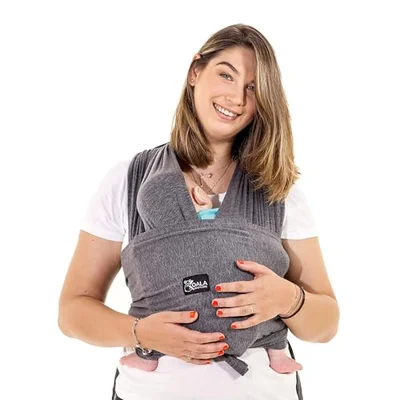
Babywearing walks are brilliant for this stage. You get the gentle movement your body needs, your baby gets the closeness they crave, and you keep your hands free for the all-important coffee stop. A lightweight stretchy wrap or sling makes this easy from the newborn days.

Pelvic Floor First, Everything Else Second
Before you even think about running, jumping, or anything that involves impact, your pelvic floor needs attention. This is not optional. It is not boring. It is the single most important piece of postnatal fitness, and ignoring it can cause problems that last years.
Start your pelvic floor exercises as soon as you feel comfortable after birth, even in the first few days. Your midwife or health visitor can talk you through the basics. If things do not feel right after a few weeks, or if you are experiencing any leaking, pain, or heaviness, ask your GP for a referral to a women's health physiotherapist. This is not something to push through or ignore.
A good women's health physio can also check for diastasis recti and give you specific exercises to help those muscles come back together. It is worth the appointment, even if everything feels fine on the surface.
When You Are Ready for More
Most physiotherapists recommend waiting at least twelve weeks before returning to high-impact exercise like running. If you had a caesarean, that timeline may be longer. There is no prize for rushing this.
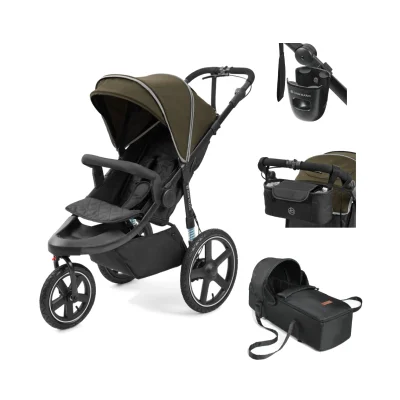
When you do feel ready to pick up the pace, a jogger pushchair is genuinely life-changing. These are built with larger wheels, better suspension, and a fixed front wheel that stays stable at speed. You strap your baby in, hit the park, and suddenly you are running again without needing anyone to watch the little one.
A few things to know: most jogger pushchairs are suitable from around six months (your baby needs enough head and neck control to handle the movement). Always use the wrist strap. And start with short intervals of jogging and walking, the same way you would if you were a complete beginner. Because right now, in some ways, you are.

Getting Outdoors Together
Once your baby is a bit older and you are feeling stronger, the options open up. Swimming is fantastic postnatal exercise (low impact, full body, and your baby can come along to a parent-and-baby session). Yoga classes designed for postnatal bodies are brilliant for rebuilding core strength without overdoing it. And if you are someone who loves being outside, hiking with your baby in a back carrier turns a walk into a proper workout.
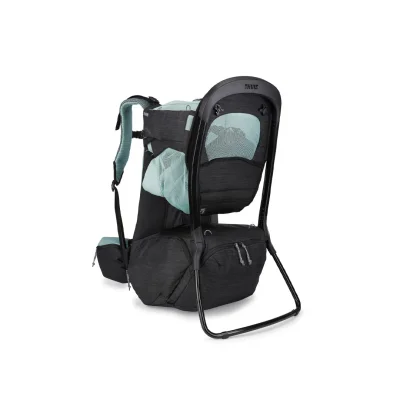
A structured child carrier backpack lets you tackle proper terrain, hills, trails, countryside paths, with your baby sitting comfortably on your back. Most are suitable from around six months when your baby can sit independently. They are heavier than a standard sling but distribute weight properly across your hips, which means you can go further without your shoulders staging a protest.

The Stuff Nobody Says Out Loud
Your body might not look or feel the way it did before. That is normal. It might take six months to feel like yourself again, or twelve, or longer. Some things may change permanently, and that is OK too.
You do not owe anyone a "bounce back." You do not need to lose the baby weight by a certain date. You do not need to fit into your pre-pregnancy jeans to prove anything to anyone. Moving your body after baby should be about feeling good, getting stronger, and giving yourself a break from the relentlessness of early parenthood, not about punishing yourself into a smaller shape.
On the days when exercise feels impossible (and there will be plenty of those), a walk around the block counts. A set of pelvic floor exercises on the sofa counts. Even just stretching for five minutes while your baby naps counts. It all adds up. 💪
A Quick Checklist Before You Start
- Wait for your six-week (or eight-week, if caesarean) postnatal check
- Start with walking and pelvic floor exercises
- Avoid high-impact exercise until at least twelve weeks postpartum
- See a women's health physiotherapist if anything feels off
- Build up gradually, there is no timeline you need to follow
- Stay hydrated, especially if you are breastfeeding
- Stop if anything hurts, leaks, or does not feel right
Getting active after baby is not about getting your old body back. It is about building a stronger one, at whatever pace works for you and your family. Start small. Be kind to yourself. And remember that the walk to the coffee shop absolutely counts as exercise.
If you are putting together your baby wishlist and want to add some of the gear that makes getting out and about easier, you can start your list on BubsNest and share it with friends and family who want to help.
Ready to Create Your Baby Registry?
Start your free baby registry today and share it with friends and family.
Get Started Free