Going Overdue: What to Expect When Your Due Date Comes and Goes
Only 4% of babies arrive on their due date. Here is what actually happens when yours decides to stay put, what your midwife will suggest, and how to survive the wait without losing your mind.
Only about 4% of babies arrive on their actual due date. Four percent. Which means the other 96% of us are sitting there on D-day, staring at a phone full of "any news?!" messages, wondering if the baby got the memo at all.
If you are reading this at 40-something weeks, enormous and uncomfortable and mildly furious at everyone who told you the baby would "come when it's ready," you are in very, very good company. Going overdue is one of the most common experiences in pregnancy, and also one of the most emotionally brutal. The nursery is ready. The hospital bag is packed. Your partner has been sleeping with one eye open for a fortnight. And the baby? The baby is apparently quite happy where it is, thank you.
Here is what is actually happening, what your midwife will suggest, and how to get through those extra days without completely unravelling.
Why Due Dates Are More Like Due Estimates
Your due date is calculated as 40 weeks from the first day of your last period. It is a best guess based on averages, not a booking confirmation. Babies have not read the calendar.
First babies, in particular, tend to arrive later. Research suggests the average first pregnancy lasts closer to 40 weeks and 5 days. So if you are sitting at 40+3 feeling like a failure, you are actually bang on schedule for a first-timer.
The dating scan at 12 weeks can shift your due date by a few days in either direction, and even that is working with margins. Your baby's size, your cycle length, when you actually ovulated - none of these line up neatly with a textbook. The due date is a guide. The baby will arrive in its own chaotic, inconvenient time.
What "Overdue" Actually Means
Technically, you are not considered overdue until 42 weeks. Between 40 and 42 weeks is called "post-dates" and it is completely normal. Your pregnancy is still classified as full-term up to 42 weeks.
That said, most maternity units in the UK will start conversations about induction from around 41 weeks. This is because research shows that the risk of complications increases slightly after 42 weeks, so the medical advice tends to lean toward encouraging things along before then.
The key word there is "slightly." Going to 41 weeks is not a medical emergency. It is a waiting game, and an annoying one, but it is not dangerous.
What Your Midwife Will Offer
From around 40 weeks, your midwife will likely offer you a membrane sweep. This involves a gentle internal examination where they separate the membranes of the amniotic sac from the cervix. It is not the most comfortable experience (some describe it as a "sharp scratch," which is midwife-speak for "this will hurt"), but it can help trigger the release of prostaglandins that encourage labour to start.
Sweeps do not always work first time. You might be offered a second or third. They are more likely to be effective if your cervix is already softening and starting to dilate, which your midwife can assess during the same appointment.
If sweeps have not done the trick by 41-42 weeks, your midwife or consultant will discuss induction. This is a conversation, not a command. You can ask questions, request more time, or discuss the monitoring options available if you choose to wait. It is your body and your birth, and you are allowed to have opinions about it.
How to Stay Comfortable While You Wait
Late pregnancy is not a comfortable time at the best of moments. When you add the psychological weight of waiting and the physical reality of carrying a full-term baby, comfort becomes a mission.
Sleep is usually the first casualty. Your bump is enormous, your bladder is being used as a trampoline, and every position feels wrong. A good pregnancy pillow becomes less of a luxury and more of a survival tool at this stage.
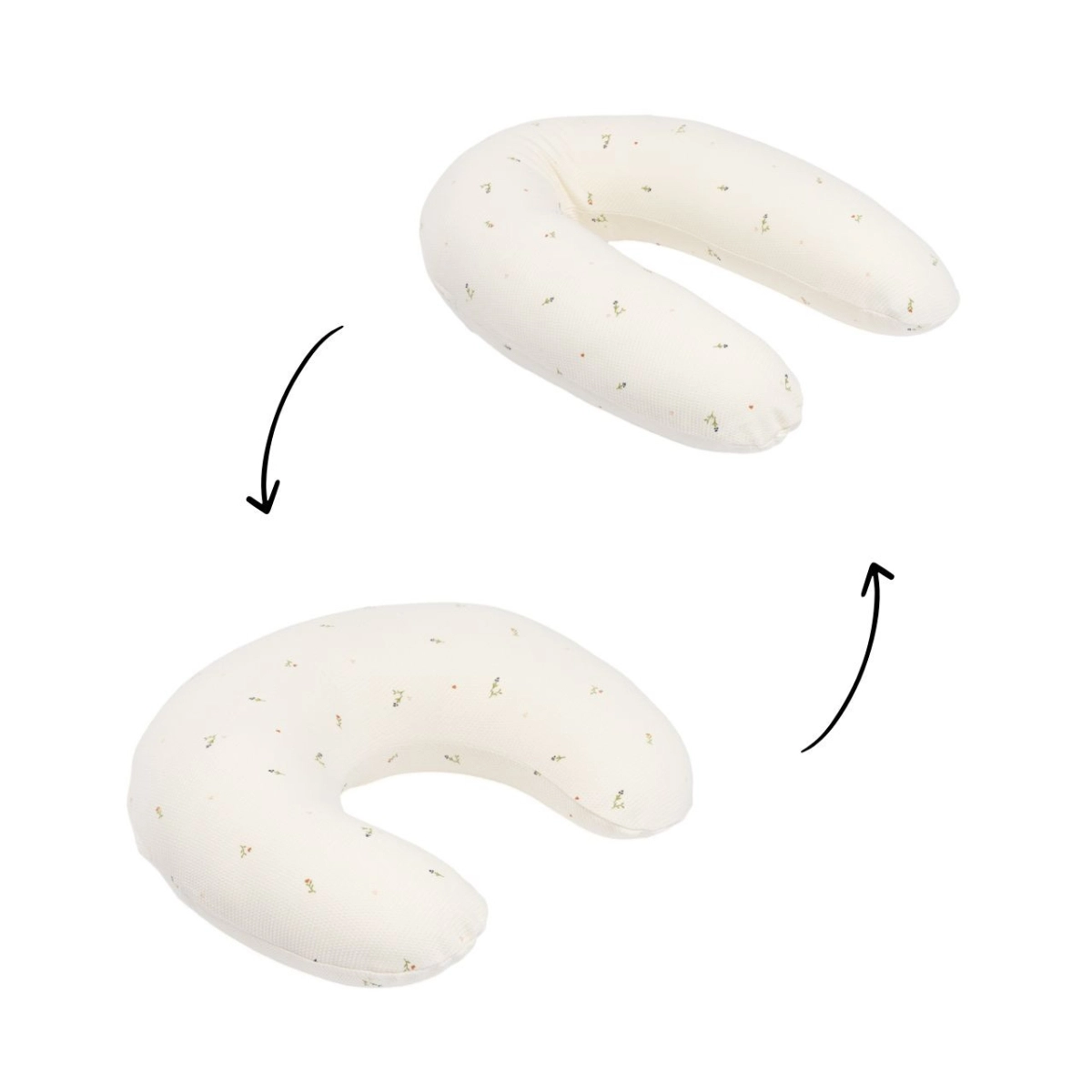

Your lower back and pelvis are also bearing serious load by now. If you are on your feet at all, a support band can take enough pressure off your ligaments to make the difference between managing and misery.


Warm baths (not hot, warm), gentle walks, and bouncing on a birthing ball can all help ease aches and potentially encourage baby to move into a good position. Some people swear by raspberry leaf tea at this stage, though the evidence is mixed. At worst, it is a warm drink and a quiet five minutes, which is never wasted.
Things to Actually Do With the Extra Time
The temptation is to sit on the sofa refreshing your contraction timer app every 30 seconds. Resist this. You will drive yourself bananas.
Instead, treat these bonus days as a gift. They are genuinely the last stretch of time where your schedule belongs entirely to you (and/or your partner). Here are some things worth doing:
- Batch cook and fill the freezer. Future you, at 3am with a newborn, will be deeply grateful for a lasagne that only needs reheating.
- Have a proper date. Dinner, cinema, a long walk, whatever feels special. These will be harder to arrange for a while.
- Prep your perineum. Perineal massage from 36 weeks onwards is recommended by midwives to reduce the risk of tearing. A good kit makes this easier.


- Get your TENS machine charged and ready. If you are planning to use one during early labour, having it set up and tested in advance means one less thing to think about when contractions start.


- Write a list of things you want to remember about this pregnancy. The kicks, the cravings, the weird dreams. It all fades faster than you think.
- Rest. Actually rest. Not "rest while scrolling through birth stories on Reddit" rest, but proper feet-up, phone-down, eyes-closed rest. You are about to run a marathon. Treat your body accordingly.
How to Handle the Messages
There is a special circle of frustration reserved for the "any signs yet?!" text messages that start arriving the moment your due date passes. Your mum, your best friend, your colleague from three jobs ago, that aunt you have not spoken to since Christmas. They all want to know.
Some people set up a group chat with a firm "we will update you when there is news, please do not ask" boundary. Others change their voicemail. One friend of mine posted a daily photo of her bump on the family WhatsApp with the caption "still here" until people got the hint.
However you handle it, know that the people asking are (mostly) asking because they care. But you are also allowed to mute every single notification and sit in blissful silence if that is what you need.
When to Actually Worry
Going overdue is normal. But there are a few things that always warrant a call to your maternity unit, regardless of how far past your due date you are:
- A noticeable reduction in your baby's movements
- Any bleeding
- Severe headaches, visual disturbances, or sudden swelling in your face or hands
- Waters breaking (even without contractions)
- Feeling generally unwell or "not right"
Trust your instincts. Midwives would always rather you called and everything was fine than stayed at home worrying. That is literally what they are there for.
The Bit Nobody Tells You
Going overdue can feel lonely. Everyone around you is excited and impatient, but you are the one living in this heavy, uncomfortable, emotionally charged body, waiting for something enormous to happen with absolutely no control over the timing.
It is OK to feel frustrated. It is OK to cry at the sofa cushions. It is OK to eat an entire packet of biscuits and call it self-care. Your baby is coming, and when they arrive, you will not remember whether it was 40+1 or 41+3. You will just remember the moment you met them.
And in the meantime? Be gentle with yourself. You have grown an entire human. The finish line is closer than it feels. 💛
If you are building your registry or want to make sure you have everything ready for those final weeks, have a look at your Nest and double-check nothing has been missed.
Ready to Create Your Baby Registry?
Start your free baby registry today and share it with friends and family.
Get Started Free