Introducing a Bottle to a Breastfed Baby: When to Try, How to Do It, and What to Do When They Refuse
A warm, honest guide to offering your breastfed baby their first bottle, including the best timing window, practical tips, and what to try when they are not having it.
You have spent weeks learning the latch. You have survived the cluster feeds, the leaking through three tops a day, the middle-of-the-night Googling about whether that latch pain is normal (it was, then it wasn't, then it was again). Breastfeeding is finally clicking. And now someone, usually your mum or your partner or a well-meaning health visitor, is asking the question you have been quietly dreading: "Shouldn't you try a bottle?"
It feels like a trap. Introduce one too early and you worry about nipple confusion. Leave it too late and they might refuse it entirely. The window feels impossibly narrow. The good news? It is wider than you think, and most babies get there eventually, even the stubbornly breast-obsessed ones.
Why Bother With a Bottle at All?
If breastfeeding is going well, the idea of adding a bottle can feel like fixing something that is not broken. But there are genuinely practical reasons to have a baby who can take one.
The most common is that you are going back to work. Even if that feels ages away, a baby who has never seen a bottle at ten months is a much harder sell than one who had a gentle introduction at four weeks. Then there is the freedom factor. Being the only person who can feed your baby is lovely in theory and exhausting in practice. A bottle means your partner can take a night feed, or your mum can babysit for more than ninety minutes, or you can go to a dentist appointment without racing home with engorged breasts.
Some parents want the option for emergencies. If you are unwell, on medication, or simply need a break, knowing your baby will accept expressed milk from a bottle removes an enormous layer of pressure.
The Timing Sweet Spot
Most lactation consultants suggest introducing a bottle somewhere between three and six weeks. Before three weeks, breastfeeding is still being established, and there is a small risk that a bottle's faster flow could make a baby impatient at the breast. After six to eight weeks, many exclusively breastfed babies start developing a strong preference for the breast and will reject anything silicone on principle.
That said, these are guidelines, not deadlines. Plenty of babies accept a bottle happily at eight weeks, ten weeks, even four months. And some three-week-olds refuse one with impressive determination. Every baby is different. If you have missed the "ideal" window, do not panic. You have not ruined anything. You might just need a bit more patience.
How to Actually Do It
The single best piece of advice, and the one almost every breastfeeding counsellor will give you, is this: let someone else offer the first bottle. Your baby associates you with the breast. They can smell your milk. Having you hold them in a feeding position while presenting something that is not a breast is, from their perspective, baffling and a bit offensive.
Your partner, a grandparent, or a trusted friend is a much better bet for the first attempt. And ideally, you should be out of the room. Some babies can smell their mother from another floor of the house. Go for a walk. Sit in the garden. Do not hover outside the door listening (you will want to, but try not to).
Other tips that genuinely help:
- Offer the bottle when the baby is calm but hungry, not starving. A frantically hungry breastfed baby wants the breast, not an experiment.
- Try a slow-flow teat. Breastfed babies are used to working for their milk, and a fast flow can overwhelm them or, worse, make them prefer the bottle over the breast.
- Warm the milk to body temperature. Cold expressed milk is an immediate no from most babies.
- Hold the baby in a slightly upright position rather than cradled. A different position signals a different feeding experience.
- Try paced feeding, where you hold the bottle almost horizontal and let the baby control the pace. This mimics breastfeeding more closely.
Expressing Milk: The Bit Nobody Warns You About
Before your baby can take a bottle of breast milk, you need to get the milk into the bottle. Expressing sounds straightforward. It is not.
Your first pumping session will probably produce a discouraging amount. This is completely normal. Your body responds differently to a pump than to a baby, and it takes a few sessions for your let-down reflex to cooperate. Many parents find that pumping first thing in the morning, when supply is naturally higher, gives the best results. Others pump from one side while the baby feeds from the other, which triggers a stronger let-down.


A good storage system makes the whole process less chaotic. Being able to pump, store, and warm without transferring milk between five different containers at 3am is the kind of efficiency that actually matters when you are sleep-deprived.
If you are pumping regularly, a hands-free pump changes the game. You can express while answering emails, eating lunch, or doing absolutely nothing, and all three of those feel like a luxury when you have a newborn.
What If They Just Will Not Take It?
Some babies refuse bottles with a passion that borders on performance art. They will scream. They will clamp their lips shut. They will gag theatrically on the teat and look at you like you have personally betrayed them. This is normal, and it does not mean you have failed or left it too late.
Things worth trying:
- Switch the teat. Some babies hate one shape but accept another. It is annoying to buy multiple bottles, but a teat designed for breastfed babies, with a wider, breast-shaped base, often makes the difference.
- Try a different temperature. Some babies will only accept milk that is exactly body temperature. Others surprise you by preferring it slightly cool.
- Offer the bottle during a dream feed, when they are drowsy enough to suck without fully registering what they are sucking on.
- Dip the teat in breast milk so the first thing they taste is familiar.
- Try different positions. Some babies will take a bottle while being gently bounced, walked around, or even facing outward on someone's lap.
- Consistency matters more than duration. A short, calm attempt every day or two is more effective than one long, stressful marathon session.
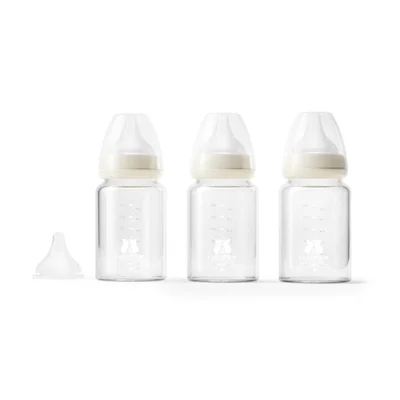


Glass bottles designed specifically for combination feeding are worth considering. They tend to have teats that encourage a slower, more breast-like pace, which can make the transition less jarring for a baby who knows exactly what they prefer.
The Emotional Side (Because It Is Real)
Nobody really talks about how introducing a bottle can feel. You might feel relief. You might feel guilt. You might feel a strange mix of both, happy that someone else can finally share the load, but a little sad that your baby does not need only you anymore.
All of those feelings are completely valid. Introducing a bottle does not diminish your breastfeeding relationship. It does not mean you are giving up. It means you are giving your baby, and yourself, flexibility. That is a gift, not a compromise.
If your baby does refuse the bottle entirely and you are approaching a return-to-work deadline, an open cup or a sippy cup can work surprisingly well for babies over six months. It is not the conventional route, but it works. There is always a solution, even if it is not the one you expected.
A Word on Formula
This guide focuses on expressed breast milk, but everything above applies if you are introducing a bottle of formula too. Combination feeding, some breast and some formula, is incredibly common, works brilliantly for many families, and does not need to come with guilt. Your baby is fed. That is what matters.
Warming It Up
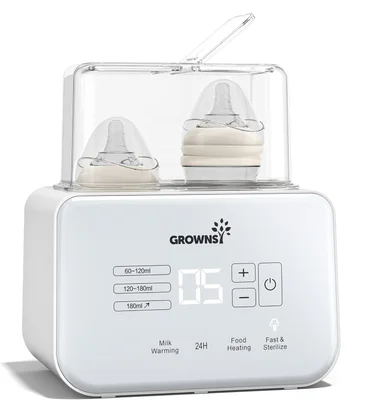
However your baby takes their bottle, getting the temperature right makes a real difference. Breast milk straight from the fridge needs gentle warming, and a dedicated bottle warmer takes the guesswork out of it. No more running bottles under the hot tap and testing on your wrist at 4am.
The Short Version
Aim for three to six weeks if you can, but do not stress if you miss it. Let someone else offer the first bottle. Use a slow-flow teat. Warm the milk. Stay patient, stay calm, and know that most babies get there eventually. And if your baby is one of the stubborn ones? They are just showing you how much they love breastfeeding. Which is actually quite flattering, when you think about it. 🍼
Want to add bottles and feeding essentials to your wishlist? Start your BubsNest registry and let friends and family know exactly what you need.
Ready to Create Your Baby Registry?
Start your free baby registry today and share it with friends and family.
Get Started Free