Tiny Arrivals: Getting Ready for a Premature or Small Baby
Early or tiny babies need a slightly different kit list. From prem nappies to wires-friendly vests, here is how to get ready for a small arrival, gently and without the panic.
Roughly 1 in 13 babies in the UK arrives before 37 weeks. That's a classroom's worth of tiny people in every big maternity unit, every single month.
And yet almost every baby checklist assumes your little one turns up on time, at a cosy 3.5kg, ready to swim in their newborn sleepsuits. 🤏
If you've been told your baby might come early, or scans suggest they're measuring small, the usual kit list can feel a bit... off. This guide is for you. Not a medical guide (your neonatal team and midwife are the experts there), just a friendly heads-up on the practical bits that make life with a smaller baby easier.
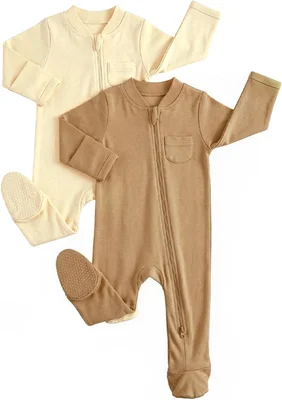
Clothes: think tiny, soft and easy access
Here's the first surprise. "Newborn" sizes usually start around 7-10lb, which can leave a 4lb baby looking like they've borrowed their big brother's jumper.
Look for "tiny baby" or "early baby" sizing instead. These are cut for roughly 5-7lb babies, and some shops go smaller still with dedicated prem ranges.
A few things worth looking out for:
- Zips or poppers all the way down. Fewer fiddly moves means less handling for a baby who tires easily.
- Two-way zips. Brilliant for nappy changes without undressing the whole baby.
- Soft, simple fabrics. Plain cotton, no scratchy labels, no chunky appliqué.
- Just a handful. Small babies grow fast once they get going, so buy a few now rather than a drawer full.

Vests: the wrap-over is your best friend
If your baby spends time in a neonatal unit, there may be wires, monitors or a feeding tube in the mix. Pulling a vest over their head suddenly feels like a puzzle you didn't sign up for.
Wrap-over, kimono-style bodysuits fasten at the side, so you can lay baby down on the open vest and fold it round them. No tugging, no threading leads through neck holes. Lots of parents say it's the single most useful thing they bought.
Always check with the nurses before dressing your baby in the unit. Some babies need to stay in just a nappy for a while so staff can see their skin and keep them in the incubator's warmth.
Nappies: yes, they really come that small
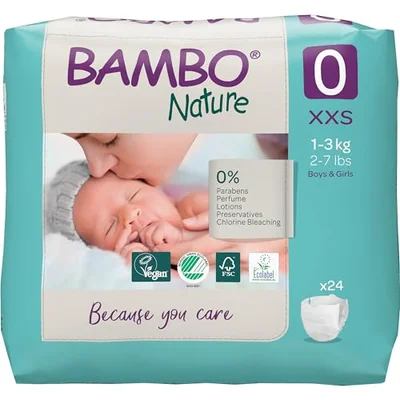
Standard size 1 nappies tend to start at around 2kg, and they can gape round tiny legs. That's where prem sizes come in, usually labelled size 0, micro or prem.
The unit will normally provide nappies while your baby is there. But it's handy to have a pack at home for the first days after discharge, when your little one may still be swimming in a size 1.
Don't stock up massively though. Once babies start gaining, they can whizz through a size in a few weeks. One or two packs is plenty.
Feeding: expressing kit for between visits
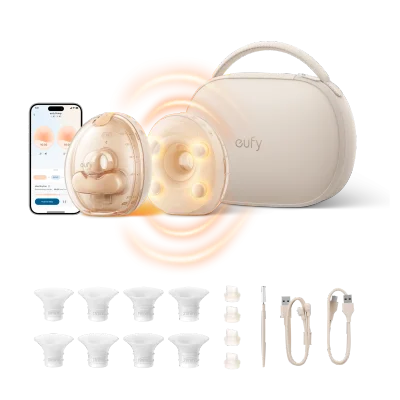
Many parents of early babies find themselves expressing milk, sometimes for weeks, while their baby learns to feed. It's a lot. Be gentle with yourself.
Most neonatal units have hospital-grade pumps on the ward, and some can lend you one to take home. Ask about this first, before you buy anything. Your unit's infant feeding team can also help with pump settings and flange sizes.
If you'd rather have your own pump for home, look for one that's comfortable for frequent use, easy to clean and quiet enough for night sessions. Being able to pump without being tethered to a wall socket is a real bonus when you're also trying to eat, sleep and shower.
A few extras that help:
- A big water bottle you can fill once and forget about
- A cosy cardigan, as units are warm but corridors often aren't
- Labels or a marker pen, as most units ask you to name and date every bottle of milk
- A photo of your baby on your phone, as plenty of parents find it helps the milk flow while pumping away from them
Your hospital bag, rethought
When babies arrive early, the hospital bag often isn't packed. Or it's packed for a short stay, not weeks of visits.
Things parents in neonatal units say they were glad of:
- Comfy, front-opening tops for skin-to-skin cuddles (often called kangaroo care)
- Phone charger with a long cable
- Snacks you can eat one-handed
- A notebook for questions to ask on the ward round
- Lip balm and hand cream, as all that hand gel is brutal on your skin
Coming home: small babies, same safe basics
Discharge day is huge. Exciting, nerve-wracking, and full of "are we really allowed to take them?" feelings.
Before you go, ask the team about anything specific to your baby, like how warm to keep the room, how to dress them for sleep, and any follow-up appointments. Every baby is different, and their advice trumps anything you read online, including this.
Your car seat is worth a chat too. Some infant seats fit small babies better than others, and some units like to check your baby sits comfortably in the seat before you leave. Have it fitted and ready a few weeks early if you can, and ask the unit whether they'd like to see it.
At home, the usual safe sleep basics still apply: on their back, in their own clear, flat space, with nothing loose around them. If anything about your baby's breathing, feeding or colour worries you, call your GP, health visitor or 111. That's exactly what they're there for.
Gifts that genuinely help (pass this to the grandparents)
Friends and family often want to help but don't know how. If you're setting up a wishlist, it's completely fine to add things that are about you as much as baby.
- Fuel or parking money for daily trips to the unit
- Meals for the freezer
- A few tiny baby outfits (in place of the 0-3 month ones that won't fit yet)
- Someone to walk the dog, do the school run or water the plants
You can pop all of this on a BubsNest wishlist, practical bits included, so people know exactly what will help.
One last thing
If your baby arrives early or small, you might feel you missed out on the nesting, the bump photos, the final few weeks of "getting ready". That's a real loss, and it's okay to feel it.
But tiny babies are fierce. And the love you've got for them doesn't need a full-term due date to be enormous. 💛
The UK charity Bliss has brilliant support for families of premature and sick babies if you'd like someone to talk to.
Ready to Create Your Baby Registry?
Start your free baby registry today and share it with friends and family.
Get Started Free