Moving Baby to Their Own Room: When You're Ready (Even If You're Not)
The six-month mark is not a deadline. Here is how to know when it is actually time to move your baby into their own room, and how to make the transition without losing your mind.
Everyone talks about the six-month mark like it is a deadline. As if on the dot of 26 weeks, you are supposed to wheel the cot into the nursery, close the door, and suddenly be fine with it.
Spoiler: that is not how it works. For anyone.
The recommendation to have your baby sleep in the same room as you for the first six months is based on solid evidence from the Lullaby Trust, and it is important. But what nobody tells you is that the decision to move them into their own room is rarely about the calendar. It is about your baby, your family, and whether any of you are actually sleeping.
How Do You Know It Is Time?
Some babies start showing signs around six months. Others are closer to eight or nine months. And some parents are emotionally ready before their baby is, while others cannot imagine being in a different room even at a year.
Signs your baby might be ready:
- They are sleeping longer stretches (roughly four to six hours)
- Every tiny noise you make wakes them up (and vice versa)
- They have outgrown their bedside crib or Moses basket
- They are rolling, wriggling, and generally taking up more space than seems physically possible
Signs you might be ready:
- You wake up every time they so much as snore
- You and your partner are whispering like hostage negotiators just to have a conversation in bed
- You have started fantasising about sleeping without listening to someone else breathe
If most of those sound familiar, it might be time. If none of them do, there is absolutely no rush. 🌙
Getting the Nursery Ready
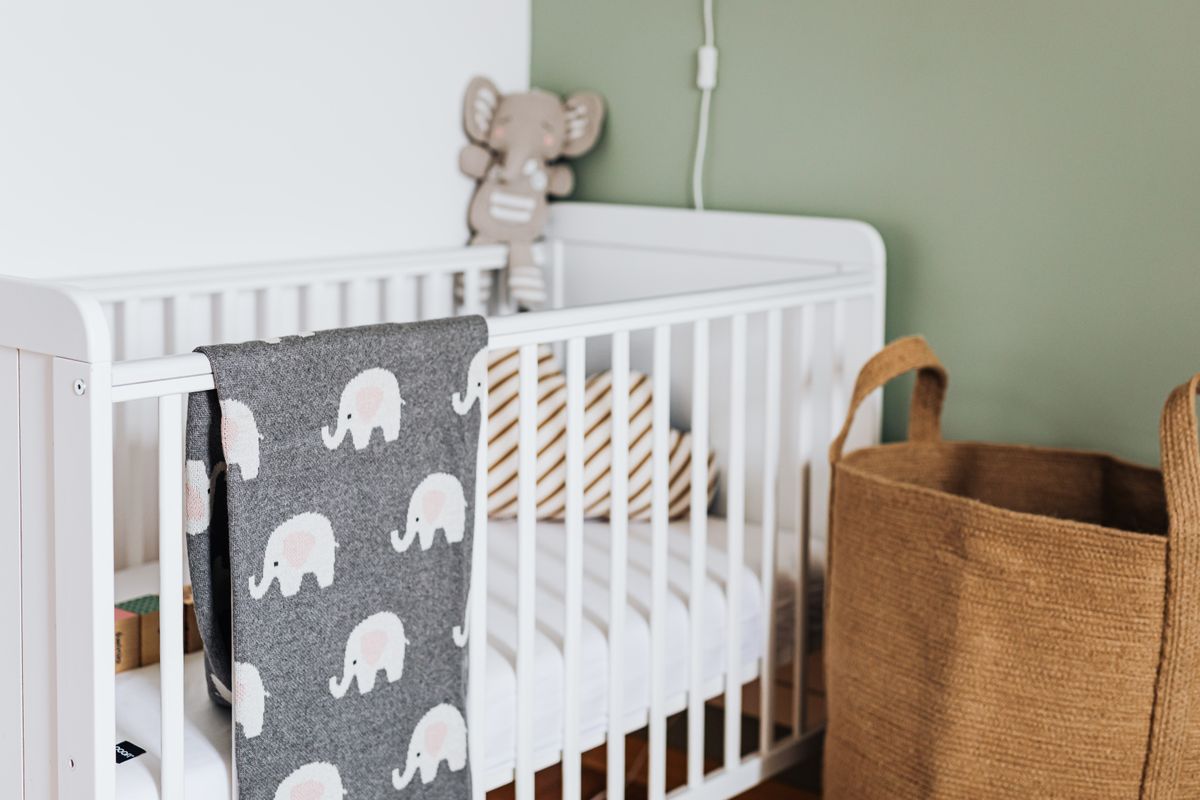
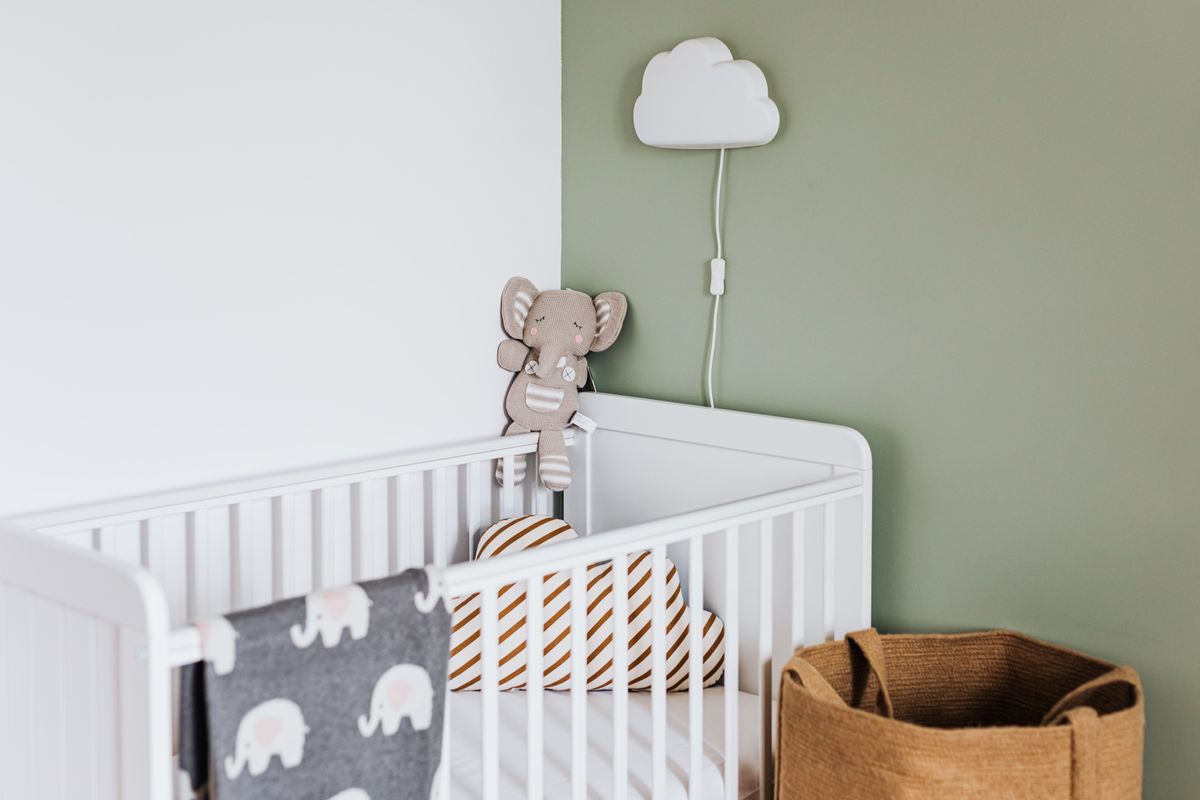
Before the big move, spend a few days making sure the room feels right. Not Instagram-perfect, but genuinely safe and comfortable.
Temperature matters more than decor. Aim for 16-20 degrees. A room thermometer takes the guessing out of it, especially in summer when bedrooms can quietly turn into saunas overnight.
Darkness is your friend. Babies sleep better in properly dark rooms. If you have got thin curtains or a street lamp outside, a portable blackout blind is worth every penny.


Keep it boring. This sounds counterintuitive when you have spent months curating the perfect nursery aesthetic, but at sleep time, less stimulation equals better sleep. Save the toys and mobiles for daytime. The cot should have a firm mattress, a fitted sheet, and nothing else.
Familiar scents help. Sleep with their fitted sheet for a night before the move so it smells like you. Strange advice? Maybe. Effective? Absolutely.
Making the Transition
There are two schools of thought here, and both are completely valid.
The gradual approach: Start with daytime naps in the nursery for a week or two before moving nighttime sleep. This lets your baby get used to the room, the sounds, and the light while you are nearby and it all feels low-stakes.
The just-go-for-it approach: Pick a night, put them down, and commit. Some babies adapt faster when you do not overthink it. If they have been sleeping well already, this can work brilliantly.
Either way, a good sleeping bag helps the transition feel consistent. If they are already sleeping in one in your room, taking it with them to the nursery means at least one thing stays the same.


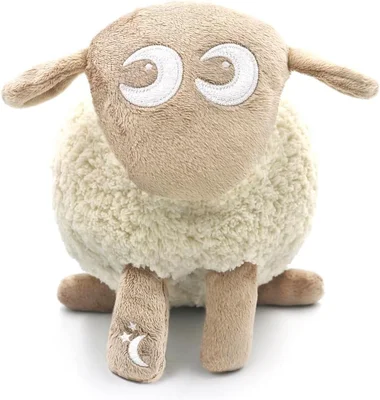
A sleep aid can work wonders too. Something that plays white noise or gentle sounds fills the silence of a new room and gives your baby a familiar audio cue that it is time to wind down.

The Monitor Question
You do not technically need a video monitor. Parents managed without them for generations, and audio-only monitors work perfectly well. But if you are the type who will lie awake imagining worst-case scenarios (no judgement, most of us are), being able to glance at a screen and see your baby peacefully starfishing across their cot is genuinely reassuring.
The key is finding one you trust without becoming obsessed with watching it. A good monitor should make you feel calmer, not more anxious. Look for decent night vision and a reliable connection, and try to resist the urge to stare at it all night. 📱

The First Night (Yours, Not Theirs)
Here is a secret: your baby will probably sleep fine. Better than fine, actually. Many parents report their baby sleeps longer stretches from the very first night in their own room, because they are no longer being disturbed by every creak of the bed, every cough, every time you roll over.
You, on the other hand, might be a wreck. And that is completely normal.
You will check the monitor roughly forty-seven times. You will consider sleeping on the floor of the nursery. You might even carry the baby back to your room and tell yourself you will try again tomorrow. All of this is fine. The transition is as much about you as it is about them.
Give it three to five nights before you decide whether it is working. Most babies settle into the new arrangement faster than their parents do.
What If It Does Not Work?
Then you try again in a few weeks. That is it. There is no parenting exam and nobody is keeping score.
Some babies genuinely are not ready, and bringing them back to your room is not a failure. It is responding to your child. You can revisit the move when things feel different, whether that is a fortnight later or a few months down the road.
The only thing worth remembering is that every baby moves to their own room eventually. Whether yours does it at six months or fourteen months, the end result is the same: they will be sleeping in their own space, and you will have your bedroom back.
And when that happens, you will miss the sound of their breathing. Just a little bit. 💛
Ready to set up your nursery? Add your favourite room essentials to your BubsNest registry and let your family and friends know what you actually need.
Ready to Create Your Baby Registry?
Start your free baby registry today and share it with friends and family.
Get Started Free