Nappy Rash: What Causes It, What Soothes It, and When to Call the Doctor
Every baby gets nappy rash at some point. Here is what is actually going on under that nappy, how to treat it, and when it is worth seeing your GP.
You can change nappies every two hours on the dot, use the gentlest wipes money can buy, and slather on barrier cream like you are icing a cake. And your baby can still get nappy rash.
That is the thing nobody mentions at the antenatal class. Nappy rash is not a report card on your parenting. It is one of the most common skin issues in babies, affecting most little ones at some point in their first two years. So if you have just peeled back a nappy to find angry red skin staring back at you, take a breath. You have not done anything wrong. 💛
Here is what is actually going on, what helps, and when it is worth getting a professional opinion.
What Nappy Rash Actually Looks Like
Mild nappy rash shows up as patches of pink or red skin around your baby's bottom, genitals, or upper thighs. The skin might feel warm to the touch and look slightly shiny. Your baby might fuss during nappy changes but otherwise seem perfectly happy.
More stubborn rashes can involve raised bumps, broken skin, or raw-looking patches that make your baby noticeably uncomfortable. If you spot white or yellow pus-filled spots, or if the rash has spread into the skin folds, that is a different conversation (more on that below).
Why It Happens (Spoiler: It Is Usually Simple)
Nappy rash boils down to one thing: moisture trapped against skin. A wet or dirty nappy sitting against your baby's bottom creates the perfect environment for irritation. Add in a bit of friction from the nappy itself, and that delicate skin does not stand a chance.
The usual triggers include:
- Nappies not being changed frequently enough (though "frequently enough" is doing a lot of heavy lifting when you are running on three hours of sleep)
- A bout of teething, which can cause looser, more acidic poo
- Starting solid food, because new foods change what comes out the other end
- Antibiotics, which can disrupt the balance of bacteria on the skin
- A sensitivity to a new brand of wipes, nappies, or washing powder
Sometimes there is no obvious trigger at all. Babies get nappy rash because they wear nappies. It really can be that straightforward.
Preventing It (As Much As You Can)
You cannot eliminate nappy rash entirely, but you can stack the odds in your favour.
Change nappies promptly. This is the single biggest thing you can do. A clean, dry nappy is your baby's best friend. Aim for a change every two to three hours during the day, and as soon as you notice a dirty nappy.
Let them air out. Give your baby some nappy-free time on a towel or mat whenever you can. Even ten minutes after a bath lets the skin breathe and dry properly. Yes, you might get a surprise puddle. It is worth it.
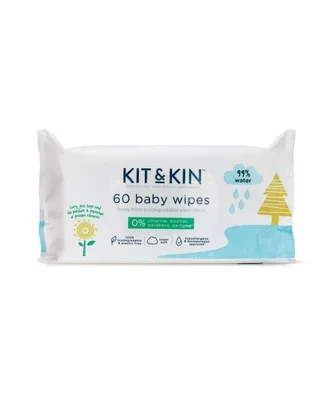
Choose gentle wipes. Fragranced wipes can irritate already sensitive skin. Water-based or fragrance-free wipes are kinder, especially if your baby is prone to rashes. Cotton wool and warm water is the gentlest option of all for newborns, but a good biodegradable wipe does the job beautifully once they are a few weeks old.

Pat, do not rub. When cleaning your baby's bottom, pat gently rather than wiping vigorously. Think of it like dabbing a stain out of silk rather than scrubbing a pan.
Use a barrier cream at every change. A thin layer of barrier cream creates a protective shield between your baby's skin and the moisture in their nappy. You do not need to cake it on, just enough to see a light coating. Apply it after every change, not just when a rash appears.
Treating It When It Shows Up
Most nappy rash clears up within three to five days with the right care. The approach is the same whether you are dealing with a mild pink patch or something angrier.
Step up the nappy changes. If you were changing every three hours, go to every two. If it is a dirty nappy, change it immediately.
Maximise nappy-free time. This is the single most effective treatment. The more air that reaches the skin, the faster it heals. Lay your baby on an old towel and let them kick about without a nappy for as long as practical. 🍃
Apply a nappy cream generously. This is where a dedicated nappy cream earns its spot in the changing station. There are two main types: barrier creams that protect healthy skin, and treatment creams with active ingredients like zinc oxide that help heal existing rashes. Some do both.
If you prefer a natural option, look for formulas with beeswax, coconut oil, or calendula. These create a breathable barrier without the heavier petroleum-based feel.

For the classic pharmacy approach that generations of parents have reached for, a simple ointment with provitamin B5 soothes irritated skin and supports its natural recovery. It is the kind of cream your midwife probably has in their own changing bag.
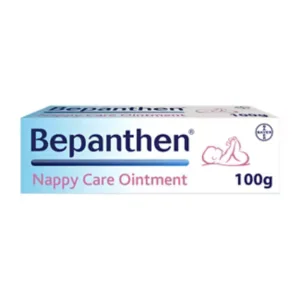

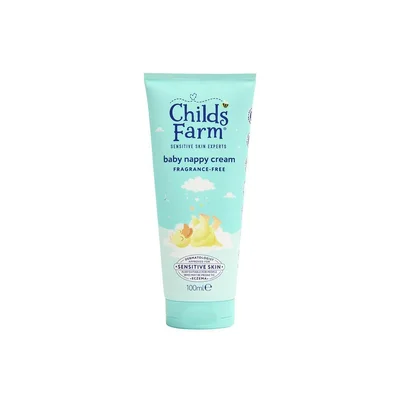
And if your little one has particularly sensitive skin, a gentle formula designed specifically for reactive skin can make all the difference. Look for dermatologist-tested options without harsh fragrances.

Skip the talcum powder. It used to be the go-to, but it is no longer recommended for babies. It can be inhaled and does not actually help with rash healing.
Check the nappy fit. A nappy that is too tight rubs against the skin and traps more heat. Make sure you can slip two fingers between the waistband and your baby's tummy.
When to See Your Doctor
Most nappy rash is a nuisance, not a medical emergency. But there are times when it is worth booking an appointment.
See your doctor if:
- The rash has not improved after a week of home treatment
- There are blisters, pus-filled spots, or open sores
- The rash has spread into the skin folds (this can suggest a fungal infection like thrush)
- Your baby has a fever alongside the rash
- The rash keeps coming back despite your best efforts
A fungal nappy rash looks different from standard irritation. It tends to be bright red with a clearly defined border, often with small satellite spots around the edges. It likes to hide in the creases and folds rather than the flat surfaces. Your doctor can prescribe an antifungal cream that will sort it out within a week or so.
The Bottom Line (Pun Intended)
Nappy rash is one of those things that comes with the territory of having a baby in nappies. It does not mean you are doing anything wrong, and in the vast majority of cases it clears up with a few days of extra care, more cream, and as much bare-bottom time as your carpets can handle.
Keep your changing station stocked, change nappies promptly, and do not beat yourself up when a rash appears anyway. Your baby's skin is tougher than it looks, even when it is a bit pink around the edges.
Building your changing station essentials? Add your favourites to your BubsNest wishlist so family and friends know exactly what to grab. 🎁
Ready to Create Your Baby Registry?
Start your free baby registry today and share it with friends and family.
Get Started Free