Your Night Feed Station: How to Set Up Everything Within Arm's Reach
A well-stocked night feed station turns those bleary-eyed small hours into something almost manageable. Here is exactly what to put in yours.
Quick question: have you ever tried to warm a bottle, change a nappy, and locate a muslin square in total darkness while operating on two hours of sleep? Because that, my friend, is a rite of passage that absolutely no one warns you about.
Here is the thing though. Night feeds do not have to feel like a survival challenge. With a little forward planning and the right kit positioned exactly where you need it, those small-hour sessions can become surprisingly calm, almost cosy moments between you and your baby. The secret? A proper night feed station. 🌙
What Actually Is a Night Feed Station?
It is exactly what it sounds like: a dedicated setup right next to where you feed your baby at night, stocked with everything you could possibly need so you never have to leave your chair (or bed) in the dark.
Think of it as mission control for the midnight shift. Nappies, wipes, muslins, water, snacks, your phone charger, and whatever feeding equipment your baby uses, all within arm's reach. The goal is zero unnecessary trips across the room, zero fumbling through drawers, and zero fully waking up if you can help it.
Whether you are breastfeeding, bottle feeding, or doing a mix of both, the core setup is the same. You just tweak the details to match your routine.
Where to Put It
Most parents set up their station wherever they do the majority of night feeds. For the first few months, that is usually the bedroom, right next to the bedside crib or moses basket.
If you have a dedicated nursery chair, brilliant. Build your station around that. If you feed in bed (very common, very valid), set up a small table or even a sturdy box on your side of the bed. The only rule is that everything should be reachable without standing up.
A bedside table works perfectly. A compact trolley on wheels is even better because you can roll the whole setup between rooms during the day. Some parents use a hanging organiser hooked over the bedside crib. Whatever works in your space, works full stop.
The Essentials: What Goes in Your Station
A nappy caddy or organiser
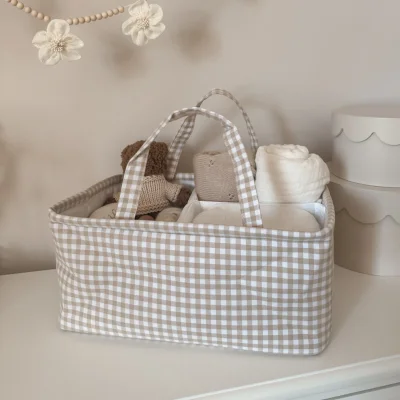
This is your anchor piece. A good nappy caddy keeps everything corralled in one spot so you are not rummaging through bags at 2am. Stock it with nappies (more than you think you will need), a pack of wipes, nappy cream, and a couple of nappy bags for the used ones.
The best caddies have divided compartments and a handle so you can carry the whole thing to a different room during the day. It sounds like a small thing, but having your supplies organised rather than scattered genuinely changes the experience.

Muslins (plural, always plural)
You will go through muslins at a pace that defies logic. Spit-up, dribble, the odd surprise nappy situation, a makeshift bib when you cannot find the real one. Stack at least three or four in your station and rotate them daily.
Larger muslin squares double as a light blanket if the room is warm, or a shoulder protector for post-feed burping. They are the Swiss Army knife of the newborn world and they absolutely earn their spot in the station.
A dim light source
This one is non-negotiable. You need enough light to see what you are doing, but not so much that you blast yourself and your baby into full wakefulness. Overhead lights are the enemy. You want something soft, warm-toned, and ideally adjustable.
A plug-in night light with a dusk-to-dawn sensor works well if you just need background glow. For something you can control more precisely, a portable light with adjustable brightness is gold. Some parents love the red or amber light options because they interfere less with melatonin production.
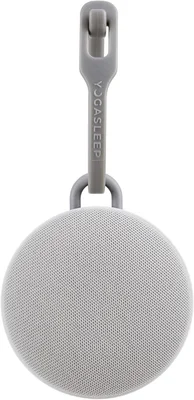
If your light source doubles as a white noise machine, even better. The combination of dim light and gentle background sound helps babies resettle faster after a feed, and honestly, it helps you too.

Feeding equipment
What goes here depends entirely on how you are feeding.
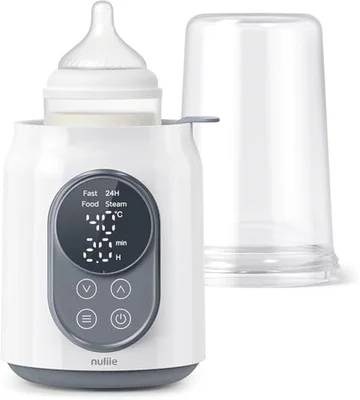
If you are bottle feeding: pre-measured formula in a dispenser (or pre-made cartons), a clean bottle, and a way to warm it. A portable bottle warmer that sits on your bedside table is a genuine game-changer for night feeds. It means you can warm milk without ever leaving the room, which keeps the whole process quieter and faster.
If you are breastfeeding: a feeding pillow, breast pads (stash extras, because leaking at night is a whole thing), nipple cream, and a reusable water bottle. Breastfeeding makes you spectacularly thirsty, and keeping water right there means you will actually drink it.
If you are combination feeding: keep both setups stocked. Some nights you will reach for the breast, some nights for the bottle, and having both options ready removes any midnight decision fatigue.
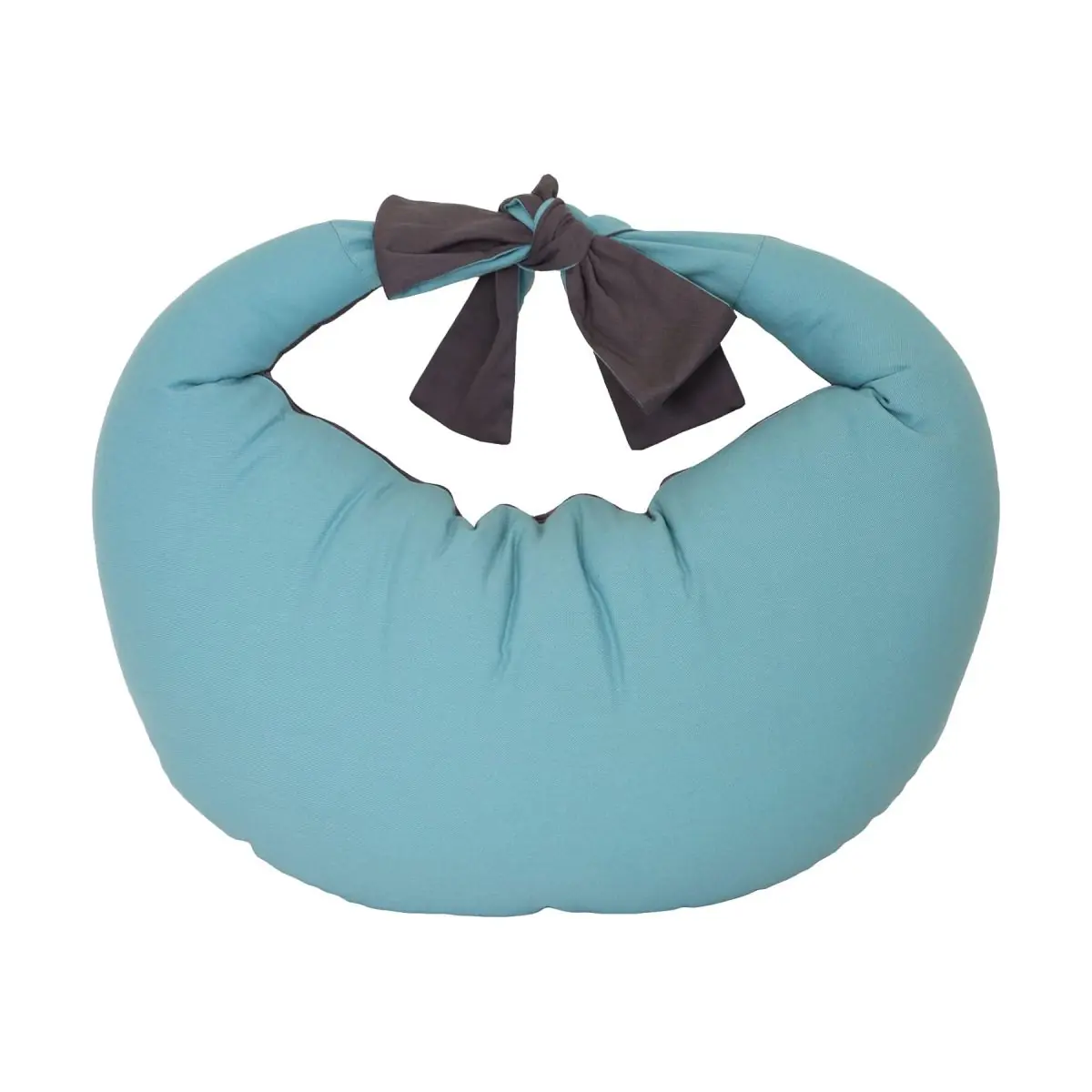
A feeding pillow
Whether you are nursing or bottle feeding, proper support makes a real difference to your comfort during those 20-minute sessions. A good feeding pillow takes the weight off your arms and keeps your baby at the right height, which means less strain on your back and shoulders.
This matters more at 3am than it does at 3pm, because you are tired, your posture is terrible, and you are probably hunched in a position that would make a physiotherapist weep. A pillow that wraps around your waist and locks in position is worth every penny.

Snacks and water for you
This is the part that gets overlooked, and it really should not be. Night feeds burn energy, especially if you are breastfeeding. Keep a water bottle and a few easy snacks in your station. Cereal bars, dried fruit, crackers, anything you can eat one-handed without making crumbs everywhere.
Looking after yourself during night feeds is not a luxury. It is how you keep going. ✨
The Nice-to-Haves
Once your essentials are sorted, there are a few extras that take your station from functional to genuinely lovely.
- A phone charger cable long enough to reach from the plug to your feeding spot. You will scroll. We all scroll. Might as well do it with a full battery.
- A spare change of baby clothes because there will be a night when a nappy leaks spectacularly and you will be so grateful you do not have to open a drawer.
- Lip balm and hand cream. Those small comforts matter more in the middle of the night than you would expect.
- A small notepad or your phone's notes app for tracking feeds if that helps you feel on top of things. Some parents love logging, others find it stressful. You do you.
How to Keep It Stocked Without Losing Your Mind
The single best habit you can build is a quick five-minute restock every evening. Before you go to bed, check your station like a pilot doing a pre-flight check. Enough nappies? Wipes full? Muslins fresh? Water bottle filled? Formula measured out or cartons ready?
It takes barely any time when you do it daily, and it prevents that horrible 3am moment where you discover you have run out of something critical. Ask your partner to do the evening restock if they are not on night feed duty. It is one of the most useful things a non-feeding parent can take ownership of.
When You Can Start Winding It Down
As your baby drops night feeds, your station will naturally shrink. By around four to six months, many babies are down to one or two feeds overnight, and your station might just be a bottle, a muslin, and a phone charger.
By the time night feeds are done entirely, you will probably feel a weird pang of nostalgia about the whole setup. Those quiet, dimly lit feeds, just you and your baby in the stillness, are the moments parents remember long after the sleep deprivation fades.
But for now? Set up your station, stock it well, and give yourself the gift of not having to think at 3am. Future you will be so grateful.
Ready to start building your list? Pop everything onto your BubsNest registry and let the people who love you help stock your station. 🍼
Ready to Create Your Baby Registry?
Start your free baby registry today and share it with friends and family.
Get Started Free