Your Night Feed Survival Kit: What to Keep Within Arm’s Reach
In the first six weeks you could face 250 night feeds. Here is what to keep next to you so every one goes as smoothly as possible.
In the first six weeks, the average newborn feeds between 8 and 12 times in every 24 hours. Roughly half of those happen between midnight and 6am. Run the numbers and you are looking at somewhere between 120 and 250 night feeds before things start to settle. That is not a typo, and it is not meant to scare you. It is meant to make the case for having a proper setup. 🍼
Because here is what nobody mentions in the antenatal class: night feeds are not about grit. They are about logistics. The parents who cope best are not the ones with the most energy or the strongest will. They are the ones who thought about what goes where before the sleep deprivation kicked in.
Why Your Setup Matters More Than Your Willpower
Picture the scene. Baby stirs. You have about 90 seconds before stirring becomes screaming. In that window, you need to find the light, locate a clean muslin, get into position, and start the feed before everything escalates.
If you are fumbling around in the dark trying to find the lamp switch, tripping over shoes, and realising the bottle you made earlier is still sitting on the kitchen counter downstairs, that 90-second window closes fast. The difference between a calm feed and a full meltdown often comes down to whether you have five or six things within arm's reach.
Think of it as a night feed station. It does not need to be fancy. It does not even need to be a specific piece of furniture. A chair, a corner of the bed, or a spot on the sofa with everything you need within grabbing distance. That is your station.
Light: Just Enough, Never Too Much
The biggest rookie mistake with night feeds is turning on the main light. It wakes everyone up properly, including the baby, and makes it ten times harder for both of you to drift back off afterwards.
What you want is a dim, warm glow. Just enough to see what you are doing, find the bottle or latch on, check the nappy situation, and not much more. A proper nursery night light with an automatic sensor means you do not even need to remember to switch it on. It comes on when the room is dark and stays off during the day.
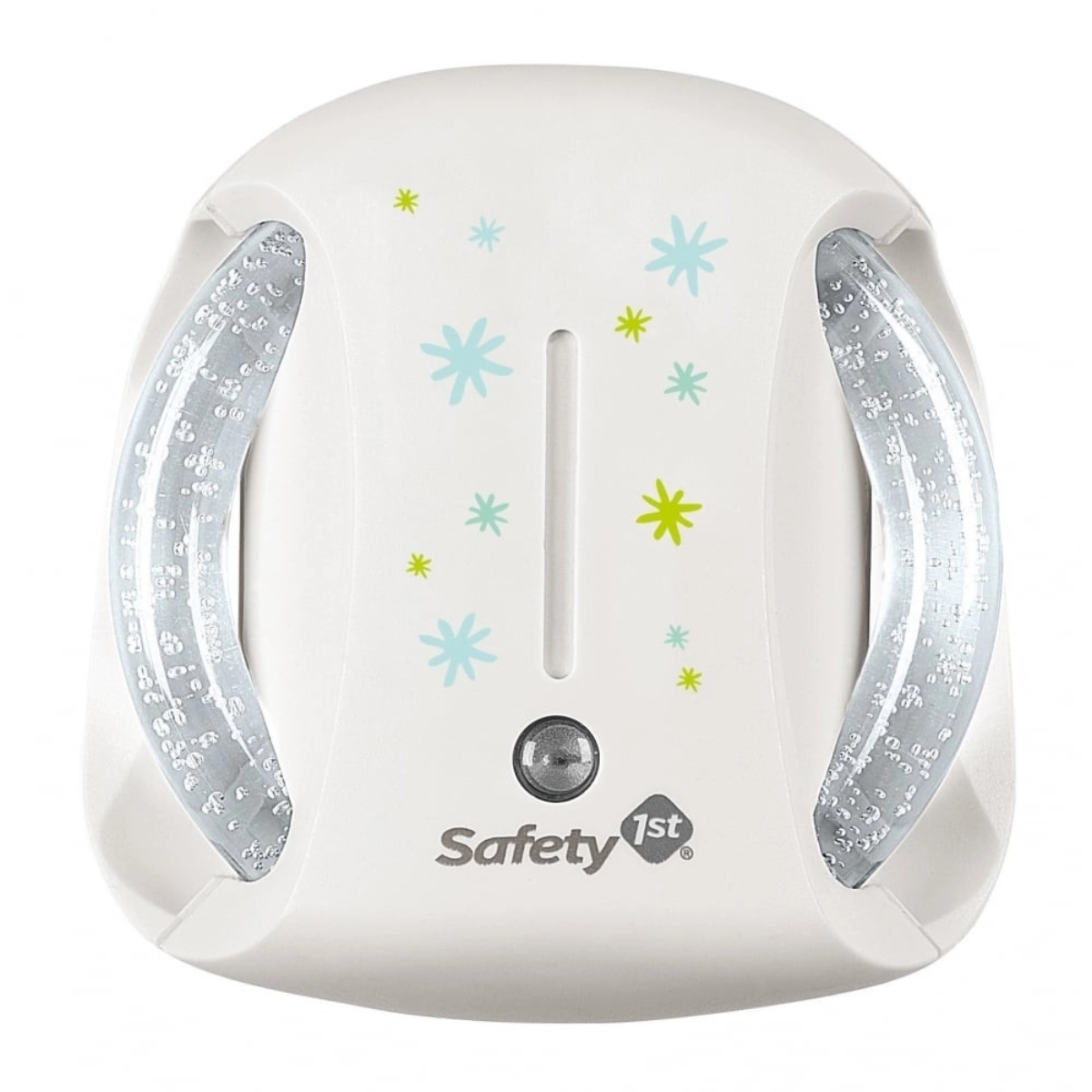

Red or amber tones are best. They do not suppress melatonin the way blue or white light does, which means your body keeps getting the "it is still nighttime" signal even while you are up and moving. It sounds small. At the fourteenth consecutive night, it does not feel small at all.
A Pillow That Actually Earns Its Spot
Feeding a baby takes longer than you think. A breastfeed can last 20 to 45 minutes. A bottle feed is usually quicker, but you still need to sit in a comfortable position for a good stretch, and doing that three or four times a night without proper support is a fast track to aching shoulders and a sore back.
A dedicated nursing pillow is one of those things that sounds like an unnecessary luxury until you have used one and realised your arms are not shaking from holding the baby at the right angle. The best ones wrap around your middle and bring the baby up to the right height so you are not hunching forward.
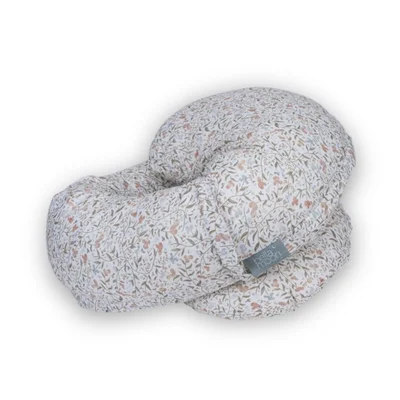

If you are breastfeeding, the right pillow can also help with latch, because baby is positioned at breast height rather than being held up by your increasingly wobbly arms. If you are bottle feeding, it frees up one hand so you can actually reach for the water you left on the side table.
Warm Milk Without the Kitchen Trip
For bottle-feeding parents, the midnight kitchen run is the part that breaks you. Carrying a crying baby downstairs, standing at the worktop waiting for water to heat while they escalate, then navigating back upstairs in the dark. It is exhausting and completely avoidable.
A bedside bottle warmer changes the game. Keep pre-measured formula and a bottle of water by the bed, or if you are using expressed breast milk, take it from the fridge before you go to sleep and let the warmer handle the rest. Some newer models even have a built-in night light, which means one less thing on the bedside table.
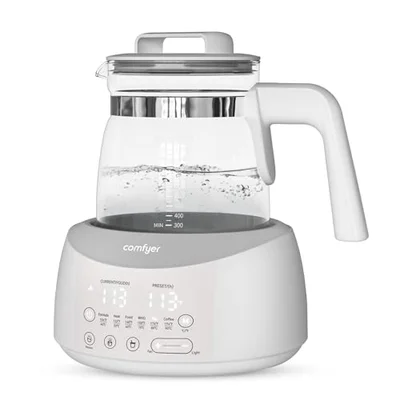

Even if you are exclusively breastfeeding, having a way to warm expressed milk means your partner can take one of the night feeds while you sleep through. That is not laziness. That is strategy. ✨
The Caddy: Your Bedside Command Centre
Once you have the light, the pillow, and the feeding sorted, everything else comes down to keeping it together, literally. A nappy caddy next to your feeding spot holds the things you grab without thinking: nappies, wipes, a clean muslin, nappy cream, a spare sleepsuit for when things go sideways.
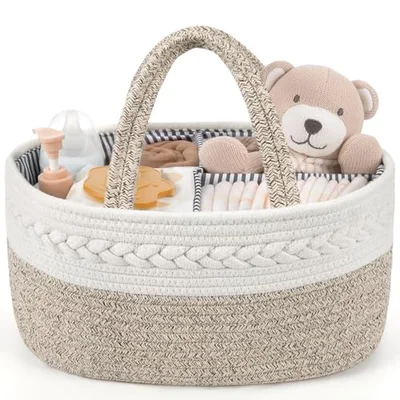
The key is to restock it every evening before bed. Spend two minutes loading the caddy and you will not be searching for wipes with one hand occupied in the middle of the night. It sounds obsessively organised. After the first week, it just sounds sensible.
The Free Stuff That Makes a Real Difference
Not everything in your night feed kit needs to be bought. Some of the most useful bits cost nothing.
- A full water bottle. You will be thirstier than you expect, especially if breastfeeding. Keep a large, refillable bottle topped up every evening.
- Snacks that do not need two hands. Flapjacks, cereal bars, bananas. Anything you can eat one-handed without crumbs ending up on the baby.
- A phone charger within reach. Your phone is your clock, your white noise machine, your portal to the outside world, and your proof that other people are also awake at silly hours scrolling parenting forums. Do not let it die.
- Lip balm and hand cream. The heating is on, the air is dry, and your hands are being washed constantly. Small comfort, big difference.
- A spare muslin. Always a spare muslin. Actually, make it two.
This Phase Has an Expiry Date
Here is the part that is hard to believe when you are in the middle of it: this phase ends. Most babies start stretching their longest sleep to four or five hours by around six to eight weeks. By three to four months, many are doing a proper chunk of night sleep, and night feeds drop to one or two.
You do not need to enjoy night feeds. You do not need to find them magical. You just need to make them manageable enough that you can get through them and fall back to sleep without your heart rate hitting the ceiling. A decent setup does exactly that.
And when the night feeds do finally stop, you will have a caddy, a pillow, and a night light that all find new uses in the nursery. Nothing wasted. 💛
Building your baby registry? Your night feed kit is worth adding. It is the sort of thing people love to gift but would never think to buy themselves.
Ready to Create Your Baby Registry?
Start your free baby registry today and share it with friends and family.
Get Started Free