Pelvic Girdle Pain in Pregnancy: Small Changes That Make Every Step Easier
Clicking hips, a sharp twinge on the stairs, dreading rolling over in bed? Here are the everyday tweaks that help with pelvic girdle pain, and when to ask your midwife for a physio referral.
Around one in five pregnant women will feel some kind of pelvic girdle pain. One in five! That is roughly one person in every antenatal class, every bump-and-coffee meet-up and every waiting room you sit in.
And yet it often gets brushed off as "just pregnancy aches". If putting on your knickers has become a balancing act, or the stairs feel like a small mountain, you are not being dramatic. You are dealing with something really common, and there is plenty you can do about it. 💛
So what is pelvic girdle pain?
Pelvic girdle pain (PGP) is the umbrella name for pain in the joints of your pelvis during pregnancy. You might also hear it called SPD, short for symphysis pubis dysfunction. It can show up at the front by your pubic bone, at the back near your bottom, in your hips, or down the inside of your thighs.
Some people notice a clicking or grinding feeling. Others describe a sharp catch when they stand on one leg. It can start in any trimester, and it varies a lot from person to person.
The important bit: it is common, but that does not mean you have to put up with it. If you notice pain in your pelvis, mention it to your midwife or GP. They can check what is going on and refer you to a women's health physiotherapist, often the single most helpful thing you can get.
Everything below is about making daily life easier alongside that support, not instead of it. So let's walk through your day, one tricky moment at a time.
Getting out of bed
The morning roll can be the worst part. The trick is to move like a log, keeping your knees together the whole way.
- Bend both knees, squeeze them gently together and roll onto your side as one unit
- Push yourself up to sitting with your arms while your legs swing down together
- Sit for a moment before standing, then stand with your weight spread evenly through both feet
Some people find satin pyjamas or a satin sheet makes rolling over in bed far smoother. Less friction, less faff.
Getting dressed
Standing on one leg to pull on trousers? That is often the moment the twinge arrives. Sit on the edge of the bed or a chair to put on knickers, leggings, socks and shoes instead.
Slip-on shoes are your friend right now. So is anything with a forgiving waistband that does not need wriggling into.
Many people with PGP find a supportive layer around the bump and lower back makes standing and walking feel steadier. Bump support leggings are an easy one because they are just... leggings. No extra straps to wrestle with in the morning.
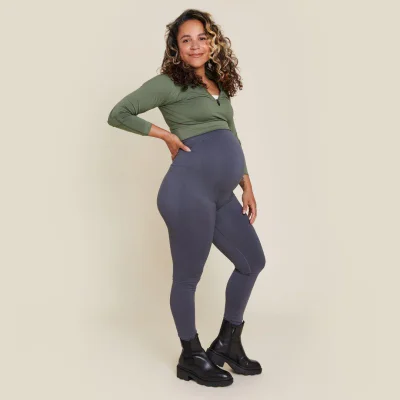

If you are curious about a proper support belt, ask your physio first. They can tell you whether one would suit you and how long to wear it.
Tackling the stairs
Stairs are a classic trigger because each step loads one leg at a time. A few tweaks help:
- Go up one step at a time, leading with your less sore leg
- Come down leading with the more sore leg
- Hold the handrail and take it slowly, there is no prize for speed
- Some people find going up backwards or sitting and shuffling easier on a bad day
Also worth a think: can you reduce the number of trips? Keep a basket at the bottom of the stairs and only carry things up once a day. A nappy-changing station downstairs will come in handy later anyway. 😉
Getting in and out of the car
Climbing into a car is basically a one-legged lunge with a twist. Not ideal.
Instead, sit down sideways on the seat first with your bottom going in before your legs. Then, keeping your knees together, swing both legs in at the same time. Reverse it to get out.
A plastic carrier bag on the seat helps you swivel more easily, just remove it before you drive off so you do not slide about.
Sitting at your desk or on the sofa
Sinking into a squashy sofa can feel lovely for ten minutes and then terrible when you try to get up. A firmer, upright seat with your hips slightly higher than your knees often feels better.
This is where a birthing ball earns its keep long before labour. Many people with pelvic pain find sitting on a ball comfier than a chair, and gentle hip circles can ease stiffness. Check with your physio which movements are right for you, and make sure the ball is the right size so your hips sit just above your knees.
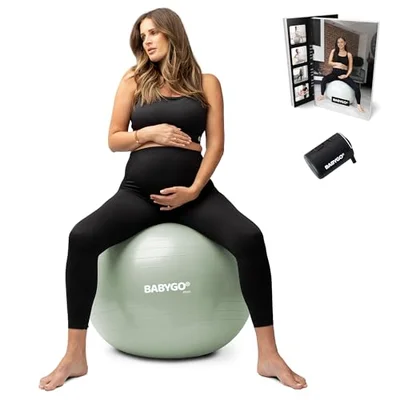

Whatever you sit on, try to keep your weight evenly spread. Crossing your legs or sitting with all your weight on one hip can make things grumpier.
Sleeping
Ah, sleep. Lying on your side with a pillow between your knees keeps your pelvis more level, which many people find takes the edge off. A long body pillow does even better because it supports your knees, bump and back all at once, so you are not juggling three separate cushions.
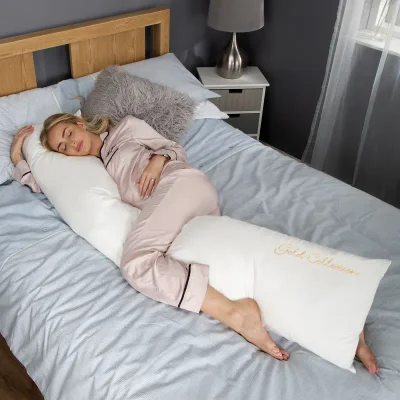

When you turn over in the night, use the log roll from earlier, keeping your knees together with the pillow still between them. It takes a little practice, but it soon becomes automatic.
Bonus: a long pillow often becomes a feeding support later on, so it is not a one-trimester purchase.
Around the house
The little everyday jobs add up. A few swaps that make a difference:
- Sit to do jobs you would normally stand for, like ironing or chopping veg
- Avoid pushing heavy things with your legs, like a full supermarket trolley or a loaded hoover
- Carry shopping in two lighter bags, one in each hand, rather than one heavy bag on one side
- Pace yourself, little and often beats one big push
- Rest before the pain kicks in, not after
This is also the moment to accept help. If someone offers to do the big shop, say yes. If your partner can take over the stairs-heavy laundry run, say yes again.
When to speak to your midwife or GP
PGP is common, but please do not grit your teeth through it. Speak to your midwife or GP if:
- Pain is making it hard to walk, sleep or do everyday things
- It is getting worse rather than settling
- You are worried about anything at all, there is no such thing as a silly question
Ask directly about a referral to a women's health physiotherapist. They can assess you properly, show you exercises and advise on things like support belts or crutches if needed. Sometimes it helps to name it: "I think I might have pelvic girdle pain, can I be referred?"
It is also worth talking about it before labour. Your midwife can help you note in your birth plan which positions feel comfortable, so the team looking after you knows how far your legs can comfortably part.
Be kind to yourself
PGP can feel frustrating, especially if you had pictured a glowing, active pregnancy. Slowing down is not giving up. It is looking after you and your baby.
And here is a small comfort: for many people, symptoms ease after the baby arrives. If they don't, your GP or physio can keep supporting you then too.
While you are taking it easy, why not let others help in a practical way? Add the comfort bits that make your days easier to your BubsNest wishlist, so friends and family know exactly what would help. Feet up, love. You have earned it.
Ready to Create Your Baby Registry?
Start your free baby registry today and share it with friends and family.
Get Started Free