Second-Hand Baby Gear: What's Safe to Buy Pre-Loved (and What to Always Buy New)
Not everything needs to arrive in cellophane. Here's your honest guide to which baby items are perfectly safe second-hand and which five to always buy new.
There are exactly five baby items you should never, ever buy second-hand. Everything else? Fair game.
That might surprise you. The baby industry has a rather profitable interest in making you believe that every single item touching your child needs to arrive in cellophane with a price tag that makes your eyes water. But the truth is, babies grow at a speed that would put bamboo to shame, and most gear sees about four months of use before it is outgrown, abandoned, or replaced by the next stage's must-have.
Buying pre-loved is not a compromise. It is actually the smart move for most of your list, and it is better for the planet too. You just need to know where the line is between "absolutely fine" and "always buy new." ♻️
The Items That Are Perfectly Safe Pre-Loved
Let us start with the good news. Most baby gear is built to last well beyond one baby, and buying it second-hand saves you serious money. Here is what you can happily snap up from marketplace listings, local parent sales, and hand-me-downs.
Pushchairs and Prams
A quality pushchair that has been used for a year or two has plenty of life left. Check the wheels roll smoothly, the brakes engage properly, the harness buckles click securely, and the frame folds without jamming. Give the fabric a good wash and you are sorted. You will often find pushchairs that cost £800 new going for £200 or less.
Baby Clothes
This one is almost too obvious to mention, but it is worth saying: babies wear most outfits roughly six times before they grow out of them. Second-hand baby clothes are often in near-perfect condition. Just give them a hot wash before first use and check for loose buttons or worn poppers.
Highchairs
Wooden highchairs especially last practically forever. Wipe it down, check the stability, replace the harness if it is looking tired, and you are good.
Toys and Books
Babies do not care whether their stacking cups arrived in a box or a charity shop bag. Give plastic toys a wash with soapy water, check for any cracks or sharp edges, and you will have a perfectly good collection without spending a fortune.
Moses Baskets and Cribs
The basket or crib frame itself is usually fine second-hand, provided there are no loose joints, broken slats, or missing hardware. The important caveat: always buy a brand-new mattress for it. More on that below.
Bouncer Chairs and Swings
These tend to get outgrown quickly and are often barely used. Test the reclining mechanism, check the harness, and you have saved yourself £50-150.
The Five Items You Should Always Buy New
Now for the non-negotiable list. These items either have safety standards that can expire, hygiene concerns you cannot fix with a wash, or hidden damage that could put your baby at risk. For these, it is worth spending the money on new.
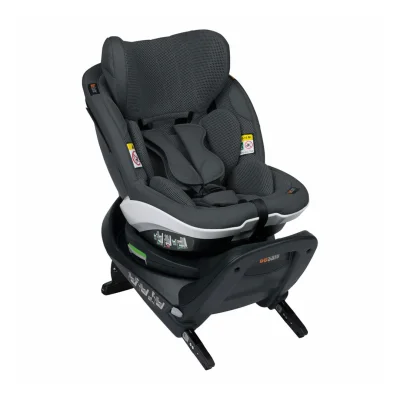
1. Car Seats
This is the big one. A car seat that has been in a collision, even a minor one, may have hairline cracks in the shell that are invisible to the naked eye but compromise its ability to protect your baby. Unless you are buying from someone you genuinely trust and can verify the seat has never been in an accident, has never been dropped from height, and has not expired (yes, car seats expire), always buy new.
Car seats also have expiry dates, typically 6-10 years from manufacture. Materials degrade over time, and safety standards evolve. A seat manufactured several years ago might not meet current i-Size regulations.
2. Cot and Moses Basket Mattresses
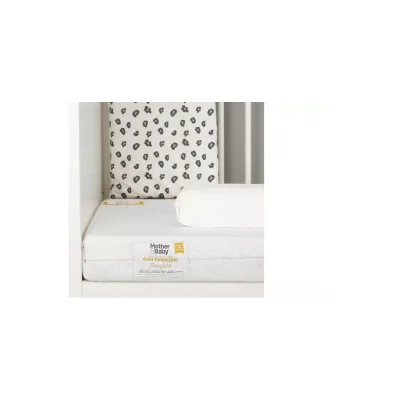
Sleep safety experts specifically recommend buying mattresses new. A used mattress may have mould or bacteria you cannot see, could have lost its firmness (a safety issue for newborns), and may not fit your specific cot perfectly. A snug, firm, flat mattress is one of the simplest ways to follow safe sleep guidelines.
The good news: cot mattresses do not need to be expensive. A well-made foam mattress with a waterproof cover is perfectly adequate.



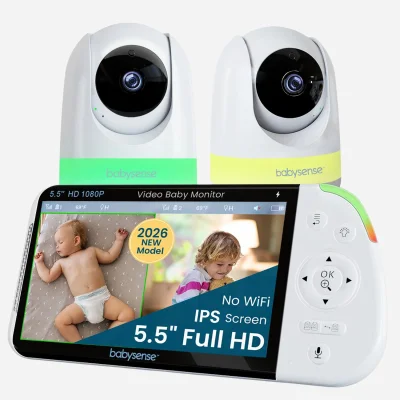
3. Baby Monitors
Technology moves quickly, and older monitors may have outdated security protocols (especially WiFi models), missing safety features, or compatibility issues. Battery degradation in second-hand units can also mean unreliable performance, which rather defeats the purpose. A monitor is something you rely on overnight, every night, so it is worth getting one that works flawlessly out of the box.
4. Breast Pumps
Unless it is a hospital-grade rental pump designed for multiple users, breast pumps are considered single-user items. Even with thorough cleaning, some internal parts cannot be fully sterilised, and there is a risk of mould or bacteria in the tubing. This one is worth the investment in new, even if it is a budget-friendly manual model.
5. Helmets and Head Protection
Like car seats, helmets are designed to absorb a single impact. You will not always know if a second-hand helmet has already done its job. For cycling helmets, toddler helmets, or any impact-rated headgear, always buy new.
The Quick Safety Check for Everything Else
Before you hand over money for any second-hand baby item, run through this quick checklist:
- Check for recalls - search the product name on your government's product recall page. It takes two minutes and could save you from a known safety issue.
- Look for safety marks - the CE or UKCA mark confirms the product met safety standards when it was made.
- Test all moving parts - buckles, catches, folding mechanisms, wheels, brakes. If anything feels loose, wobbly, or stiff, walk away.
- Check for missing parts - especially harnesses, covers, and instruction manuals (usually downloadable from the manufacturer's website if missing).
- Know the age - ask when the item was purchased. Safety standards change, and very old gear may not meet current regulations.
Where to Find Good Pre-Loved Baby Gear
You have got more options than just your mate's spare bedroom. Local parent group sales are brilliant, because the items are often quality-checked and the sellers are typically parents who looked after their things. Facebook Marketplace and local community groups often have barely-used items at a fraction of the cost. Charity shops in more affluent areas tend to have higher-quality baby gear. And apps like Vinted now have dedicated baby sections.
If you are building your list and want to keep track of what you are buying new versus what you are sourcing second-hand, creating a BubsNest wishlist lets you organise everything in one place, so family and friends know exactly what is still needed.
The Bottom Line
Buying second-hand does not make you a bad parent. It makes you a practical one. Your baby does not know or care whether their bouncer arrived in a box or a car boot, and the money you save on the things that do not need to be new can go towards the handful of items where new genuinely matters.
Be smart about the safety-critical stuff, be savvy about everything else, and spend that saved cash on something actually important. Like coffee. Lots and lots of coffee. ☕
Ready to Create Your Baby Registry?
Start your free baby registry today and share it with friends and family.
Get Started Free