Sleepover at Nana's: Planning Your Baby's First Night Away From Home
Your baby's first overnight at the grandparents' is a big moment for everyone. Here's how to plan the bed, the dark, the warmth, the food and the routine so the night goes smoothly.
The car is packed to the roof. There's a travel cot wedged behind the passenger seat, a bag of sleepsuits on your lap and a handwritten list that runs onto the back of the page. Nana has been ringing every hour since breakfast to ask what time you'll arrive.
Your baby? Fast asleep in the car seat, totally unbothered. 🚗
A first night away at the grandparents' is a lovely milestone. Maybe it's a weekend visit with you staying too, or maybe it's your first proper night off while they take charge. Either way, a little planning turns "I hope this works" into "that was easier than I thought".
Here's how to get every part of the night sorted, one piece at a time.
The Bed
Start here, because it matters most. Wherever your baby sleeps at Nana's, the safe sleep basics are exactly the same as at home.
- A firm, flat, waterproof mattress that fits snugly, with no gaps around the edges
- Baby on their back, feet to the foot of the cot
- No pillows, duvets, cot bumpers or soft toys inside
- No sleeping on the sofa or in an armchair, even "just for a minute"
Grandparents sometimes mean well and want to make the cot "cosy" with an extra folded blanket under the mattress. Gently explain that flat and firm is the cosy bit, and that guidance has changed a lot since they were raising babies. The Lullaby Trust website is a brilliant, friendly source to share if anyone needs convincing.
If the grandparents don't have a cot, a travel cot is the easiest fix. Practise putting it up at home first. Every travel cot has one clip that refuses to cooperate, and you'd rather meet it in your own living room than at 9pm in a dark spare room.
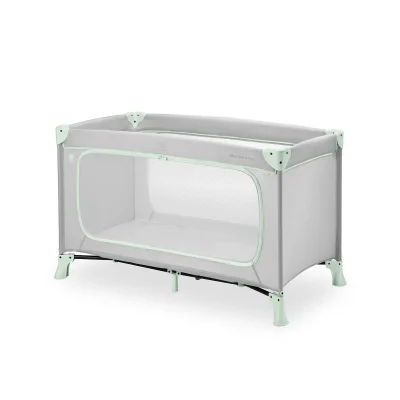

Top tip: if you're visiting regularly, a travel cot can be a great thing for grandparents to add to their own shopping list, so it just lives at their house. One less thing in the boot!
The Dark
Your nursery might be beautifully dark. Nana's spare room? It probably has thin floral curtains and a street light shining right through them. 🌙
Babies who are used to a dark room often notice the difference, especially around the early sunrise or when they surface between sleep cycles. A portable blackout blind solves this in about two minutes, and it folds into a bag pocket for every future visit.
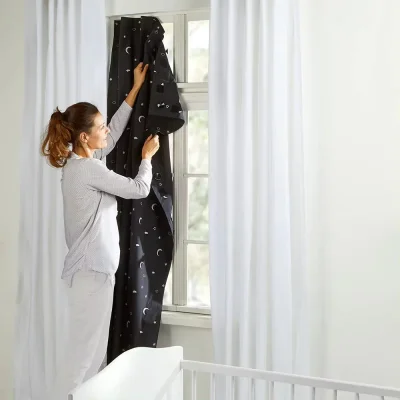

It's also worth bringing anything else that makes the room smell and sound like home. A familiar cot sheet that's been through your wash, the same sleep bag you use every night, and whatever sound your baby is used to, whether that's white noise or a playlist on your phone.
The Warmth
Here's a funny thing about grandparents' houses. They are very often toasty. Heating on high, windows shut, a cosy fug that feels gorgeous for a cuppa but less ideal for a sleeping baby.
A room temperature of around 16 to 20°C is generally recommended for babies. Pop a cheap room thermometer in your bag so you're not guessing, and don't be shy about asking for the radiator in the baby's room to be turned down. Most grandparents are only too happy to help once they know why.
Pack a lighter sleep bag alongside your usual one so you can switch depending on how warm the room is. For older babies, a 1 tog bag is a handy backup for warm rooms.
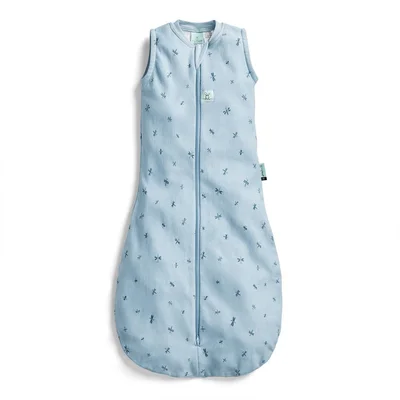

To check how your baby is doing, feel the back of their neck or their tummy rather than their hands and feet, which often feel cool. If they're sweaty or hot, take a layer off.
The Food
If your baby is weaning, mealtimes away from home can be surprisingly tricky. Where exactly do they sit? Nana's lap is lovely, but not for a bowl of spaghetti.
A foldable booster seat or portable feeding chair gives your baby a proper, secure place to eat at any table. It packs flat and is just as handy for picnics, holidays and visits to friends.


A few other food things to sort before you go:
- Write down what your baby eats and roughly when, including any foods you haven't introduced yet
- Bring familiar snacks and a favourite cup or bottle, as new tastes plus a new house can be a lot at once
- If you're leaving expressed milk or formula, label everything clearly and talk through how you prepare it
- Mention any allergies loud and clear, in writing as well as out loud
The Routine
You don't need to hand over a twelve-page manual. But a single sheet on the fridge saves a lot of phone calls. Keep it simple:
- Rough times for naps, meals and bedtime
- The bedtime steps in order (bath, milk, story, sleep bag, lights out)
- What usually settles your baby, and what definitely doesn't
- Your number, the GP surgery number and where the nearest out-of-hours service is
Then, and this is the hard part, let go a little. Grandparents might do things slightly differently, and that's OK. If your baby goes to bed twenty minutes late because they were having too much fun, nobody will remember it next week.
Expect a wobble too. New places can mean a later bedtime or an extra night waking. That doesn't mean it isn't working. It usually takes a couple of visits before a new room feels familiar.
The Grown-Ups
If it's your first night apart from your baby, you might feel giddy, guilty, teary or all three before you've even reached the end of the road. That's completely normal. 💛
Agree in advance how often you'll check in. One message at bedtime and one in the morning works well for lots of families. It reassures you without making the grandparents feel watched.
And if you're the one staying over too, give yourself permission to rest. Let Nana do the morning shift. Have a lie-in. Drink a hot tea all the way to the bottom. That's half the point of having a village.
Planning more visits? Add the travel bits to your wishlist so family can chip in. You can build yours over at BubsNest in a few minutes.
Ready to Create Your Baby Registry?
Start your free baby registry today and share it with friends and family.
Get Started Free