Starting Nursery: How to Prep Your Toddler (and Yourself) for the Big Day
The settling-in letter has arrived and the feelings are... a lot. Here is everything you actually need to know about preparing your little one for nursery, from practical kit to emotional readiness.
The email arrives on an ordinary Tuesday. Your child has been offered a nursery place. You read it twice, feel a rush of relief that the waitlist gods have smiled upon you, and then a second feeling creeps in. Something that sits somewhere between excitement and the overwhelming urge to clutch your toddler and whisper "you are still my baby" into their hair.
Both feelings are completely valid. Starting nursery is a milestone for the whole family, not just the small person who will be doing the finger painting. And the good news? A little preparation goes a surprisingly long way.
How Do You Know They Are Ready?
Most children start nursery somewhere between nine months and three years old, and there is no magic age when readiness clicks into place. Some toddlers are social butterflies at fourteen months. Others take a bit longer to warm up to new faces, and that is perfectly fine too.
A few gentle signs your child might be ready: they show curiosity about other children, they can cope with short separations from you (even just being in a different room with a grandparent), and they are starting to enjoy simple play activities like stacking, drawing, or water play. If your little one does not tick every box, that is okay. Nursery staff are genuinely brilliant at helping children settle at their own pace.
The Settling-In Period
Almost every nursery offers a phased introduction, and it is one of the best things you can do for everyone involved. Typically this means a couple of short visits where you stay, followed by brief sessions where you leave and come back.
The first time you walk out of that door without them will feel enormous. You might sit in the car park refreshing the nursery app, or wander around a supermarket in a daze because you suddenly have two free hands and absolutely no idea what to do with them. That is normal. The strange quiet takes getting used to. 🫶
Most children cry at drop-off during the first week and then stop approximately forty-five seconds after you leave. The staff know this. They have seen it thousands of times. Trust them when they say your child was fine by the time you reached the car park.
What They Will Actually Need
Nurseries will send you a list, and it will probably feel intimidatingly long. Here is what genuinely matters.
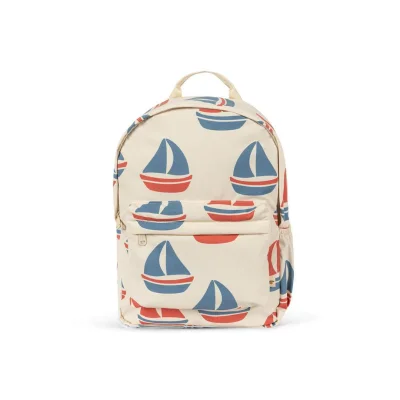
- A small backpack. Big enough for a change of clothes, their comfort item, and maybe a sun hat. Nothing enormous. They need to be able to carry it themselves (even if they only manage the walk from the car to the door).

- Spare clothes. At least one full change. Ideally two. Nursery involves water play, mud kitchens, art projects, and the kind of enthusiastic lunch-eating that covers every surface within a half-metre radius. Label everything.
- A named water cup or bottle. Most nurseries ask you to send one in daily. Pick something leak-proof that your child can manage independently, because the staff are juggling twelve toddlers and cannot unscrew a complicated lid for each one.


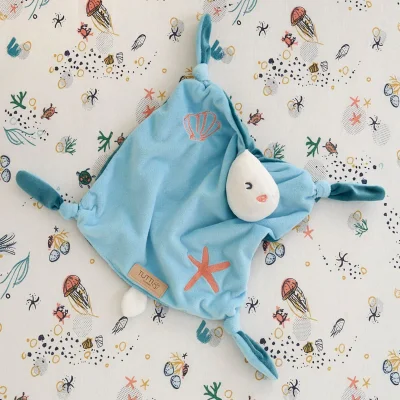
- A comfort item. A small comforter, muslin, or favourite soft toy can make an enormous difference during settling in. It smells like home and gives them something familiar to hold when everything else is new. Some nurseries keep these in the child's tray for nap times or wobbly moments.

- Nappies and wipes (if they are still in them). Some nurseries provide these, others ask you to supply your own. Check the list.
- Sun cream and a hat in summer. Most settings need a signed consent form before they can apply sun cream, so sort that paperwork early.
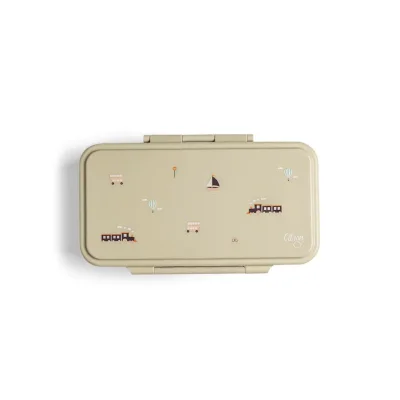
If your nursery provides meals, brilliant. If they ask for a packed lunch, keep it simple. Small portions, easy to eat with fingers or a spoon, nothing that needs heating. A decent lunchbox with separate compartments makes life easier for everyone.
Handling Drop-Off (Theirs and Yours)
Here is the single most helpful piece of drop-off advice that every nursery worker will tell you: keep it short. A warm cuddle, a cheerful "see you later!", and go. The longer you linger, the harder it gets for both of you.
Resist the urge to sneak away when they are not looking. It might avoid tears in the moment, but it can make separation anxiety worse because they learn that you might vanish without warning. A clear, confident goodbye teaches them that you leave and you always come back. That predictability is what builds trust.
If your child is going through a particularly clingy phase, talk to the key worker. They can meet you at the door, take your child for a special activity, or suggest a different routine that might help. These people are professionals and they genuinely want your child to be happy.
And if you cry in the car park? Welcome to the club. Membership is enormous and there is no shame in it whatsoever. 💛
The Adjustment Period at Home
Do not be alarmed if your child is an absolute nightmare for the first few weeks of nursery. This is textbook toddler behaviour and it has a name: "after-nursery restraint collapse." They have spent all day being brilliant and holding it together in a new environment, and then they come home and fall apart because home is their safe space.
You might also notice they are more tired than usual, sleep differently, eat more or less, or suddenly become incredibly clingy at bedtime. All of this is temporary. Their little brains are processing an enormous amount of new information, new people, new routines, new sounds, and it takes energy.
Keep home evenings calm and low-key. A familiar bath routine, an early bedtime, and lots of quiet cuddles will help more than any Pinterest-worthy activity.
The Illness Thing
We are not going to sugarcoat this one. Your child will get ill. A lot. Especially in the first six months. Colds, coughs, hand-foot-and-mouth, conjunctivitis, the mysterious "nursery lurgy" that seems to cycle through every family on a fortnightly basis.
It is genuinely miserable, and it will test your patience and your annual leave allowance. But it is also completely normal, and it is actually their immune system doing exactly what it needs to do. Every paediatrician will tell you the same thing: children who start nursery earlier tend to get the bulk of their illnesses out of the way before school, when absences matter more.
Stock up on paracetamol, tissues, and patience. You will get through it.
It Gets Easier (and Then It Gets Wonderful)
Somewhere around week three or four, something shifts. The drop-off tears stop. Your child starts talking about their friends by name. They come home singing a song you have never heard before, or doing a hand action you definitely did not teach them. They bring home a painting that is ninety percent glitter and ten percent paper, and you stick it on the fridge like it belongs in the Tate.
Nursery gives your child something you cannot replicate at home, no matter how many playgroups you attend: the chance to be part of a little community, to navigate friendships, to learn that other grown-ups can be trusted, and to discover that the world is bigger and more interesting than they imagined.
It gives you something too. Whether that is space to work, time to breathe, or simply the chance to drink a cup of tea while it is still hot, it matters. You are allowed to enjoy it.
Starting nursery is not the end of anything. It is just the beginning of a new chapter, and honestly? It is a pretty good one. You can start pulling together everything your little one needs on your BubsNest wishlist.
Ready to Create Your Baby Registry?
Start your free baby registry today and share it with friends and family.
Get Started Free