Starting Weaning: The Gear You Actually Need (and How to Survive the Mess)
Everything you need to know about weaning gear, from highchairs to coverall bibs to suction plates, plus how to make peace with the truly spectacular mess.
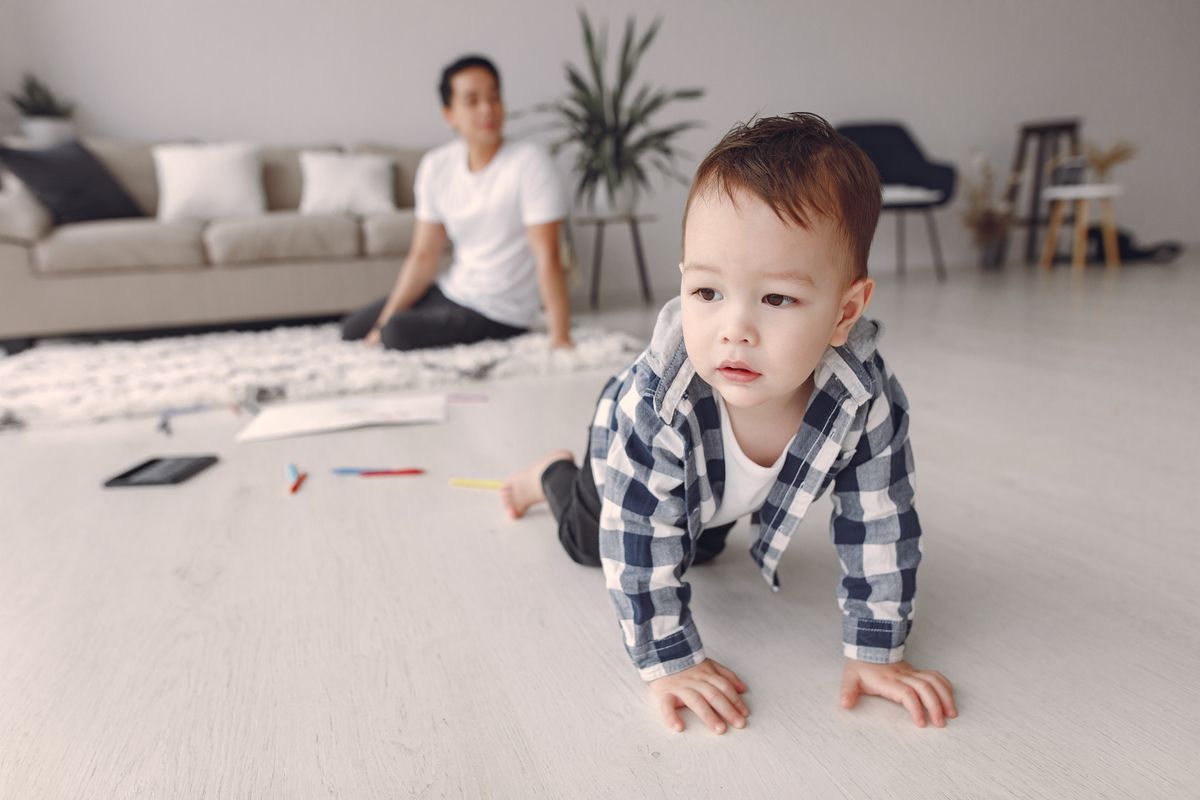
Here is a statistic that will either reassure you or terrify you, depending on where you are in your weaning journey: the average baby needs between 10 and 15 exposures to a new food before they will willingly eat it. Ten to fifteen. That means the sweet potato you lovingly steamed, mashed, and offered on a tiny spoon? It is going to end up on the floor, smeared across the highchair tray, rubbed into your baby’s eyebrows, and possibly launched at the dog. Repeatedly. For days.
And that is completely, wonderfully normal. 🍌
Weaning is one of those milestones that sounds straightforward until you actually try it. “Just give them food,” people say, as though that explains the highchair selection, the bib situation, the plates-that-stick versus plates-that-fly debate, and the sheer volume of sweet potato that ends up in places sweet potato should never be.
So here is everything you actually need to get started, what you can skip entirely, and how to make peace with the mess.
When to Start: The Signs That Matter
Current guidance recommends starting solids at around six months. But the calendar date matters less than the signs of readiness. You are looking for three things happening together: your baby can sit up with minimal support, they have lost the tongue-thrust reflex (so they are not pushing everything straight back out), and they are showing genuine interest in food, reaching for it, watching you eat, opening their mouth when food comes near.
If your baby is doing all three, you are probably good to go. If they are grabbing your toast but still face-planting when you let go of them, give it another week or two. There is no rush.
The Highchair: Your Most Important Purchase
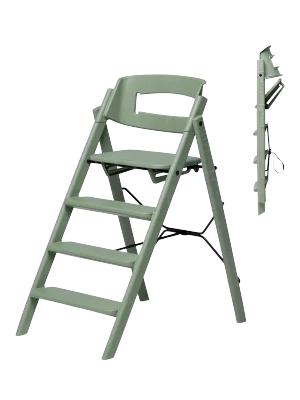
Of all the weaning gear you will buy, the highchair is the one worth thinking about properly. You will use it multiple times a day for at least two years, so comfort, cleanability, and a good footrest matter far more than how it looks on Instagram.
A footrest is the bit most people overlook. When your baby’s feet dangle, they are less stable, less comfortable, and less focused on eating. A proper footrest makes a surprisingly big difference to how well mealtimes go.
Look for something with a wipeable seat, a removable tray (you will want to wash it separately, trust us), and ideally an adjustable height so your baby can join the family table when they are ready. Wooden highchairs that grow with your child are brilliant long-term investments.

The Bib Situation: Coveralls Are King
You will be told you need silicone bibs with a little food catcher at the bottom. They are fine for tidy spoon-fed meals. But for the reality of early weaning, especially if you are doing any baby-led weaning at all, you need something that covers a lot more than just the chest.
A long-sleeved coverall bib is genuinely one of the best purchases you can make. It covers arms, chest, and lap, catching the food that would otherwise soak through every outfit your baby owns. Some coverall bibs even have a tray attachment so food drops back onto the highchair tray instead of the floor.
Buy at least two so you always have a clean one ready. They go through the washing machine, dry quickly, and save you approximately four outfit changes per day. 👶

Plates, Bowls, and the Suction Situation
There are two types of baby plates: the ones that stick to the tray, and the ones that get immediately frisbeed across the kitchen. You want the first kind.
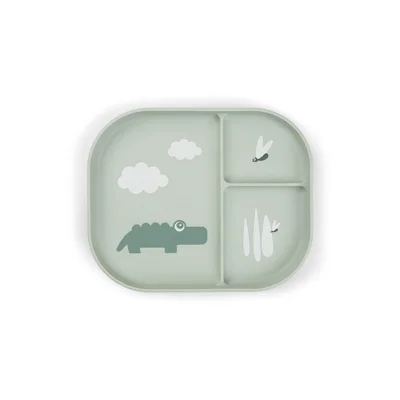
Silicone plates and bowls with suction bases are a game-changer. They grip the highchair tray firmly enough that your baby cannot fling them (most of the time, anyway), and they are soft enough that there is no risk of injury when little hands inevitably try to prise them off.
Compartment plates are particularly useful because they let you offer a few different foods without everything merging into one beige puddle. A bit of avocado here, some steamed carrot there, maybe a few pieces of toast soldier on the side. Babies are surprisingly opinionated about their food touching, even at seven months.
Spoons, Cutlery, and Letting Them Try
If you are doing traditional weaning with purees, you will need a set of soft-tipped spoons. Silicone is gentler on new gums than metal, and the flexible tips make it easier to scrape food from the bowl without your baby clamping down and refusing to let go (it happens).
Even if you are doing baby-led weaning, pre-loaded spoons are brilliant. You load the spoon with something like yoghurt or porridge, then hand it to your baby to put in their own mouth. It gives them independence while still getting food in, which is the whole point.


As your baby gets more confident (usually around 8 to 10 months), you can introduce chunky toddler cutlery. Short handles, thick grips, and rounded edges make it easier for small hands to manage. Do not expect elegance. But the practice matters, and most babies love the independence of having their own fork and spoon, even if they mostly use them as drumsticks.

Cups: Introducing Water Early
From six months, your baby can start having small sips of water with meals. You do not need a special cup for this. An open cup works brilliantly, and it is actually better for oral development than a sippy cup with a valve.
In practice, though, an open cup at six months means water absolutely everywhere. A small free-flow cup or a cup with a straw is a good middle ground. Your baby will mostly chew the straw, tip the cup upside down to watch the water come out, and occasionally actually drink some. Progress.
What You Can Skip
The weaning aisle is enormous and designed to make you feel like you need one of everything. You do not. Here is what you can safely leave on the shelf:
- A dedicated food processor or baby food maker. A fork and a regular blender do exactly the same thing. Or just offer finger food and skip purees entirely.
- Freezer trays specifically for baby food. An ice cube tray works identically and costs about 90% less.
- Special baby water. Cooled boiled tap water is absolutely fine from six months.
- Pouches for every meal. Handy for travel, but not a mealtime replacement. Babies need to experience actual textures, not just suck puree from a spout.
Making Peace with the Mess
This is the part that catches everyone off guard: weaning is messy. Spectacularly, impressively, how-did-it-get-on-the-ceiling messy. And that mess is actually a good sign.
When your baby squishes food between their fingers, smears it on their face, and drops it on the floor, they are learning. They are exploring texture, temperature, smell, and taste. They are developing their pincer grip. They are figuring out cause and effect (I drop this, it falls). It looks like chaos. It is actually development.
A few things that help: a splash mat or old shower curtain under the highchair catches the worst of it. Strip your baby down to just a nappy and a coverall bib on particularly messy days. And get comfortable with the fact that your dog is going to eat better than you for the next few months. 🐶
The Bottom Line
Weaning does not need to be complicated or expensive. A decent highchair, a good coverall bib, some suction plates, a set of silicone spoons, and a relaxed attitude towards mess will get you through the first few months beautifully. Everything else is optional.
Your baby does not care whether their plate matches their bib. They do not care about the perfect first food or the optimal puree-to-finger-food ratio. They care about exploring, tasting, and sitting at the table with you. Start there, and the rest will follow.
Ready to add weaning essentials to your registry? Pop them on your BubsNest wishlist so your friends and family know exactly what to get. 🎁
Ready to Create Your Baby Registry?
Start your free baby registry today and share it with friends and family.
Get Started Free