What to Pack in Your Changing Bag (and How to Actually Leave the House)
The essential changing bag checklist that keeps things simple, plus the restock trick that means you never leave home without nappies again.
The first time you try to leave the house with a newborn, it feels like packing for a two-week holiday. Nappies, wipes, spare clothes, more nappies, a muslin, three more muslins, a blanket in case it gets cold, a hat in case it gets sunny, snacks for you because you forgot to eat breakfast, and by the time you have actually zipped the bag shut your baby needs feeding again. Sound familiar? 🎒
Here is the thing, though. After a few weeks of lugging half your house around, you start to realise that most of what is weighing your bag down never gets used. And the one thing you genuinely need (a spare vest, always a spare vest) is the thing you forgot.
This is the changing bag checklist we wish someone had handed us on day one. Stripped back to what you will actually reach for, plus a few surprise lifesavers, and a simple restock routine that means you never find yourself in a cafe toilet with zero wipes.
The Non-Negotiables
These are the items that earn their place in your bag every single time you leave the house. No debates.
Nappies. Pack more than you think. For a short trip (under two hours), three should do it. For a longer outing, take five or six. Newborns have a knack for going through them in pairs, usually right after you have finished putting a fresh one on.
Wipes. A travel pack lives in the bag permanently. Top it up, do not rely on remembering to grab one on the way out. Wipes are not just for bums, either. They clean hands, faces, surfaces, that mysterious stain on your top, and the cafe highchair that looks like it last saw a cloth sometime in 2019.
A portable changing mat. You will thank yourself for this one. Public changing tables are not always the cleanest, and sometimes the only option is a bench, a car boot, or the floor. A padded, wipeable mat gives you a clean surface anywhere and rolls up small enough to slot into the side pocket of your bag.

Nappy bags. The unsung hero of the changing bag. You need them for dirty nappies (obviously), but also for sealing away that soaked-through vest, a used bib, or a banana skin that has nowhere else to go. Compostable ones are a lovely option if you want to feel slightly less guilty about the mountain of nappy waste a baby produces.


A spare outfit. One full change of clothes. Not three outfits for every possible weather scenario. One vest, one sleepsuit or outfit, one pair of socks. If your baby has a blowout so catastrophic it requires a second change, it is probably time to go home anyway.
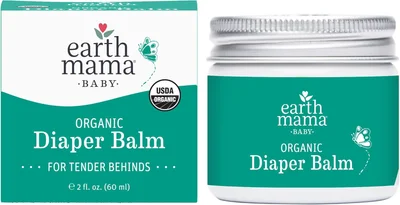
Nappy cream. A small tube or tin that stays in the bag. You do not need to bring the full-sized tub from the nursery. A little barrier cream at every change helps prevent nappy rash before it starts, and calendula-based balms are gentle enough for newborn skin without any fuss.
The Lifesavers You Didn't Know You Needed
These are the items that separate a stressful outing from a smooth one. None of them are essential in the survival sense, but they will make your life noticeably easier.
Two muslins. Not ten. Two. A muslin works as a burp cloth, a light blanket, a breastfeeding cover, a sun shade, a clean surface, and in a pinch, a makeshift bib. They are the Swiss Army knife of parenting. Roll them tight and they barely take up any room.
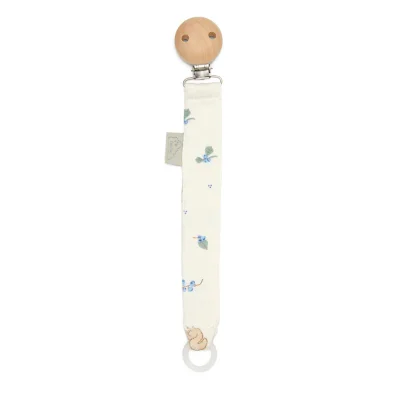
A dummy and a holder. If your baby takes a dummy, you already know the horror of dropping one on a pavement and watching it roll under a bench. A clip-on holder keeps it attached to their clothes, clean and within reach. It sounds like a tiny thing until the day it saves you from a twenty-minute meltdown outside a supermarket. 🍼

A snack for you. This one gets overlooked every time, and it should not. You are running on less sleep than you have ever had in your life. Your blood sugar is doing things it has never done before. Throw a cereal bar, a banana, or a packet of biscuits into the bag and keep it topped up. Future you will be very grateful at 2pm when you realise you have not eaten since 7am.
A small toy or comforter. From around eight weeks, having something your baby can look at or hold can buy you five minutes of calm when you need it. A soft rattle, a crinkly toy, or their favourite comforter. Just one, not the entire toy box.
Hand sanitiser. Not every changing spot has a sink nearby. A small bottle clipped to the bag handle means clean hands without having to track one down while holding a freshly changed baby.
What You Can Safely Leave at Home
Overpacking is the number one changing bag mistake, and every new parent makes it. Here is what you can ditch.
Multiple outfit options. Your baby does not need a selection. They need one spare set. That is it.
Full-sized products. You do not need a 500ml bottle of bath wash for a trip to the park. Decant into travel sizes or buy minis specifically for the bag.
A first aid kit. For day-to-day outings, a couple of plasters and some Calpol sachets are plenty. The full kit stays at home.
Five blankets. One lightweight blanket or a muslin covers most situations. If it is genuinely cold, dress your baby warmly before you leave rather than packing layers to add later.
Books, toys, and entertainment for a newborn. Under three months, your baby is entertained by your face, your voice, and the ceiling. The toys can wait.
The Restock Routine That Changes Everything
Here is the secret to never being caught short: you restock the bag as soon as you get home. Not later. Not before bed. The moment you walk through the door.
It takes two minutes. Check nappies, top up wipes, replace the spare outfit if you used it, throw in a fresh snack. That is it. Your bag is now ready for tomorrow, and you have removed one decision from a morning that will already have plenty of them.
Some parents keep a small basket by the front door with backup supplies: a stack of nappies, a pack of wipes, a spare outfit. When the bag comes home, you refill from the basket. When the basket runs low, you add it to the weekly shop. Simple system, zero thinking required.
Feeding Bits
What goes in the bag for feeds depends entirely on how you are feeding.
Breastfeeding? You mostly need yourself (the main equipment) and maybe a muslin for cover if that is your preference. Some parents add breast pads and a water bottle, both of which earn their space.
Bottle feeding? Pre-measured formula in a dispenser, a sterilised bottle, and a flask of hot water. If you are using ready-made cartons, even easier: just a bottle and a carton. Some bags have insulated pockets designed for exactly this, which keeps everything at the right temperature without extra kit.
Combination feeding? One bottle setup plus a muslin. You do not need to bring supplies for every possible feeding scenario. Bring whatever you are most likely to use on that specific outing.
A Quick Word About the Bag Itself
You do not need to spend a fortune on a dedicated changing bag, but you do need something with a few key features. Multiple compartments (so you are not rummaging through a black hole every time you need a nappy), a wipe-clean lining (because something will leak eventually), and comfortable straps if you are carrying it for any length of time.
A backpack style is brilliant if you are also pushing a pram, because it keeps your hands free. A tote or messenger bag works well if you prefer quicker access. There is no wrong answer here, just whatever fits your actual life.
The Real Goal
The point of a well-packed changing bag is not perfection. It is freedom. It is being able to say yes to a coffee with a friend, a walk in the park, or a trip to the shops without spending twenty minutes wondering if you have packed enough.
Your bag does not need to cover every possible scenario. It needs to cover the most likely ones. And with the restock routine in place, you will get out the door faster than you ever thought possible with a small human in tow.
Now go. Leave the house. You have got this. And if you forget something? That is what corner shops are for. 💛
Building your baby essentials list? Add everything to your BubsNest registry and let friends and family help with the bits that matter.
Ready to Create Your Baby Registry?
Start your free baby registry today and share it with friends and family.
Get Started Free