The Baby First-Aid Box: What to Keep in the Cupboard Before You Need It
A calm, practical checklist for your home baby first-aid box, from thermometers and infant pain relief to saline drops, plasters and the phone numbers worth knowing by heart.
Quick question. If your baby felt hot tonight, could you lay your hands on a working thermometer in under a minute?
Not the one with the flat battery. Not the one that might be in the changing bag, or the car, or your mum's house. A working one, right now.
If you hesitated, you are in very good company. Most of us build a beautiful nursery and a carefully curated wishlist, then realise the medicine cupboard still holds one out-of-date box of plasters and a tube of something from 2019. 😅
So let's fix that, calmly and in daylight, before you ever need it. Here is what goes in a baby first-aid box, item by item.
The Box Itself
Start with the container, because it matters more than you think. You want one clearly labelled box, kept up high or in a locked cupboard, well out of reach of curious hands.
Pick something with a lid that clicks shut and is big enough to hold everything flat. A clear plastic storage box works brilliantly, because you can see at a glance what is running low.
- Keep it in the same place, always. Tell your partner, grandparents and babysitter where it lives.
- Tape a small card inside the lid with your baby's date of birth and latest weight. You will be asked both, often.
- Put a reminder in your phone every three months to check expiry dates and batteries.
The Thermometer
If you only buy one thing from this list, make it this. A reliable digital thermometer is the single most useful item in any baby first-aid box.
Ask your health visitor which type they recommend for your baby's age. For little babies, a digital thermometer used under the armpit is the usual advice, and ear or forehead thermometers become handier as they grow. Whichever you choose, practise using it when your baby is well, so you know what a normal reading looks like for them.
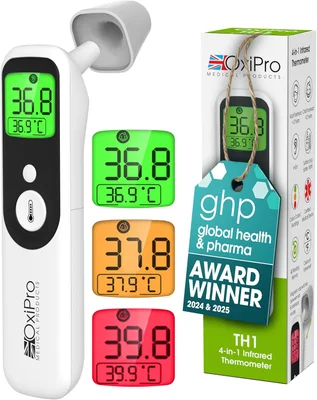

One golden rule: a thermometer gives you a number, not a diagnosis. If you are worried about your baby's temperature, or anything else, trust your gut and call your GP or 111 for advice.
Infant Pain Relief
Having infant paracetamol in the house before you need it saves a frantic late-night dash to an all-night chemist. Infant ibuprofen is often kept alongside it for older babies.
The important part is not the brand, it is the dose. Doses depend on your baby's age and weight, and there are minimum ages on every packet, so always:
- Read the leaflet every single time, even if you think you remember it.
- Use the syringe or spoon that comes in the box, never a kitchen teaspoon.
- Write down the time and amount of every dose, so nobody accidentally doubles up.
- Ask a pharmacist or your GP before giving any medicine to a young baby, and if you are unsure whether it is right for them.
Top tip: stick a note on the inside of the box lid with a simple dose log. Partners who have been asleep for four hours will thank you.
Snuffly Noses
Babies breathe mostly through their noses, which is why a blocked one can make feeds and sleep so tricky. A gentle saline spray or drops is a handy, simple thing to keep in the box.
Salt water sprays are designed to loosen things up so your baby can clear their nose more easily. Check the age guidance on the packet, and ask your pharmacist if you are not sure which suits a very young baby.

If your baby is struggling to breathe, feeding much less than usual, or just seems not themselves, don't wait it out. Ring your GP or 111, or 999 in an emergency.
Little Cuts and Bumps
Once your baby is rolling, crawling and pulling themselves up on the coffee table, small knocks become part of daily life. Nothing dramatic, just the odd scrape and a lot of indignant crying.
Keep a small grab-bag of basics:
- Plasters in a few sizes, ideally fabric ones that stay on wriggly limbs.
- Sterile non-stick dressings and a roll of soft medical tape.
- Sterile saline pods or cooled boiled water for gently rinsing a graze.
- A reusable cold pack, wrapped in a muslin, for bumps.
- Round-ended scissors and a pair of tweezers for splinters.
For any head bump, cut that won't stop bleeding, or anything you are not sure about, get it checked. That is exactly what your GP, 111 and minor injuries units are there for.
The Little Bits That Get Lost
Then there are the tiny items that are always in the wrong drawer when you need them. Baby nail clippers. A soft brush. The medicine dropper you swore was in the bathroom.
A healthcare and grooming kit is a neat way to gather them all into one zipped case, and it slots straight into your first-aid box. It also makes a lovely, genuinely useful wishlist gift.
While you are at it, add a small torch (for looking in ears and mouths on a dark night) and a pack of unscented baby wipes.
The Things You Can't Buy
Here is the part of the box that costs nothing and might matter most. Knowledge.
- Save the numbers. Your GP surgery, 111, your health visitor and the nearest children's A&E. Add them to your partner's phone and the babysitter's too.
- Book a baby first-aid course. St John Ambulance and the British Red Cross both run short, friendly sessions on choking and CPR. Many baby groups host them too.
- Keep the red book handy. Your baby's personal health record lives right next to the box.
A two-hour course is honestly one of the most reassuring things you can do as a new parent. You will hopefully never use it, and you will feel calmer every single day because you know you could.
Put It on the Wishlist
None of this is glamorous, we know. Nobody coos over a thermometer at a baby shower.
But friends and family love knowing they have bought something you will genuinely use, and a stocked first-aid box is the kind of present that keeps on giving. Add the bits you need to your BubsNest wishlist and let the grandparents fight over who gets to buy the grooming kit. 💛
Ready to Create Your Baby Registry?
Start your free baby registry today and share it with friends and family.
Get Started Free