Returning to Work After Maternity Leave: The Stuff That Actually Helps
Heading back to work after mat leave? Here is the practical, honest guide to settling your baby, surviving the morning rush, and managing the guilt.
The bag is packed by the front door. The outfit is hanging on the wardrobe handle. Your lunch is in the fridge, labelled with your name like it is your first day of school. And you are sitting on the sofa at 9pm on a Sunday evening, holding your sleeping baby, quietly crying into their hair. Tomorrow you go back.
If this is you right now, or if this is going to be you in a few weeks, here is the thing every returning parent needs to hear: you are allowed to feel all of it. The dread, the guilt, the weird flicker of excitement about having a hot cup of tea and adult conversation, followed immediately by more guilt for feeling excited. All of it is normal. All of it is fine. 💛
This is not a motivational speech. This is the practical, honest stuff that makes the transition easier, from someone who has been there and collected notes from hundreds of parents who have too.
The Feelings Are Normal (Yes, All of Them)
Research consistently shows that the anticipation of returning to work is harder than the reality. The week before feels enormous. The first morning is brutal. And then, gradually, it becomes routine. Not painless, but manageable.
You might cry at drop-off. You might cry in the car park. You might feel absolutely fine and then worry that feeling fine makes you a bad parent. You might feel relieved to be back and then feel guilty about the relief. This emotional whiplash is incredibly common, and it does not mean anything is wrong with you.
Give yourself at least two to three weeks before you judge how it is going. The first few days are survival mode. The real picture only emerges once you have found a rhythm.
Settling Your Baby (Without Losing Your Mind)
Whether your little one is going to nursery, a childminder, or a grandparent, the settling-in period is key. Most nurseries offer a phased introduction, starting with short visits and building up to full days over a week or two. Take them up on this. It works.
One trick that genuinely helps: send something that smells like you. A muslin you have slept with, a small comforter you have kept tucked in your top. Babies find familiar scents incredibly soothing, and it can make nap time at nursery far less stressful for everyone.
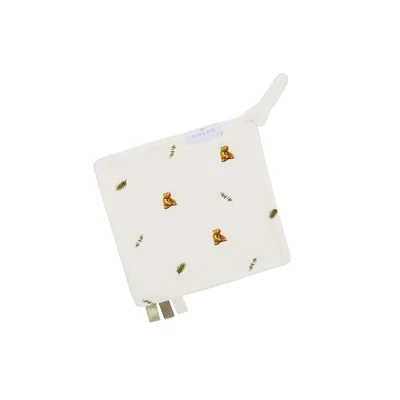

A few settling tips from parents who have done it recently: keep goodbyes short and cheerful (even if you are dying inside), always say goodbye rather than sneaking out, and trust that the tears usually stop within minutes of you leaving. Nursery staff are genuinely brilliant at distraction.
Pumping at Work (If That Is Your Plan)
If you are breastfeeding and plan to continue, you will need somewhere private to pump and a bit of a system. Your employer is legally required to provide a suitable space, and it cannot be a toilet. If they have not mentioned it, bring it up before your first day back so the logistics are sorted in advance.
A wearable pump is an absolute game-changer for working parents. Instead of being stuck in a room with a plug-in pump for 20 minutes, you can pump discreetly while answering emails, sitting in a meeting, or eating your lunch. The freedom it gives you is genuinely life-changing.
Practical pumping tips: pump at roughly the same times your baby would feed to keep your supply steady. Keep spare breast pads and a spare top at work (leaks happen, and they always happen during the important meeting). And do not stress if your output drops in the first week. Stress itself reduces supply, so the most productive thing you can do is relax about it. Easier said than done, but true.
The Morning Routine (a.k.a. Controlled Chaos)
Your mornings are about to become the most logistically complex part of your day. You are getting yourself ready, getting a baby ready, packing bags, preparing bottles or food, finding shoes that match, and somehow leaving the house at a time that was previously unthinkable.
The single best piece of advice from parents who have cracked it: do everything you possibly can the night before. Bags packed. Clothes out. Bottles sterilised. Nursery food portioned. The morning version of you will be operating on less sleep and more adrenaline, so make her life as easy as possible.
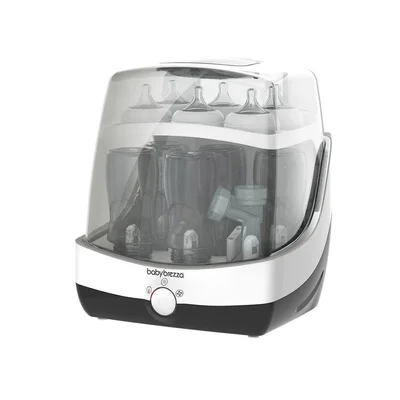

A fast steriliser that dries too saves a surprising amount of morning panic. No more fishing damp bottles out and shaking them dry while simultaneously putting on mascara. Ten minutes, done, dry, ready to go.
Keeping Milk Fresh on the Go
If you are expressing milk at work, you need a way to keep it cool between pumping and getting it home or to nursery. A dedicated insulated cooler bag is far more reliable than hoping there is space in the office fridge (and far less awkward than labelling your breastmilk next to Dave's tuna sandwich).
Most expressed milk is fine at room temperature for about four hours and in a cool bag with ice packs for up to 24 hours. So even if your commute is long, a good insulated bag has you covered.
Nursery Food Prep (Without the Sunday Dread)
If your baby is weaning or already on solids, nursery will usually ask you to provide meals or at least some snacks. Batch cooking on a Sunday and portioning everything into little pots makes the weekday mornings infinitely simpler.
Stackable food pots that are freezer and dishwasher safe are worth their weight in gold. Cook a big batch of bolognese, curry, or veggie stew, portion it out, freeze it, and grab a pot each morning. Done. No 6am chopping required.
Your Rights (Know Them Before You Go Back)
A few things worth knowing before your first day:
- You have the right to return to the same job if you took ordinary maternity leave (up to 26 weeks). After additional maternity leave, your employer must offer you the same job or a suitable alternative.
- You can request flexible working from day one of employment. Your employer must deal with your request in a reasonable manner.
- If you are breastfeeding, your employer must provide somewhere private to rest and express milk. Risk assessments should be updated for breastfeeding employees.
- Keeping-in-touch (KIT) days let you work up to 10 days during your leave without ending it. If you have not used them, ask about them.
If anything feels off when you return, your rights have not changed just because you had a baby. Do not be afraid to raise things early.
The Guilt, the Relief, and Everything in Between
Here is what the parenting books do not tell you: some days you will miss your baby so much it physically aches. Other days, you will relish the quiet commute and the chance to think a complete thought without being interrupted by a small person trying to eat your phone.
Both of those days are normal. Neither makes you a bad parent. Working and parenting are not competing teams. They are just two parts of a very full, very messy, very normal life. 💜
The first week is hard. The first month is an adjustment. And then one morning you will realise you have all got into a groove, the nursery drop-off was tear-free, and you actually enjoyed your day. That morning is coming. Promise.
Want to make sure your return-to-work essentials are sorted? Add everything you need to your BubsNest wishlist and share it with your partner, family, or anyone who asks what you need right now.
Ready to Create Your Baby Registry?
Start your free baby registry today and share it with friends and family.
Get Started Free