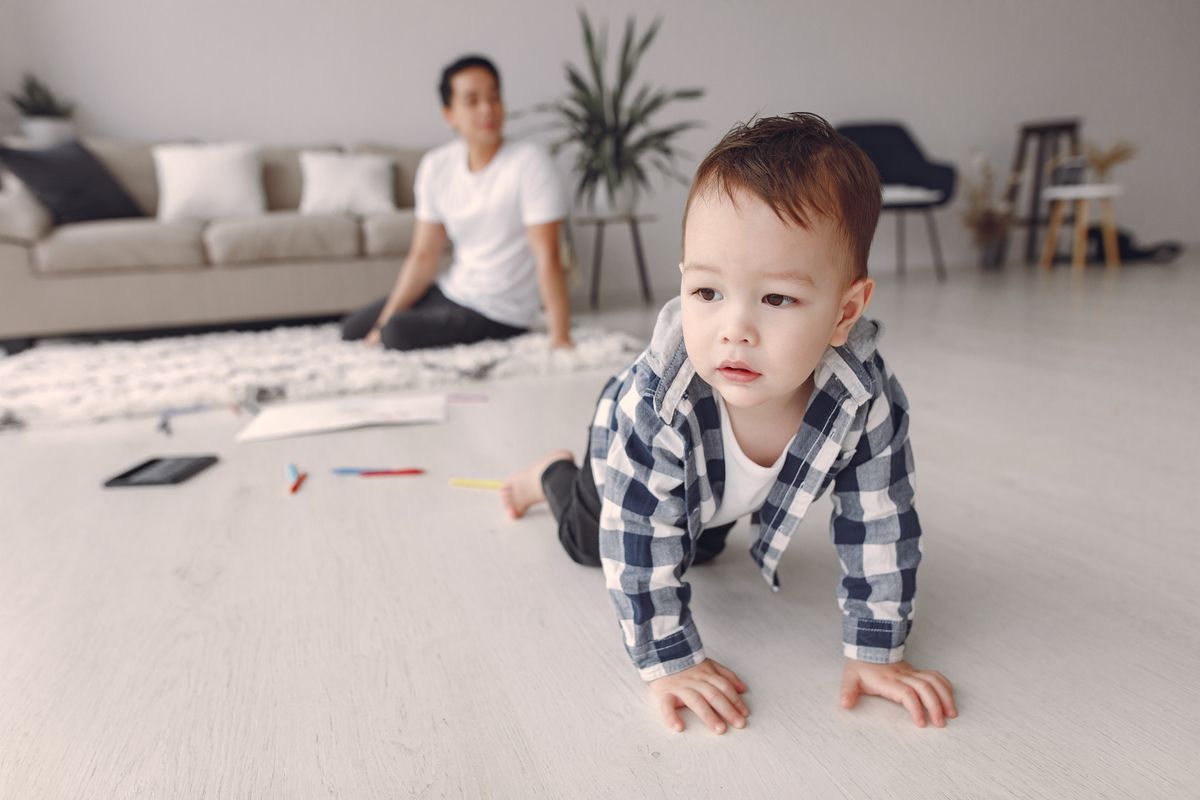
Separation Anxiety: Why Your Baby Suddenly Won't Let Go (and How to Help)
Your baby used to be passed around happily. Now they cling like a tiny koala. Here is what is actually happening, why it is a good sign, and how to make drop-offs less tearful for everyone.
Your baby used to let anyone hold them. Grandma, the neighbour, that slightly too enthusiastic stranger in the supermarket queue. And then, somewhere around seven or eight months, something shifted. Now they scream the second you leave the room, cling to your jumper like it is made of magnets, and look at your partner as if they have never met before.
Welcome to separation anxiety. It is one of the most exhausting phases of the first year, and also, weirdly, one of the most reassuring. Because it means your baby's brain is doing exactly what it should.
What Is Actually Happening
Around six to eight months, babies develop something called object permanence. Before this, when you left the room, you essentially stopped existing in their world. Blissful ignorance. Now they know you are somewhere out there, but they have absolutely no concept of when (or whether) you are coming back. So they panic. Loudly. 🧠
This is not a sign that you have done something wrong, or that your baby is too attached, or that you have somehow "spoiled" them. Quite the opposite. A baby who protests when you leave is a baby who has formed a strong, healthy bond with you. They trust you completely, and they are not yet mature enough to understand that trust survives a closed door.
Separation anxiety typically peaks between eight and eighteen months, with a second spike often hitting around two years. It almost always eases on its own. But in the thick of it, knowing that it is "just a phase" does not make the nursery drop-off any less heartbreaking.
Signs Your Baby Is Going Through It
Every baby shows it differently, but the common ones are hard to miss:
- Crying or screaming when you leave the room, even for thirty seconds
- Refusing to go to other adults they were previously fine with
- Waking more at night and needing reassurance to resettle
- Following you around the house like a very determined, very small shadow
- Getting upset at nursery or childminder drop-offs when they were previously settled
If your baby has suddenly become a velcro baby, this is almost certainly what is going on. And it is completely normal.
Why a Comfort Object Helps
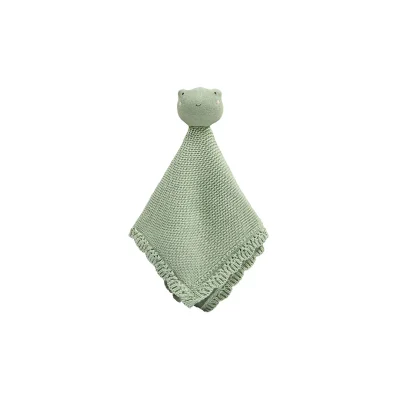
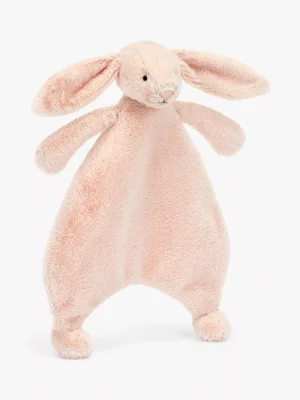
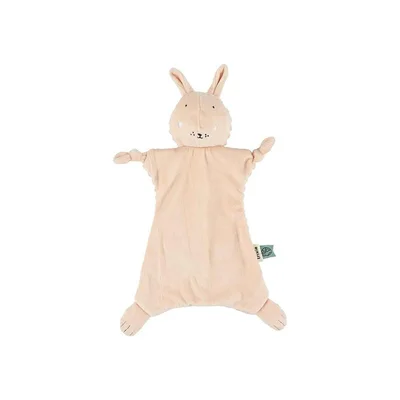
One of the simplest, most effective tools for separation anxiety is a comfort object. A soft comforter, a small blanket, a cuddly toy that smells like home. Psychologists call these "transitional objects" because they help your baby bridge the gap between being with you and being without you.
The magic is in the familiarity. When your baby clutches something that carries your scent and the feeling of home, their nervous system gets a signal that says "safe." It does not replace you, but it takes the edge off the panic.
A few tips for introducing one:
- Start early, ideally before separation anxiety hits. Keep the comforter close during feeds, naps, and cuddles so it absorbs your scent.
- Buy two identical ones. Seriously. Losing the comforter is a crisis you do not need at 2am.
- Let it get a bit grubby. The smell is the point. Wash it as rarely as you can bear.
- Send it to nursery with them. Most nurseries actively encourage a familiar comfort object for settling.


How to Handle the Goodbyes
This is where it gets practical. Because there are things you can do to make separations genuinely easier, and things that well-meaning people suggest that actually make it worse.
Do: keep goodbyes short and warm
The worst thing you can do is sneak out while they are distracted. It feels kinder in the moment, but it teaches your baby that you might vanish at any time, which makes the anxiety worse. Instead, say a clear, cheerful goodbye. "Mummy is going now. I will be back after your nap." Kiss, wave, leave. Even if they cry.
Do: practise mini-separations at home
Leave the room for a minute. Come back. Leave for two minutes. Come back. Every time you return, you are building the evidence in their brain that leaving is not permanent. Make it boring and matter-of-fact, not a big theatrical reunion.
Do: build a goodbye ritual
Predictability is everything for anxious babies. A special wave, a silly phrase, a nose boop. Same thing every time. Rituals create a sense of control, and control reduces fear.
Don't: drag it out
Hovering at the door, coming back for one more cuddle, lingering with a pained expression. Your baby reads your body language. If you look worried, they think there is something to worry about. Be warm, be quick, be gone. 💛
Don't: shame them for it
"You are being silly" or "big boys don't cry" does not help a baby whose brain is genuinely in fight-or-flight mode. Validate the feeling even if you cannot fix it. "I know you feel sad when I leave. That is okay. I always come back."
Nursery Drop-Offs: The Hard Bit
If your baby has recently started nursery and is going through separation anxiety at the same time, you have hit the emotional jackpot nobody wanted. Here is what helps.
Talk to the staff. Good nursery practitioners have seen hundreds of clingy drop-offs and they know exactly how to distract and settle. Most nurseries will phone or text you within ten minutes to let you know your baby has calmed down. Ask for this if they do not offer it.
Keep mornings predictable. Same routine, same order, same bag. A predictable morning means one less thing that feels unfamiliar.
Do not extend the settling-in period beyond what nursery recommends, even if your instinct is screaming at you to. Short, consistent exposure builds confidence faster than prolonged, anxious hovering.
And here is the thing nobody tells you: most babies stop crying within two minutes of you leaving. The drop-off is almost always worse for you than for them.
When It Happens at Night
Separation anxiety does not clock off at bedtime. If your baby was sleeping through and has suddenly started waking and crying for you, this is probably why.
The same principles apply. Go in, reassure briefly, leave. Try not to start habits you will need to undo later (like bringing them into your bed every night if that is not what you want long-term). A comforter in the cot can work wonders here, giving them something familiar to reach for in the dark.
Keep bedtime routine rock solid. Bath, book, milk, bed. Same order, same time, same words. The routine itself becomes a source of safety.
When to Talk to Someone
Normal separation anxiety eases gradually. Your baby might still protest, but the recovery time gets shorter. They cry for a minute instead of twenty. They settle with a cuddle from a familiar carer. They start showing excitement about nursery alongside the reluctance.
If your baby's anxiety seems to be getting worse rather than better after several weeks of consistent handling, or if it is accompanied by other changes (refusing food, not playing, extreme distress that lasts hours), it is worth speaking to your health visitor or GP. Very occasionally, persistent separation anxiety can signal something else that deserves proper support.
A Note for the Parent in the Car Park
If you are reading this on your phone in the car after a brutal drop-off, mascara running, wondering if you are damaging your child by leaving them, hear this: you are not.
Separation anxiety is temporary. Your bond is not. Every time you leave and come back, you are teaching your baby the most important lesson of their early life. People you love leave sometimes, and they always come back.
That is not damage. That is trust in the making.
Add your favourite comforters and settling essentials to your BubsNest wishlist so everyone knows what will actually help. 🧸
Ready to Create Your Baby Registry?
Start your free baby registry today and share it with friends and family.
Get Started Free