Baby Bath Time: Your Calm, Confident Guide to Those First Splashy Baths
Everything you need to know about bathing your newborn, from sponge baths and water temperature to the gentlest products and what to do when they scream the place down.
The biggest myth about baby bath time? That you need to do it every day. Newborns barely get dirty. They are not rolling in mud or doing the weekly shop. Two to three baths a week is plenty in the early months, and for the first week or two, you do not even need a proper bath at all.
If that surprises you, good. It means the rest of this guide will probably take some pressure off too. Bathing a tiny, slippery human for the first time is one of those parenting moments that sounds simple until you are standing over a baby bath with a wriggling newborn, one hand on them, the other wondering where the towel went. Let us make it calmer. 🛁
Before the First Proper Bath: Sponge Baths and the Cord Stump
Until your baby's umbilical cord stump falls off (usually within the first two weeks), stick with sponge baths. This just means a warm, damp flannel or cloth, a flat surface, and a few minutes of gentle wiping. Top and tail, as your midwife might call it.
Focus on the areas that actually need cleaning: face, neck creases (where milk loves to hide), hands, and the nappy area. You do not need to strip them fully for this. Keep them warm, work quickly, and you are done. That is genuinely all there is to it.
Getting the Temperature Right
This is the bit that makes most new parents nervous, and honestly, it should get your attention. The ideal bath temperature for a baby is around 36 to 37°C, which feels warm but not hot when you dip your elbow or wrist in.
Your elbow is a better judge than your hand because your hands are used to higher temperatures from washing up and hot drinks. But if you are the type who likes certainty (no judgement, same here), a bath thermometer takes the guesswork out entirely.
Always put cold water in first, then add warm. Give it a good swirl so there are no hot patches. And once baby is in, do not top up with hot water while they are sitting in it. Simple rules, but they genuinely matter.
What to Use: Less is More
Newborn skin is remarkable. It is also incredibly thin, around 30% thinner than adult skin, which means it absorbs and reacts to products much more easily. For the first month or so, plain water is genuinely all you need for most baths.
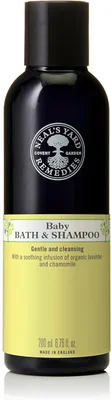
When you do start introducing a wash, choose something fragrance-free, pH-neutral, and designed specifically for babies. Your gorgeous grown-up shower gel is far too harsh, even the "sensitive" ones. A gentle baby wash and shampoo combo keeps things simple and means one less bottle cluttering the bathroom.

A small note on cradle cap: if you notice yellowish, flaky patches on your baby's scalp, do not panic. It is completely common and usually clears up on its own. A soft brush and a little olive oil can help loosen it, but there is no need to scrub aggressively. Gentle does it.
Your Step-by-Step First Tub Bath
Get everything ready before you undress your baby. Seriously, everything. Towel within arm's reach. Fresh nappy. Clean clothes. Wash if you are using it. Nothing ruins a calm bath like a dripping-wet baby and a towel that is somehow in another room.
- Fill the bath to about 8 to 10 centimetres, just enough to cover their legs and lower body when they are lying back.
- Undress your baby and lower them in feet first, keeping one hand behind their head and shoulders at all times. Your forearm becomes the support, their head rests in the crook of your elbow.
- Use your free hand to cup water gently over their body. No splashing yet, that comes later when they are old enough to enjoy it.
- Wash their hair last so they do not sit with a wet head getting cold. A tiny amount of wash, a gentle rub, and rinse by cupping water over their scalp.
- Lift them out straight onto a waiting towel. The quicker you wrap them, the happier everyone is.
The whole thing should take about five to ten minutes. Longer is not better. Short, warm, and calm is the goal.
The After-Bath Bit: Drying and Cosiness
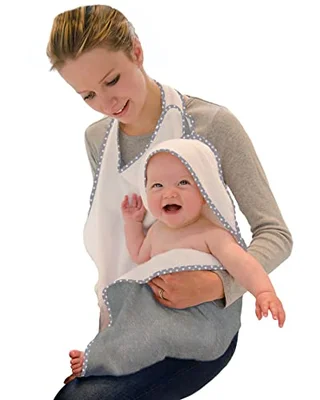
Pat, do not rub. Baby skin is delicate and rubbing can irritate it, especially in the creases around their neck, behind their ears, and in those gorgeously chubby thigh rolls. A hooded towel makes life easier because you can wrap them up in one smooth movement and their head stays warm while you sort out the rest.
Once they are dry, this is a lovely moment for a little baby massage if you fancy it. A tiny bit of a gentle, fragrance-free moisturiser on dry patches (elbows, knees, ankles) is fine, but you do not need to lotion them head to toe after every bath.
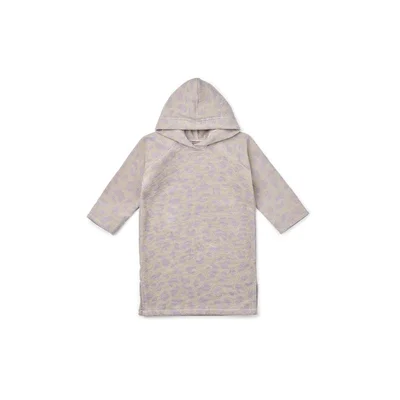
If you want to make the post-bath transition even smoother, a bathrobe poncho is a small luxury that earns its keep. Pop it on, carry them to the changing mat, and they stay snug while you get a nappy and sleepsuit sorted.
When They Scream the Place Down
Some babies love water from day one. They go limp, stare dreamily at the ceiling, and basically turn into tiny spa clients. Others scream as though you have personally betrayed them. Both reactions are completely normal.
If your baby hates bath time, a few things that might help:
- Try a different time of day. An overtired baby will hate everything, bath included. Mid-morning after a feed sometimes works better than the classic pre-bedtime slot.
- Get in with them. Skin-to-skin in a shallow bath can be incredibly soothing. Just make sure someone else is there to hand the baby to when you get out.
- Warm the towel. Draping it over a radiator for a few minutes before bath time means no cold shock when they come out.
- Keep talking. Your voice is the most reassuring sound they know. Narrate the whole thing, sing, chat nonsense. It does not matter what you say.
And if none of that works? Skip the bath. A sponge wash is fine. There is no rule that says every baby has to love being submerged in water at three weeks old. They will get there.
Bath Time is Bonding Time
Once you get past the initial "please do not let me drop them" nerves, bath time often becomes one of the nicest parts of the day. It is a few minutes of proper, focused one-on-one time where phones tend to stay out of the room and your full attention is on this small, magnificent person you made.
Partners, this is a brilliant one to take ownership of. If one parent is doing most of the feeding, bath time is a chance for the other to build their own routine and confidence. Babies pick up on who is relaxed around them, and bath time is a gorgeous place to build that bond.
Keep it simple. Keep it warm. Keep it short. You have got this. 🫧
Want to build your bath time kit list? Add your favourites to your BubsNest registry so friends and family know exactly what to get.
Ready to Create Your Baby Registry?
Start your free baby registry today and share it with friends and family.
Get Started Free