Baby Bathtime: The No-Panic Guide to First Baths and Beyond
Your newborn does not need a bath every day. Here is everything you need to know about baby bathtime, from the kit that actually matters to making it the best part of your routine.
Your newborn does not need a bath every day.
I know. After scrolling through baby shopping lists and beautifully styled "bathtime routine" reels, you would be forgiven for thinking daily baths are a non-negotiable part of parenthood. But two to three baths a week is genuinely plenty for the first few months, and doing more can actually dry out your baby's delicate skin.
So put down the miniature rubber duck for a moment. Let me walk you through everything you actually need to know about baby bathtime, from the kit that earns its place to the moment it becomes the best part of your day. 🛁
How Often Do Babies Actually Need a Bath?
For the first couple of weeks, you will not be giving proper baths at all. While your baby's umbilical cord stump is still attached, "top and tailing" is the way to go. That just means using a warm, damp cloth to clean their face, neck, hands, and nappy area without putting them in water. Quick, simple, completely sufficient.
Once the cord stump has fallen off (usually within the first two weeks), you can start proper baths. But even then, two to three times a week is plenty. In between baths, a top and tail keeps them perfectly fresh.
Daily baths become more useful once your baby is crawling around, discovering mud, and smearing sweet potato in their eyebrows. For newborns though, less really is more.
The Only Kit That Actually Matters
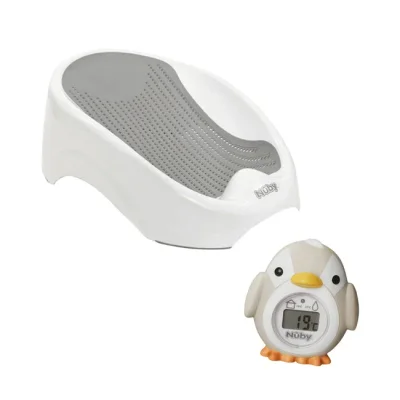
You do not need seventeen different bathtime products. Here is what genuinely earns its place: a baby bath or support, a thermometer, some soft washcloths, and a warm towel. That is it for the first few months.
A bath support is the real game-changer. It holds your baby safely so both your hands are free, instead of one arm being permanently dedicated to supporting a very slippery small person. Some sets come with a built-in thermometer too, which takes the guesswork out of water temperature entirely.

For the actual washing part, you want something soft. Really soft. Newborn skin is incredibly delicate, and a regular flannel can feel rough against it. Organic cotton washcloths are gentle enough for even the most sensitive skin and they wash beautifully between uses.
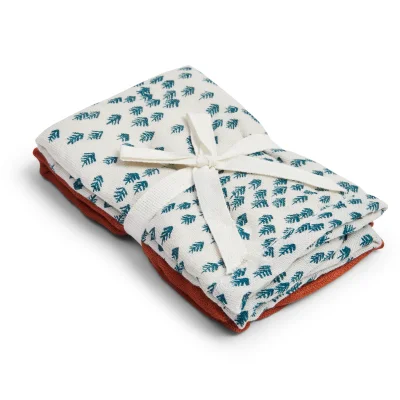

Skip the fancy baby bubble bath for now. Plain water is genuinely all you need for the first month or so. After that, a tiny drop of mild, fragrance-free baby wash is fine if you want it, but it is not essential.
Getting the Temperature Right
This is the bit that makes new parents most nervous, and it is honestly the simplest part once you know the number. The water should be around 37 degrees, which is body temperature. Warm to the touch, not hot.
If you do not have a thermometer yet (get one, they cost next to nothing and remove all the guesswork), test the water with the inside of your wrist or elbow. It should feel comfortably warm. If it feels hot to you, it is too hot for your baby.
Always run the cold water first, then add hot. Give the bath a good stir to mix out any hot spots before your baby goes in. And keep the room warm too, around 22 to 24 degrees is ideal. Babies lose heat fast once they are undressed, so close any windows and have everything you need within arm's reach before you start.
How to Actually Do It (Without Panicking)
Right. The practical bit. Here is the step by step that nobody seems to write clearly enough.
Get everything ready before you undress your baby. Towel laid out. Clean nappy next to it. Fresh clothes sorted. You do not want to be rummaging through drawers with a wet, cold, increasingly vocal baby in your arms.
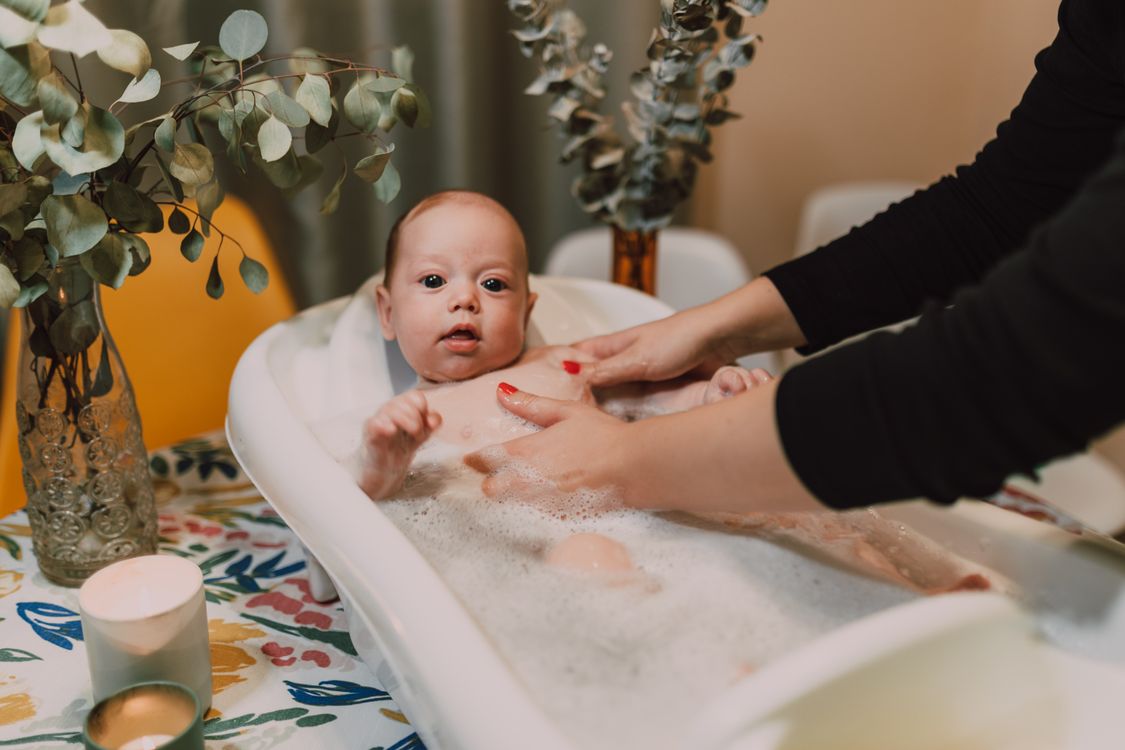
Undress your baby and lower them gently into the water, feet first. Keep one hand supporting their head and neck at all times. Talk to them, smile, stay calm. Babies are brilliant at picking up on your energy. If you are relaxed, they are far more likely to be relaxed too.
Use your free hand (or a soft cloth) to gently wash their body. Start with the face, using just water and a clean cloth. Then move to the body and save the nappy area for last.
Hair does not need washing every bath. Once or twice a week is fine. When you do, cup a little water over their head and gently massage with your fingertips. Most babies either love this bit or find it completely outrageous. There is rarely an in-between. 😄
The whole thing should take about five to ten minutes. Newborns cool down quickly, so do not linger. Lift them out onto that waiting towel and wrap them up straight away.
Drying Off and After-Bath Cosiness
This is, hands down, the loveliest part of the whole routine. A warm, clean, slightly dazed baby wrapped up in something soft is one of parenthood's genuinely perfect moments.
Pat their skin dry rather than rubbing. Get into all the creases, especially neck folds (surprisingly good at hiding milk residue), behind the ears, and between tiny toes. Dampness trapped in skin folds can cause irritation, so be thorough but gentle.
A hooded bath cape makes this easier because it keeps their head warm while you deal with the rest. Babies lose a surprising amount of heat through their heads, so covering it straight away makes a real difference to how comfortable they stay.


Once they are a bit older and bathtime becomes part of the bedtime routine, a soft bathrobe is a gorgeous way to bridge the gap between bath and pyjamas. It keeps them warm during the whole nappy-cream-sleepsuit shuffle, and honestly, a baby in a tiny bathrobe is unreasonably cute.
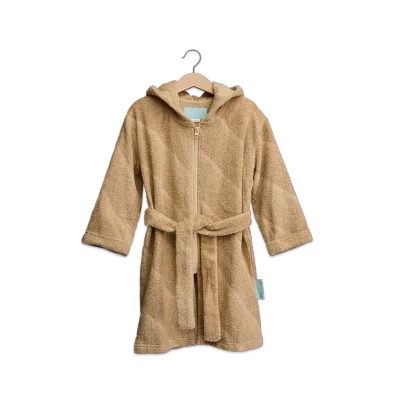
After drying, this is also a lovely time for a gentle baby massage if your little one is in the mood. A tiny bit of baby-safe moisturiser, some gentle strokes on their arms, legs, and tummy. Some babies absolutely melt into it. Others will make it very clear they would prefer to be dressed and fed immediately. Read the room.
When Bathtime Gets Fun
Somewhere around four to six months, something brilliant happens. Your baby stops looking vaguely suspicious of the water and starts actually enjoying it. The splashing begins. Kicking intensifies. Your bathroom floor will never be dry again.
This is when bath toys and playful accessories come into their own. A cute animal bath mitt turns washing into a puppet show, and babies genuinely love it.
Sitting up in the bath (with support) opens up a whole new world of water play. Stacking cups, floating toys, that rubber duck that has been sitting on the side since your baby shower. Let them explore. Bathtime is genuinely brilliant for sensory development, and the joy on their face when they figure out splashing is worth every puddle on your floor.
One important rule for the fun phase: never leave your baby unattended in water, even for a second. Not to grab a towel, not to answer the door, not to check your phone. Always stay within arm's reach.
Add Bathtime Bits to Your Registry
If you are building your baby registry, bathtime essentials are some of the most useful gifts you can ask for. A good bath support, soft washcloths, a hooded towel or bath cape, and a cute bath mitt will genuinely get used every single week.
They also make brilliant group gifts if someone wants to put together a bathtime bundle. You can add all of these to your BubsNest registry and your friends and family will love knowing they bought something that actually gets used.
Ready to Create Your Baby Registry?
Start your free baby registry today and share it with friends and family.
Get Started Free