Your Baby's Medicine Cabinet: What to Stock Before You Actually Need It
A panic-free guide to the health essentials every parent should have at home before the first sniffle, scratch, or midnight temperature scare.
I stood in a pharmacy at 11pm on a Sunday, baby crying in the car seat by my ankles, desperately googling "which Calpol for 3 month old" with one hand while the other held a dummy in place. The shelves were half-empty. The pharmacist had gone home. And I promised myself I would never, ever be this unprepared again.
Here is the thing about baby illnesses: they do not wait for convenient moments. They arrive at bedtime, on bank holidays, and approximately three hours after your GP surgery closes. The best time to stock your baby medicine cabinet is before your baby's first sniffle, not during it. 🩹
Second best time? Right now.
Why Bother Stocking Up Early?
Because you will need this stuff. Every baby gets their first cold, their first mystery rash, their first "is that a temperature or did we just overdress them?" moment. And when it happens at 2am, you do not want to be driving to a 24-hour supermarket in your pyjamas.
A well-stocked medicine cabinet is not about being paranoid. It is about being calm. When you already have the thermometer, the saline drops, the infant paracetamol sitting in the drawer, you can focus on your baby instead of panicking about what you are missing.
The Temperature Toolkit
A reliable thermometer is the single most important item in your baby medicine cabinet. Full stop.
For babies under four weeks, your midwife will likely recommend an underarm (axillary) digital thermometer. They are cheap, accurate, and the safest option for tiny newborns. From around four weeks, you can switch to an ear thermometer, which is faster and easier on a wriggly baby.
The key numbers to know: a normal temperature sits between 36°C and 36.8°C. Anything above 38°C in a baby under three months means you should ring your GP or 111 straight away. Above 39°C at any age and you should seek medical advice quickly.
Top tip: keep a small notebook or use your phone's notes app to log temperatures, the time you took them, and any medication given. When you call for medical advice, they will ask for this information, and sleep-deprived brains are not great at remembering details.
Stuffy Nose Rescue
Babies cannot breathe through their mouths the way we can, which means a blocked nose is genuinely distressing for them. And for you, because a baby who cannot breathe comfortably cannot feed or sleep either.
Two things every parent should have:
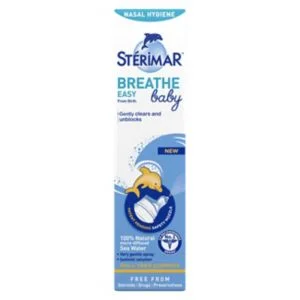
Saline drops or spray. A few drops of saline solution in each nostril loosens the mucus so it can drain naturally. It is gentle, safe from birth, and works surprisingly well. Keep one in the bathroom and a spare in the changing bag.
A nasal aspirator. Once the saline has loosened things up, an aspirator helps you clear the mucus out. The NoseFrida is the gold standard here. Yes, you are literally sucking snot through a tube (there is a filter, do not worry), but it works far better than the little bulb syringes and gives you much more control over the suction.
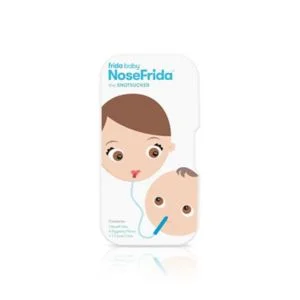
It sounds revolting. It is revolting. It is also one of those products that every parent ends up quietly recommending on parenting forums at 1am.
Pain and Fever Relief
Infant paracetamol (sold as Calpol or supermarket own-brand equivalents) can be given from two months if your baby weighs more than 4kg, or from three months at any weight. Infant ibuprofen (such as Nurofen for Children) is suitable from three months and weighing over 5kg.
A few things worth knowing:
- Always dose by weight, not age, when possible
- Paracetamol and ibuprofen work differently, so your doctor may suggest alternating them during a bad bout of teething or illness
- Keep a medicine syringe in the drawer (they usually come in the box, but spares go missing fast)
- Check expiry dates every few months, because these medicines do expire
You do not need to stock ten varieties. One bottle of infant paracetamol and one of infant ibuprofen will cover you for the vast majority of common situations.
Skin Savers
Baby skin is ridiculously sensitive, and the first few months are a parade of mystery rashes, dry patches, and cradle cap. You will google "baby rash" at least four times. It is always normal. (But do check with your doctor if you are worried.)
The essentials:
- A barrier cream for nappy rash. You want something thick and protective, ideally zinc oxide based. Apply at the first hint of redness, not once the rash is already angry.
- An emollient for dry or eczema-prone skin. Something fragrance-free and gentle. Your doctor can prescribe these if needed.
- Coconut oil or olive oil for cradle cap. Massage gently into the scalp, leave for a few minutes, then brush softly with a fine-toothed comb or silicone brush.
Resist the urge to buy every baby skincare product on the shelf. Newborn skin genuinely does best with less. Plain water for the first few weeks, and a gentle, fragrance-free wash after that.
Those Tiny, Terrifying Nails
Cutting a baby's nails for the first time is one of those parenting moments that catches you completely off guard. They are impossibly small, your baby will not stay still, and the consequences of a nick feel catastrophic. (They are not, for the record, but it absolutely feels that way in the moment.)
Baby nail clippers with rounded tips or a small nail file are much safer than adult scissors. Some parents swear by doing it while the baby is asleep or feeding. Others use electric nail files that gently buff the nail down instead of cutting.
Either way, you do need to trim them. Newborn nails are surprisingly sharp and babies have an impressive talent for scratching their own faces.
A Ready-Made First Aid Kit
Beyond the medicine cabinet, it is worth having a small first aid kit with the basics: plasters (the child-sized ones), antiseptic wipes, a couple of sterile gauze pads, tweezers, and medical tape. You will not use most of this in the first year, but when you need a plaster for a bleeding finger at soft play, you need it right now, not after a trip to the shops.
What You Do NOT Need
Some things parents buy for the medicine cabinet that you can safely skip:
- Gripe water - the evidence for it is thin and your baby probably does not have "wind" in the way gripe water claims to treat
- Teething gels with lidocaine - these have been largely removed from shelves due to safety concerns. A cold teething ring does a better job
- Amber teething necklaces - there is zero evidence they work, and they are a genuine strangulation and choking hazard
- A humidifier (unless your doctor specifically recommends one) - most homes have enough ambient humidity without one
Your Medicine Cabinet Checklist
Here is the quick version, ready to screenshot:
- Digital thermometer (underarm for newborns, ear from 4 weeks)
- Saline nasal drops or spray
- Nasal aspirator
- Infant paracetamol (from 2 months/4kg)
- Infant ibuprofen (from 3 months/5kg)
- Medicine syringe
- Nappy cream (zinc oxide based)
- Emollient for dry skin
- Baby nail clippers or file
- First aid kit with child-sized plasters
- A notebook or phone app for logging temperatures
Most of this will cost you under £30 and fits on a single bathroom shelf. Stock it now, before the first midnight pharmacy run, and future-you will be extremely grateful. 💛
If you are building your baby registry, you can add any of these essentials to your BubsNest wishlist so family and friends can help you stock up before baby arrives.
Ready to Create Your Baby Registry?
Start your free baby registry today and share it with friends and family.
Get Started Free