Your Breastfeeding Toolkit: What to Buy, What to Borrow, and What to Skip
You need about five things to breastfeed comfortably. Everything else is noise. Here is the honest breakdown of what is worth your money and what can wait.
You can feed a baby with absolutely nothing except yourself. That is the beautiful, maddening truth about breastfeeding. No batteries required, no assembly instructions, no thirty-page manual.
And yet. Search "breastfeeding essentials" on any baby forum and you will find lists stretching to forty-plus items. Nipple shields, silver nursing cups, lactation cookies, hospital-grade pumps, hands-free bras, specialised water bottles, and at least three gadgets you have never heard of. It is enough to make you wonder whether your body somehow forgot to include the necessary equipment. 🤱
It did not. Here is what months of real breastfeeding actually teaches you: you need about five things to start comfortably, and the rest depends entirely on your body, your baby, and the specific shape of your life. This guide sorts the essentials from the nice-to-haves from the "who is actually buying that?"
The Stuff You Will Almost Certainly Need
A good feeding pillow
Your arms will tire faster than you expect. Newborns can feed for 30 to 45 minutes at a stretch, sometimes ten or twelve times a day in the early weeks. Without something to rest your baby on, your shoulders, neck, and wrists will be screaming by day three.
A purpose-built feeding pillow wraps around your waist and brings baby up to breast height, so you are not hunching forward into a position your back will make you pay for later. It is the single most recommended piece of breastfeeding kit on every parent forum, and for good reason.
Look for one that is firm enough not to flatten under your baby's weight and has a removable, washable cover. Because milk will absolutely end up on it.

Breast pads (and plenty of them)
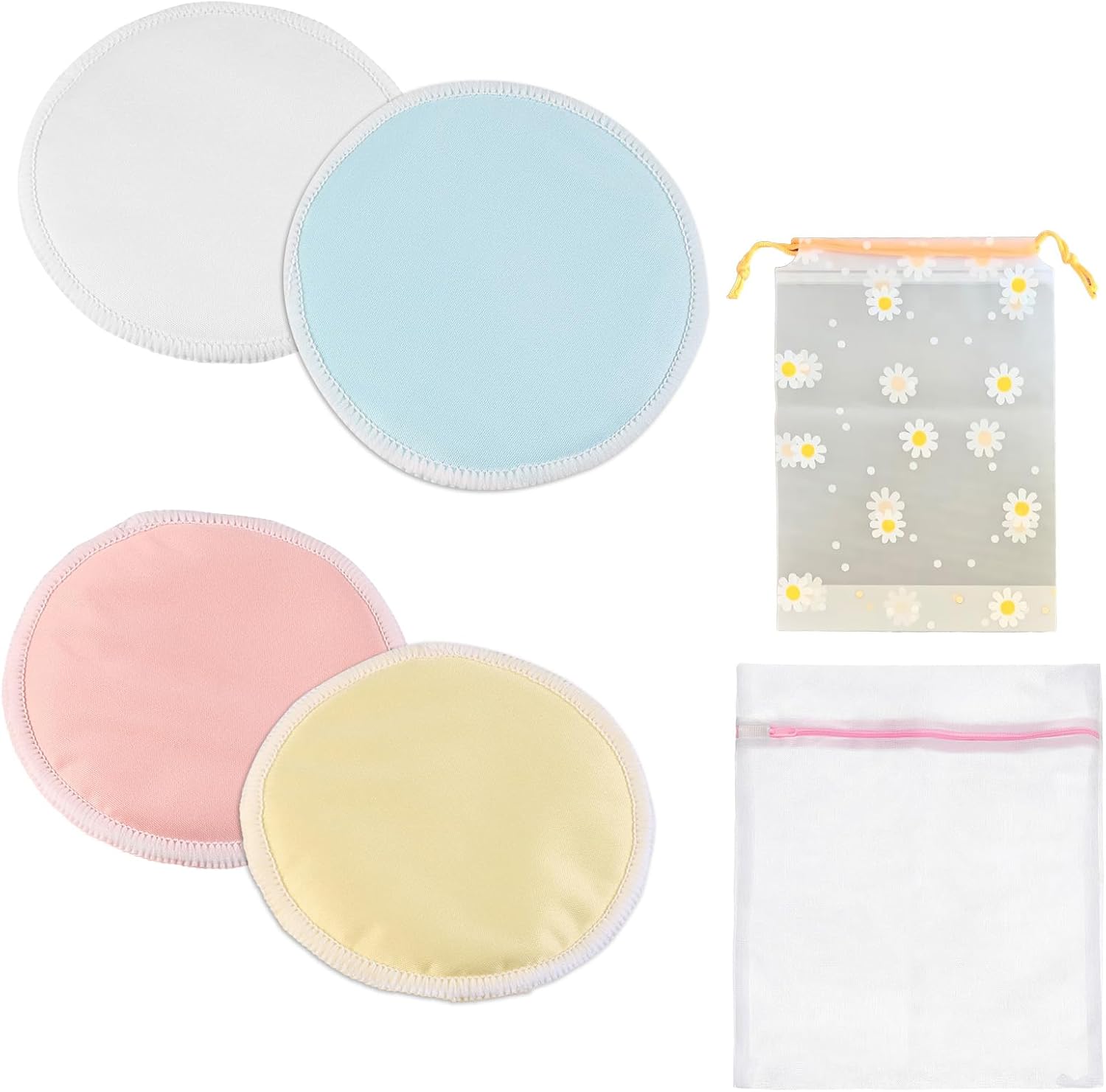
Nobody fully prepares you for the leaking. One side feeds while the other just goes. At 2am, in the supermarket queue, during a video call with your manager. It is relentless in the first few weeks while your supply regulates.
Disposable pads are brilliant for the early chaos when you are changing them constantly. Reusable ones are kinder to your purse and the planet once things calm down. Either way, buy more than you think you need, then buy more again.

Nipple cream
The honest truth is that breastfeeding can hurt at the start, even with a textbook latch. Your skin simply needs time to adjust. A good lanolin-based cream or natural balm applied after every feed creates a protective barrier, helps tiny cracks heal, and is safe for baby to ingest so you do not need to wipe it off before the next feed.
Keep a tube by the bed, by the sofa, and in your changing bag. You will forget to apply after at least one feed and immediately regret it.
The Game-Changers (Buy When You Know You Need Them)
A breast pump
Not everyone needs a pump. If you are exclusively feeding at the breast and never plan to be away from your baby for more than a couple of hours, you may genuinely never use one. But for most parents, a pump becomes essential at some point, whether that is building a freezer stash, letting your partner do the night feed, or heading back to work.
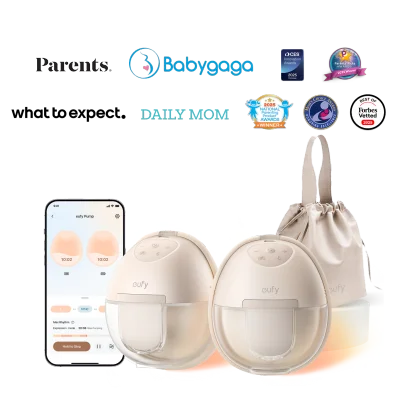
The big shift in the last couple of years has been wearable pumps. Instead of being tethered to a plug socket with a hospital-grade machine and a hands-free bra contraption, you can tuck a compact pump into your nursing bra and actually move around. Make dinner. Fold laundry. Chase a toddler. It is not glamorous, but it is freedom.
Milk storage
Once you start expressing, you need somewhere safe to put it all. Breast milk is liquid gold, both literally (it really is that colour) and emotionally, because every millilitre represents time, effort, and the kind of quiet determination only a sleep-deprived parent can summon.
Pre-sterilised storage bags that lie flat in the freezer are the most space-efficient option. Label everything with the date and amount, because the guidelines are stricter than you might expect: up to five days in the fridge, around six months in the freezer. A proper storage set takes the guesswork out of the whole process.

The Nice-to-Haves
Nursing bras
Here is the counterintuitive advice: do not buy these before baby arrives. Your breasts will change size significantly in the first week when your milk comes in, so anything you purchase at 38 weeks pregnant may not fit by week two postpartum.
Wait until your supply settles, then invest in two or three comfortable clip-down bras you can open one-handed while holding a wriggly baby. Skip the underwire entirely. It can press on milk ducts and contribute to blocked ducts or mastitis. Soft, stretchy, zero fuss is the goal.
A water bottle you can open one-handed
This sounds ridiculous until you are on feed number eight and so thirsty you could drink the Thames. Breastfeeding uses roughly 500 extra calories a day, and your body needs water to produce milk. A flip-top bottle that lives permanently next to your feeding spot is the most unsexy, most used purchase you will make.
What You Really Do Not Need
A few things the internet will try to sell you that are genuinely not necessary:
- Lactation teas and biscuits - there is no strong evidence they boost supply. Stay hydrated and eat well instead.
- A dedicated "breastfeeding chair" - any comfortable seat with good arm support works. Your sofa is fine. Your bed at 3am is definitely fine.
- Nipple shields (unless specifically recommended) - a lactation consultant may suggest them for particular latch issues, but they should not be a first-line solution for sore nipples. They can reduce milk transfer if used incorrectly.
- A nursing cover - you are legally protected to breastfeed anywhere in the UK. Some parents find a light muslin helpful for confidence in the early weeks, but it is genuinely optional.
The Toolkit Nobody Talks About
The best breastfeeding gear in the world will not help without the right support around you. Not the passive "let me know if you need anything" kind. The kind where someone brings you a snack mid-feed, holds the baby while you have an actual shower, and tells you that you are doing something incredible even when it does not feel like it. 💛
If breastfeeding is not going to plan, the most valuable investment is time with a certified lactation consultant, not another product. Many are available through your local maternity services, and some offer home visits. Asking for help is not failure. It is the opposite.
And if breastfeeding does not work out for you at all, that is completely okay too. How you feed your baby matters far less than the fact that you are feeding them, loving them, and showing up every single day.
Your Breastfeeding Registry Shortlist
Adding breastfeeding bits to your BubsNest registry? Here is the short version:
- Feeding pillow (buy before baby arrives)
- Breast pads, disposable and reusable (buy before baby arrives)
- Nipple cream (buy before baby arrives)
- Breast pump (wait and see, then decide)
- Milk storage bags (buy when you start expressing)
- Nursing bras (buy after your milk comes in)
Six items, maximum. Everything else is noise until your body and your baby tell you otherwise.
Ready to Create Your Baby Registry?
Start your free baby registry today and share it with friends and family.
Get Started Free