Your Baby’s First Cold: What Helps, What Doesn’t, and When to Actually Worry
Babies catch an average of 8-12 colds before they turn two. Here’s what actually soothes congestion, which remedies to skip, and the signs that mean it’s time to call your GP.
Eight to twelve. That is how many colds the average baby catches before their second birthday. The number sounds outrageous until you live through cold number one and realise your tiny human has essentially become a tiny snot factory overnight.
The good news? Most baby colds are completely harmless, even when they look and sound absolutely dreadful. The bad news? There is very little you can actually give a baby for a cold. No cough syrup, no decongestant tablets, no Lemsip. Just a handful of genuinely helpful tools, a lot of patience, and the knowledge that this, too, shall pass. Usually in about ten days. 🤧
This guide covers what a baby cold actually looks like, what helps, what you can safely ignore, and the specific signs that mean you should pick up the phone and call your GP.
What a Baby Cold Actually Looks Like
If you have never seen a baby with a cold before, it can be genuinely alarming. Their breathing sounds like a tiny freight train. Their nose runs constantly. They might refuse feeds, wake more at night, and be generally miserable. All of this is normal cold territory.
Here is what you will typically see:
- A runny or blocked nose. Clear mucus at first, which may turn yellow or green after a few days. This colour change is normal and does not automatically mean an infection.
- Sneezing and coughing. Both are your baby's way of clearing the gunk. Coughing often sounds worse than it is.
- A mild temperature. Anything up to about 38°C is common with a cold. Above that and you are into fever territory, which we will cover below.
- Fussiness and disrupted sleep. Imagine trying to sleep with a completely blocked nose and no concept of mouth breathing. Exactly.
- Reduced appetite. Hard to feed when you cannot breathe through your nose. Smaller, more frequent feeds often work better than trying to stick to the usual schedule.
Most colds peak around day three or four and then gradually improve. The whole thing usually runs its course in 7 to 10 days, though a lingering cough can hang around a bit longer.
What Actually Helps
The list of things you can do for a baby cold is shorter than you would like. But everything on it genuinely works, and none of it requires a prescription.
Keep their nose clear
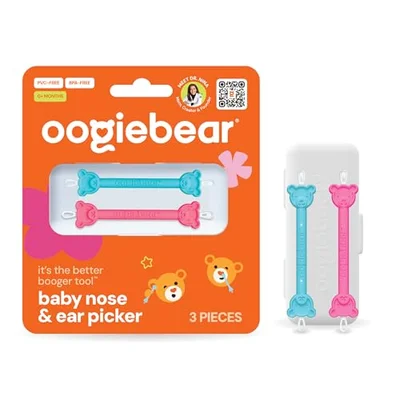
This is the single most useful thing you can do. Babies are obligate nose breathers for the first few months, which means a blocked nose does not just annoy them, it properly distresses them. Saline drops or spray loosens the mucus, and a gentle nasal tool helps remove it.


A few drops of saline in each nostril before feeds and sleep makes a real difference. You can also use it before clearing with a nasal tool. Speaking of which, the oogiebear is a parent favourite for good reason. It is gentler than a traditional aspirator and works brilliantly for dried-on bogeys that saline alone will not shift.

Add moisture to the air
Dry air makes congestion worse. A cool-mist humidifier in the bedroom can help loosen mucus and make breathing easier, especially at night. You do not need a fancy nursery-specific model. Any reliable cool-mist humidifier will do the job, and this one runs whisper-quiet so it will not disturb sleep.
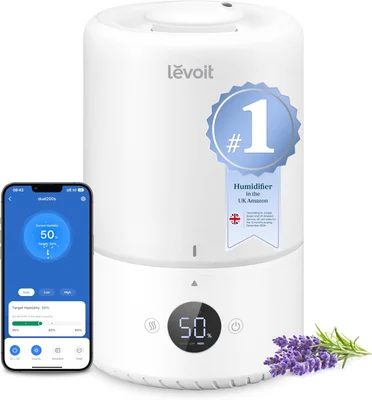
If you do not have a humidifier, a bowl of water near (but not on) the radiator adds some moisture, or you can sit in a steamy bathroom for a few minutes before bedtime. Not a hot bath for the baby, just sitting in the room while the shower runs.
Keep fluids up
Whether you are breastfeeding, bottle feeding, or your baby is on solids, keeping fluids up is important. Offer feeds more often than usual, even if they take less each time. For babies over six months, small sips of cooled boiled water between feeds can help too.
Elevate the head end slightly
A slight incline can help mucus drain and make breathing easier. Pop a rolled towel under the mattress (never a pillow in the cot) to raise the head end just a touch. Some parents find this makes a noticeable difference overnight.
Skin-to-skin and comfort
Never underestimate the power of a cuddle. Holding your baby upright on your chest helps mucus drain, keeps them calm, and honestly makes you feel better too. A warm bath before bed can also help loosen congestion, and the familiar routine is comforting when they are feeling rotten.
What Does Not Help (Even Though Everyone Will Suggest It)
You will receive approximately one hundred pieces of advice the moment you mention your baby has a cold. Here is what you can safely file under "thanks but no."
- Cough medicine or decongestants. These are not recommended for children under six, and most are not suitable under twelve. Do not use them, even if the packet says "children's formula."
- Vapour rubs on a young baby's skin. Standard menthol rubs are too strong for babies under three months. Plug-in vapour options designed for babies are gentler, but always check the age guidance first.
- Antibiotics. Colds are caused by viruses. Antibiotics treat bacteria. Your GP will not prescribe them for a cold, and that is not them being unhelpful, it is them being correct.
- Starving a cold. Old wives' tale. Feed your baby normally, just expect them to take less and need it more often.
- Essential oils in a diffuser near the cot. Some oils are not safe around babies and the evidence for their cold-busting powers is thin at best. Keep the diffuser out of the nursery.
When to Actually Worry
Most colds are unpleasant but harmless. However, there are some clear signs that mean you should contact your GP or call 111. Trust your instincts on this one. You know your baby better than anyone, and "something just doesn't seem right" is a perfectly valid reason to seek advice. 📞
Call your GP or 111 if your baby:
- Is under three months old with a temperature of 38°C or above
- Is over three months with a temperature of 39°C or above that is not coming down with infant paracetamol
- Has been unwell for more than 10 days with no improvement
- Is struggling to breathe, you can see their ribs pulling in with each breath, or their nostrils are flaring
- Is feeding much less than usual, has fewer wet nappies, or seems dehydrated
- Becomes unusually drowsy or hard to wake
- Develops a rash that does not fade when you press a glass against it
Call 999 or go to A&E if:
- Your baby stops breathing or has long pauses between breaths
- Your baby turns blue around the lips or tongue
- Your baby is floppy, unresponsive, or having a seizure
These are not meant to scare you. They are meant to give you a clear, calm list you can refer to at 3am instead of spiralling down a Google rabbit hole. Most parents never need the A&E list. Knowing it is there is the reassurance.
Looking After Yourself (Yes, You)
A baby with a cold means broken nights, endless nose-wiping, and a soundtrack of sniffles and grizzling. It is exhausting, and it is okay to say so.
Accept help if it is offered. Let someone else hold the snuffly baby while you have a shower. Order the food shop online. Lower your standards on housework for a week. The cold will pass, your baby will be back to their cheerful self, and you will have survived your first proper brush with baby illness. Badge of honour earned.
And wash your hands. A lot. Because you will almost certainly catch it too, and there is nothing quite like having a cold while looking after a baby with a cold. Nobody told you about that bit, did they? 😶
One last thing. If this is your first time navigating baby illness and you want everything in one place, your BubsNest wishlist is a handy spot to save the care essentials you realise you need at 2am. Future you will be grateful.
Ready to Create Your Baby Registry?
Start your free baby registry today and share it with friends and family.
Get Started Free