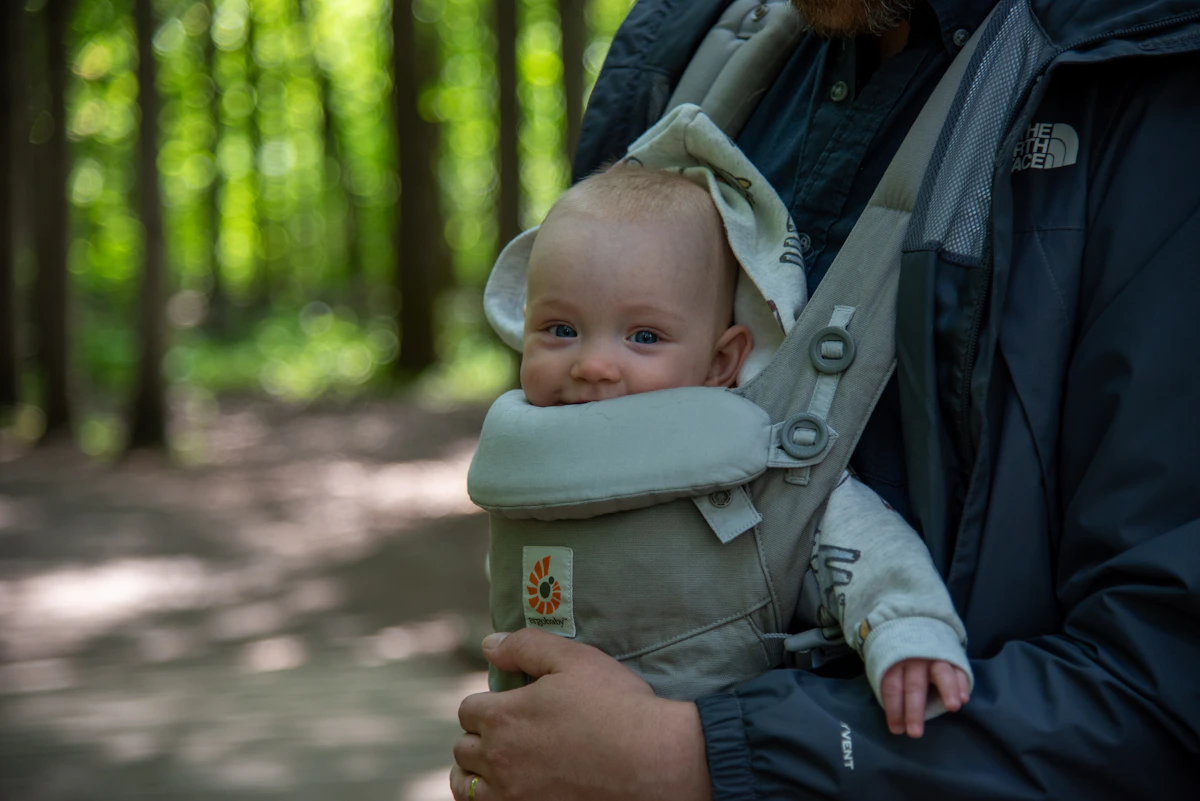
Babywearing for Beginners: How to Choose Your First Baby Carrier
Stretchy wraps, buckle carriers, hybrids - which one is right for you? A jargon-free guide to picking your first baby carrier.
You've seen them in the coffee shop. The parent with both hands free, baby sleeping peacefully against their chest, casually ordering a drink like they've cracked some ancient parenting secret. Meanwhile you're trying to wedge a pram through a gap that was clearly designed for someone without luggage. 😅
Babywearing isn't magic, but it does feel a bit like it once you get the hang of it. Hands free, baby happy, and you can actually navigate the world like a human being again. The tricky part? Choosing which carrier to buy when there are roughly seven thousand options and every parent you ask has a different favourite.
This is the no-nonsense guide to picking your first baby carrier, from someone who's waded through the jargon so you don't have to.
Why Bother With Babywearing?
Beyond the obvious perk of having your hands back, there are some genuinely brilliant reasons to try it. Babies who are carried tend to cry less. That's not anecdotal, it's been studied. The closeness regulates their temperature, heart rate, and breathing, and the gentle motion reminds them of being in the womb.
For you, it means getting things done. Making lunch, walking the dog, navigating public transport, going for an actual walk without the pram-kerb-wrestle. It's also wonderful for bonding, and not just for the birthing parent. Partners, grandparents, anyone can babywear.
The Main Types of Carrier (Jargon-Free Version)
Stretchy Wraps
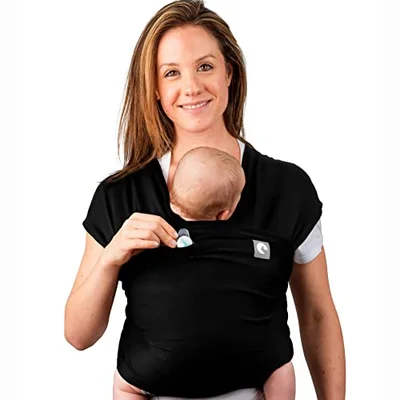
A stretchy wrap is basically a very long piece of jersey fabric that you tie around yourself to create a snug pouch for your baby. Sounds terrifying. Actually pretty simple once you've done it twice.
Best for: newborns up to about 7-8kg. The stretch makes them incredibly cosy for tiny babies but they lose support as your little one gets heavier. They're also brilliant for skin-to-skin contact in those early weeks.
The learning curve is real but short. Watch one YouTube tutorial, practice with a teddy bear, and you'll have it sorted within a couple of tries. The Trekki Pocket Wrap is a great entry point. It folds into its own front pocket so you can chuck it in your changing bag without it turning into a tangled mess.

Structured (Buckle) Carriers
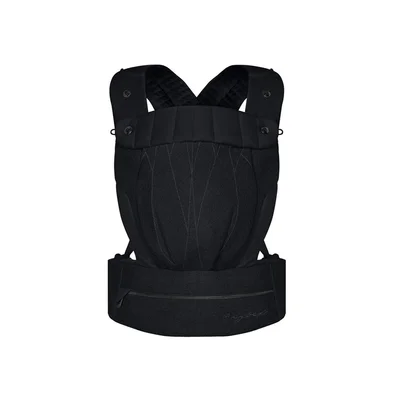
If the idea of wrapping fabric around yourself makes you break out in a cold sweat, a structured carrier might be more your speed. These look like mini backpacks with padded shoulder straps and a waist belt. Baby sits in a panel between the straps, and everything clips together with buckles.
Best for: parents who want something quick to put on and take off. Most structured carriers work from newborn (with an insert or built-in newborn setting) right through to toddlerhood, so they're a genuine long-term investment.
The CYBEX Coya is a beautifully designed option that's ergonomic for both parent and baby, with an adjustable seat width that grows with your child. It's at the premium end, but the build quality means it'll last through multiple children.

Hybrid Pre-Wrapped Carriers
Can't decide between a wrap and a buckle carrier? A hybrid gives you the snuggly, close feeling of a wrap with the convenience of a buckle closure. They come pre-shaped so there's no wrapping involved, but the fabric crosses over like a traditional wrap.
Best for: parents who love the idea of a wrap but don't fancy the tying process. They're particularly brilliant for the newborn stage when you want maximum closeness without the faff.
The Boba Bliss is a lovely example. It's pre-wrapped with a simple buckle at the back, made from organic cotton, and certified as hip-healthy. Pop baby in, click, done.
How to Pick the Right One for You
Forget what the internet tells you is "the best" carrier. The best carrier is the one you'll actually use. Here's what to think about:
- When will you start? If you want to carry from birth, a stretchy wrap or a structured carrier with a newborn insert is your best bet. If you're waiting until baby has head control (around 4 months), you have more options.
- How long do you want it to last? Stretchy wraps are brilliant for the first few months but have a weight limit. Structured carriers typically last until your child is 2-3 years old.
- What's your confidence level? If you want minimal faff, go structured. If you're happy to learn a new skill, wraps are incredibly rewarding.
- Will you share it? Structured carriers with adjustable straps are easiest to pass between partners of different sizes.
The Safety Bit (Important, Promise It's Quick)
The T.I.C.K.S. rule is the one thing to memorise. When your baby is in the carrier, check:
- Tight - the carrier should be snug enough that baby doesn't slump
- In view at all times - you should always be able to see baby's face
- Close enough to kiss - baby's head should be close enough to kiss the top of
- Keep chin off chest - make sure there's at least a finger's width between chin and chest
- Supported back - baby's back should be supported in a natural position
All reputable carriers are designed with this in mind, so as long as you follow the instructions and do a quick T.I.C.K.S. check each time, you're golden. 👍
Growing With Your Baby
One thing that catches new parents off guard is how quickly babies outgrow certain carriers. A stretchy wrap that was perfect at 3kg starts to feel saggy at 7kg. That's normal, not a fault with the wrap.
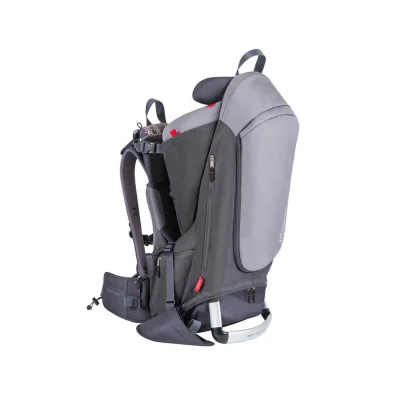
If you want a single carrier that'll genuinely take you from newborn to toddler, a well-made structured carrier is usually the answer. The Phil & Teds Escape is designed for exactly this, carrying babies from 3.5kg all the way up to 20kg with proper lumbar support so your back doesn't pay the price.

Your First Carry: Tips That Actually Help
Practice before baby arrives. Seriously. Use a doll or a bag of flour (not joking, it works). Get comfortable with the straps, buckles, or wrapping technique when you're not also managing a wriggly newborn.
Start at home. Your first few carries should be in the living room, not in the middle of a busy street. Baby might fuss for the first minute or two before settling. That's completely normal.
Stand in front of a mirror. Being able to see what you're doing makes everything easier, especially with wraps. And don't be afraid to ask for help. Your partner can spot you while you figure out the buckles for the first time.
Most importantly, give it more than one try. The first attempt with any carrier is always a bit awkward. By the third or fourth time, it'll feel like second nature. And then you'll be that smug parent in the coffee shop, both hands free, baby dozing, wondering what all the fuss was about. ☕
Ready to add a carrier to your wishlist? Pop one on your BubsNest registry and let friends and family know it's top of the list.
Ready to Create Your Baby Registry?
Start your free baby registry today and share it with friends and family.
Get Started Free