Dressing Your Baby for Cold Weather: The Layering Rules That Actually Work
One extra layer, not three. A place-by-place guide to keeping your baby warm in the cot, the pram, the car seat and the sling, plus the puffy coat rule that catches everyone out.
Here is the rule that does most of the heavy lifting, and somehow nobody hands it to you on the way out of the hospital: your baby needs one more layer than you are comfortable in. That is it. Not three more. One.
Most of us get this backwards. The first proper cold snap arrives, a well-meaning relative makes a comment about "the poor mite", and suddenly there is a baby in a vest, a sleepsuit, a fleece, a pramsuit and a blanket, quietly overheating on a ten-minute walk while you stroll along in a jumper.
The good news is that cold-weather dressing gets simple the moment you stop thinking about outfits and start thinking about places. What your baby needs in the cot is not what they need in the car seat, and the car seat rules are the ones that catch almost everyone out. 🍂
In the cot: let the TOG do the thinking
The instinct when the house gets chilly is to add a jumper or a cardigan over the sleepsuit. Resist it. Loose layers in a cot are the thing safe sleep guidance steers you away from, and they are also the least reliable way to keep a baby at a steady temperature all night.
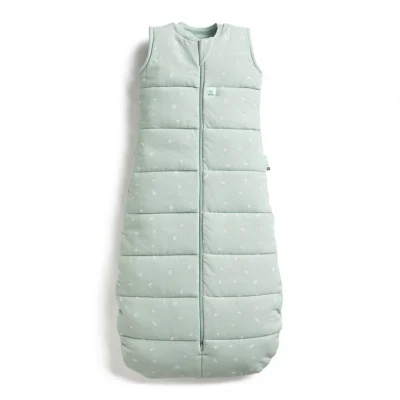
A sleeping bag solves it in one move. It cannot be kicked off, it cannot ride up over the face, and the TOG rating tells you exactly what you are working with. As the room cools, you step the TOG up rather than piling things on top.
The rough guide most parents work to:
- 0.5 TOG for a warm room, roughly 24 degrees and up
- 1.0 TOG for around 21 to 23 degrees
- 2.5 TOG for a cooler room, roughly 16 to 20 degrees, which is where most UK bedrooms land from October onwards
Underneath a 2.5 TOG bag, a long-sleeved sleepsuit is usually plenty. Add a short-sleeved vest underneath if the room is genuinely cold. That is the whole system.

A quick note on room temperature: 16 to 20 degrees is the range you are aiming for, and a lot of UK bedrooms sit slightly below it in winter without anyone noticing. A cheap room thermometer takes the guesswork out, and it stops you heating the nursery to tropical levels out of worry.
In the pram: one outer layer that comes off in one movement
Pram dressing has a different job. Your baby is going from a heated house, into cold air, into a warm shop, back into cold air, and then home. The layer that matters most is the one you can get off quickly with one hand.
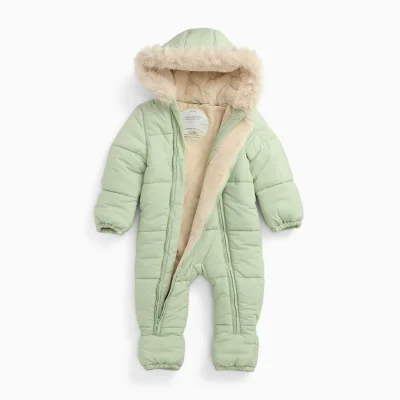
This is where a proper pramsuit or snowsuit earns its keep. A single zip, hood attached, feet covered, done. Compare that to a coat plus separate hat plus blanket plus mittens, all of which have to come off individually in the middle of a supermarket aisle while the pushchair rolls away from you.
Look for a full-length zip rather than poppers, and a hood that stays put. Fold-over cuffs that turn into mittens are the small detail that stops you losing a glove a week.
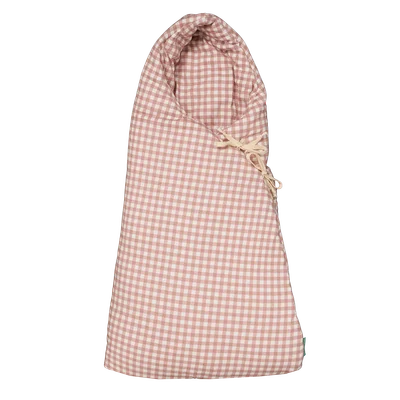
If your baby is small enough to still be lying flat, a footmuff is often the better buy. It stays attached to the pushchair, so it is never the thing you forgot, and you can dress your baby indoors in normal clothes and simply zip them into the warm bit at the door.
It also handles the temperature swings better. Too warm in the shop? Unzip the top half and leave it. No wrestling a sweaty baby out of a snowsuit.

In the car seat: the puffy coat problem
This is the one worth reading twice, because it is genuinely a safety point rather than a comfort one.
Thick padded coats and snowsuits are full of air. In a crash, that air compresses instantly, and the harness that felt snug over the coat is suddenly far too loose around the actual body underneath. The gap can be several centimetres. That is the difference between a harness that holds your baby and one that does not.
It is specifically the puffy, air-filled stuff that causes it. A fleece, a jumper or a solid knitted cardigan does not behave the same way, because there is no trapped air to squash out.
So the car seat routine is:
- Thin layers only - vest, sleepsuit, fleece or cardigan
- Harness done up properly and tightened against the body
- Blanket over the fastened straps, never underneath them
- Take the blanket off once the car warms up
A cellular blanket is the classic choice here for a reason. The holes are not a manufacturing shortcut, they are the point: they trap warm air while still letting air move, so it warms without the overheating risk of a solid fleece throw.
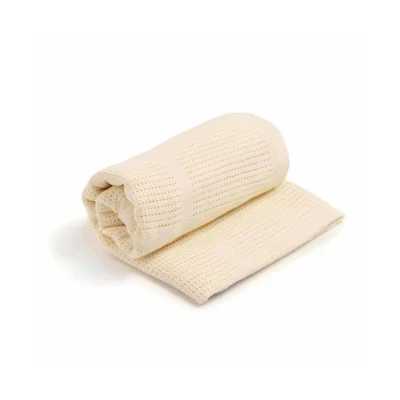

One thing that trips people up: if you are clipping the infant carrier onto a pushchair chassis and walking to the park, the coat rule does not apply. There is no crash risk on the pavement. Dress them warmly, then take the bulky layer off before the seat goes back in the car.
In the sling: you are the extra layer
Babywearing changes the maths completely, and mostly in your favour. Your body heat does a large share of the work, and the sling itself counts as a layer.
So dress your baby as you would indoors, then put your own coat on over the top of both of you if it will stretch that far. A baby in a full snowsuit inside a carrier inside your coat will get uncomfortably hot within ten minutes.
The bits that stick out are what need attention. Feet dangle, legs ride up, and hands find their way out of everything. Warm socks or booties and a hat, and you are sorted.
The head, and only the head
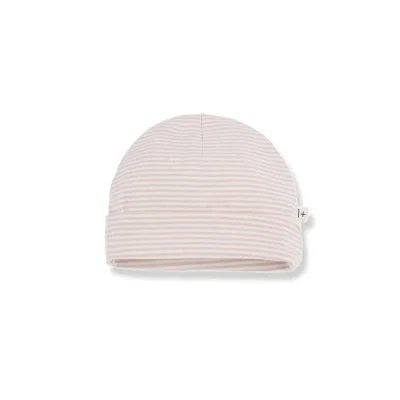
Babies lose a meaningful amount of heat through their heads, which is why a hat outdoors in cold weather is genuinely useful rather than just cute.
The flip side matters just as much: the hat comes off indoors, and it comes off in the car. A hat is how babies overheat fastest, and overheating is the risk you are actually trying to manage in winter, far more than being slightly chilly.
A soft, stretchy beanie that covers the ears and does not need tying is the useful kind. Newborn heads are small and change size fast, so a snug knit that stretches beats a structured hat you will replace in six weeks.
How to actually tell if they are too hot or too cold
Forget hands and feet. Baby extremities run cold and slightly blue-ish as a matter of course, and every parent has panicked over icy little fingers on a perfectly warm baby.
Check the chest or the back of the neck instead, with the back of your hand.
- Warm and dry - exactly right, leave it alone
- Hot, damp or clammy - too warm, take a layer off
- Genuinely cool - add one layer, then check again in ten minutes
Other signs of overheating worth knowing: flushed cheeks, damp hair at the back of the neck, breathing faster than usual, and unusual grumpiness. Babies almost never tell you they are too hot in a way that looks like "too hot".
What you actually need
The honest list is shorter than the shops would like:
- A sleeping bag in the right TOG for your coolest room
- One pramsuit or one footmuff, not both
- Two cellular blankets, because one is always in the wash
- A couple of soft hats
- Long-sleeved sleepsuits and vests you already own
That is the whole cold-weather kit. Everything else is a nice-to-have, and most of it will be outgrown before it gets worn twice.
If people keep asking what to get you and you would rather not end up with five snowsuits in the same size, put the useful things on a list and share it. You can set one up on your BubsNest registry in a few minutes, and it saves everyone the guessing.
Then go outside. Fresh cold air is brilliant for babies, and honestly it is brilliant for you too. 🧣
Ready to Create Your Baby Registry?
Start your free baby registry today and share it with friends and family.
Get Started Free