Early Labour at Home: A Cosy Game Plan for the Waiting Bit
Early labour can last hours, sometimes days. Here is how to rest, eat, move and soothe your way through it at home, and when to pick up the phone.
In the films, labour starts with a dramatic gush in the middle of a supermarket, followed by a screeching dash to the hospital. Ten minutes later, there is a baby.
Real life is usually a lot slower. And honestly? A lot less glamorous.
For many first-time mums, labour creeps in with a few period-like cramps, a niggly back and a vague sense that something is happening. This is early labour (midwives call it the latent phase), and it can last hours or even a couple of days. Most of it happens at home, on your sofa, in your comfiest joggers.
So let's make that bit as cosy and calm as possible. Think of this as your game plan for the waiting part.
Rest while you still can
Here's the slightly annoying truth: if early labour starts at bedtime, the best thing you can do is try to sleep through it. Even dozing between contractions counts.
It feels impossible when you're excited and a bit nervous. But the active part of labour needs energy, and you'll be very glad of every hour you banked.
- Lie on your side with a pillow between your knees
- Dim the lights, pop on a podcast or a calming playlist
- Have a warm bath or shower if your midwife is happy you can
- Ask your birth partner to rest too (someone needs to drive later!)
If it starts in the daytime, flip it around. Carry on gently with normal life for as long as feels okay. Bake something. Watch a comfort film. Distraction is your friend.
Eat, drink and keep sipping
You wouldn't run a marathon on an empty tank, would you? Early labour is the time for easy, carby snacks: toast, crackers, bananas, porridge, a bowl of pasta.
Little and often works best, especially if you're feeling a bit queasy. Keep water within arm's reach and sip between contractions so you don't get dehydrated.
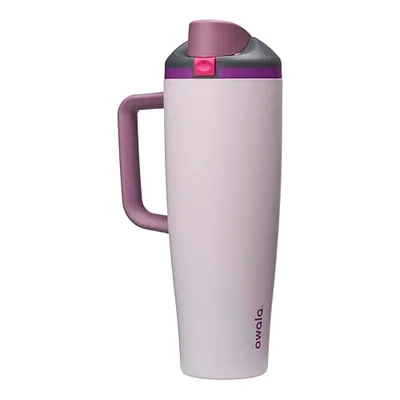
A big bottle with a built-in straw is weirdly brilliant here. You can drink lying down, leaning over the sofa or on all fours, without anyone holding a cup to your face. Pack it in your hospital bag afterwards and it'll keep you going through those thirsty early feeds too.

Keep moving (gently)
When you're upright and moving, gravity is on your side. Lots of women find that staying active helps contractions feel more manageable, and it can stop that trapped, tense feeling.
- Slow walks around the house or garden
- Swaying your hips, leaning on the kitchen counter or your partner
- Rocking or bouncing on a birth ball
- Kneeling and leaning forward over a pile of cushions
Then, when you need a break, rest. Swap between moving and resting as your body asks. There's no wrong way to do this bit.
Soothe the surges
This is where a little toolkit really earns its keep. Early labour is often when people reach for gentle, drug-free comfort measures, and a few of them work best if you start early.
A TENS machine is top of the list. It's a small battery pack with sticky pads that go on your lower back, sending little tingling pulses that many women find take the edge off. The trick is to put it on early, before contractions get strong, so it can build up its effect. You can't use it in a bath or birth pool, so it's ideal for the at-home stage.
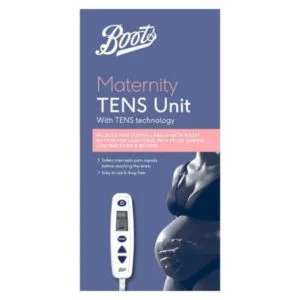

Do have a practice with it at around 37 weeks so you're not reading the instructions mid-contraction. Ask your partner to learn where the pads go too.
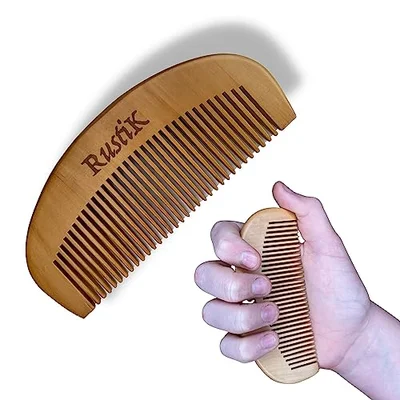
A labour comb sounds a bit odd, but stick with us. You squeeze the teeth into your palm during a contraction, which gives your brain a different sensation to focus on. It's cheap, it's small and it gives your hands something to do besides gripping the sofa cushions.
Other comfort ideas that cost nothing:
- A warm (not hot) wheat bag or hot water bottle on your lower back
- Firm massage from your partner, right over your sacrum
- Slow breathing, out for longer than you breathe in
- A favourite playlist, low lights and a few battery tea lights 🕯️
Time it, loosely
It's very tempting to time every single contraction from the very first twinge. Try not to! Staring at a stopwatch for 14 hours is exhausting and can make it feel like nothing is happening.
Instead, check in every so often. Time a handful of contractions in a row, note how long each one lasts and how far apart they are from the start of one to the start of the next, then put the phone down again.
A free contraction timer app makes this easy, or your partner can jot it down in a notes app. You're looking for a pattern: contractions getting longer, stronger and closer together. When you call, the midwife will usually ask for exactly this information.
Know when to pick up the phone
This is the bit everyone worries about. "What if I leave it too late?" "What if they send me home?"
First, being sent home is really common, especially with a first baby. It doesn't mean you've done anything wrong. It just means early labour is doing its slow, steady thing.
Your midwife or maternity unit will give you their own guidance on when to come in, so ask about it at your antenatal appointments and write it on the fridge. Usually it's something along the lines of contractions coming regularly and strongly every few minutes.
But never wait for a pattern if something feels off. Ring your maternity unit straight away if:
- Your waters break, or you think they might have
- You notice any bleeding
- Your baby's movements change or slow down
- You're in a lot of pain between contractions, or you feel unwell
- You simply feel worried. That's always a good enough reason 💛
Save the number in both your phone and your partner's, and stick it somewhere obvious too. You don't want to be scrolling through emails for it mid-contraction.
Get your nest ready before the day
The calmest early labours we've heard about all have one thing in common: the boring prep was done weeks before. Snacks in the cupboard, hospital bag by the door, TENS charged, car seat fitted, phone numbers saved.
If friends and family keep asking what you'd like, labour comfort bits make thoughtful, genuinely useful gifts. Pop them on your BubsNest wishlist alongside the baby gear, so you're not dashing out for a TENS at 38 weeks.
Early labour is the warm-up, not the main event. Rest when you can, eat what you fancy, move when it helps and lean on your toolkit. You've got this.
Ready to Create Your Baby Registry?
Start your free baby registry today and share it with friends and family.
Get Started Free