Feeding Your Baby: The Kit That's Actually Worth Buying
An honest guide to the feeding kit that actually earns its place in your kitchen, from breastfeeding basics and breast pumps to bottles, sterilisers, and formula prep machines.
You do not need to have your entire feeding plan sorted before your baby arrives.
There, I said it. And I know that goes against roughly 90% of what the internet will tell you during pregnancy. Every checklist, every "essentials" list, every well-meaning relative will have an opinion on whether you should breastfeed or bottle feed, and exactly which seventeen items you need to buy for each option.
The reality? Most parents end up doing a combination of both. Plans change. Babies have their own ideas. And the kit you actually use every day looks nothing like that perfectly curated flat lay on social media. 🍼
So here is my honest, no-fluff guide to the feeding kit that genuinely earns its place in your kitchen, and the stuff you can safely skip.
Breastfeeding Basics
If you are planning to breastfeed (or even just want to give it a go), you need surprisingly little to get started. Your body does most of the work. But there are a few things that make the early weeks significantly more comfortable.
A good nursing bra is non-negotiable. You want something soft, supportive, and easy to unclip with one hand at 2am. Avoid anything with underwire for the first few months, as your size will change more than you expect.
Nipple cream is another genuine essential. Those first couple of weeks can be rough, and a good lanolin-based cream makes a real difference. Breast pads too, because leaking is normal and nobody warns you quite how much.
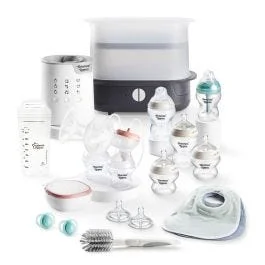
A breastfeeding starter bundle is honestly the smartest buy, because it pulls together all the bits you would otherwise forget.
One thing I would add: a decent water bottle with a one-handed lid. Breastfeeding makes you unbelievably thirsty, and you will always sit down to feed without a drink within reach. Every single time.
Pumping: Do You Actually Need One?
Not everyone needs a breast pump. If you are exclusively breastfeeding and always with your baby, you might never use one. But if you are going back to work, want your partner to do some feeds, or just want the freedom to leave the house without a ticking clock, a pump is a game-changer.
Manual pumps are cheap and portable, great for occasional use or relieving engorgement. But if you are pumping regularly, an electric pump saves your hands and your sanity.
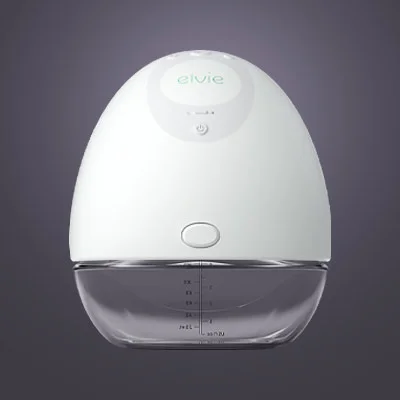
The real upgrade? A wearable pump. You pop it in your bra and carry on with your life. No tubes, no sitting attached to a wall socket, no feeling like a dairy cow. 🙌


Whichever pump you choose, grab a set of milk storage bags too. They are cheap, they stack flat in the freezer, and having a small stash of expressed milk in reserve is genuinely reassuring.
Bottles and Teats
Whether you are combination feeding, exclusively bottle feeding, or introducing a bottle so someone else can do the night shift (excellent plan, by the way), you will need bottles.
Here is the thing nobody tells you: your baby might reject the first bottle you try. And the second. Some babies are fussy about the teat shape, some about the flow rate, some about the temperature. It is deeply annoying, but it is normal.
Start with a set of one brand rather than buying five different bottles. Most babies are perfectly happy with a standard anti-colic bottle. If they refuse, then try a different shape. No need to panic-buy the entire feeding aisle on day one.
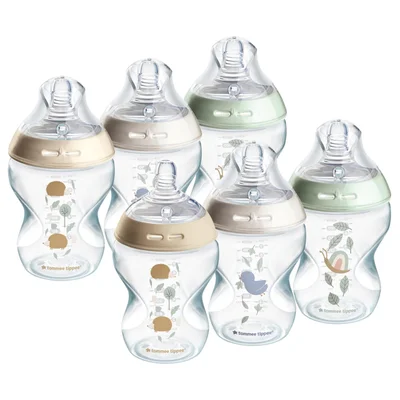

A few practical tips: buy more teats than you think you need (they wear out and need replacing every two months), and get a bottle brush with a teat brush included. You will use it multiple times a day and wonder how something so boring became so essential.
Sterilising
Everything that touches milk needs sterilising for at least the first twelve months. That means bottles, teats, pump parts, dummies, the lot. It sounds like a chore, and honestly, it is. But the right setup makes it almost painless.
You have three main options: microwave steriliser bags (cheap but fiddly), cold water sterilising tablets (simple but slow), or an electric steam steriliser (the most popular choice for good reason).
An electric steriliser takes about six minutes and fits a full day's worth of bottles. Some newer models also dry everything afterwards, which means you are not fishing damp bottles out of a puddle of condensation at midnight. Worth it.
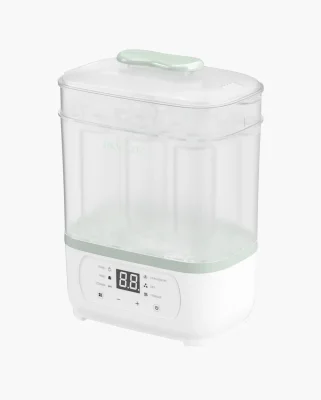
Whichever method you pick, pair it with a bottle drying rack. A cheap vertical one takes up almost no counter space and keeps everything organised. You will be washing, sterilising, and drying bottles on rotation for months, so a little system goes a long way.
Formula Prep
If you are using formula (whether exclusively or as a top-up), the single most useful thing you can buy is a prep machine. Yes, you can make bottles by hand. You boil the kettle, wait for it to cool to the right temperature, measure the powder, shake it, test it on your wrist. At 3am with a screaming baby, this process feels approximately four hours long.
A prep machine does it in under two minutes. Perfect temperature, perfect measurement, minimal faff. It is the one item that every formula-feeding parent I know says they could not live without. 💛
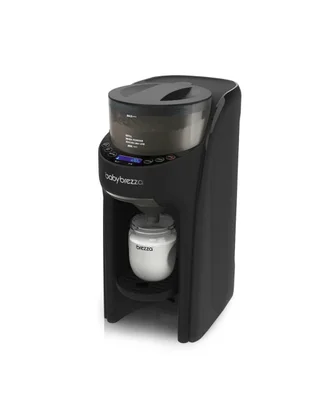


If a prep machine is not in the budget, a flask of pre-boiled water by the bed works surprisingly well for night feeds. Fill it before you go to sleep, and you have got water at roughly the right temperature ready to go.
What You Can Safely Skip
Not everything on those giant registry checklists is necessary. Here is what most parents end up not using:
- A bottle warmer - most babies are perfectly happy with room temperature milk, and you can warm a bottle in a jug of hot water in two minutes
- A special feeding pillow - a regular cushion or folded blanket works just as well for most people
- Formula dispensers for going out - pre-measured pots are handy but a small tupperware does the same job
- Fancy bottle brushes with UV sterilisers - a basic brush and your normal steriliser method is all you need
Save the money for the things that actually matter. More sleep sacks. More muslins. Maybe a takeaway for the fourth night in a row. No judgement here.
The Honest Summary
Feeding your baby, however you do it, is one of those things that sounds simple and turns out to be surprisingly complicated. But you do not need a kitchen full of gadgets to get it right.
Start with the basics. See what works for you and your baby. Add bits as you need them. And remember that the "right" way to feed your baby is whichever way keeps them fed and you sane.
If you are building your registry and want to add feeding essentials to your list, you can create your BubsNest wishlist here and share it with family and friends. That way, you get the stuff you actually need instead of twelve muslin cloths and a decorative bunny. 🐰
Ready to Create Your Baby Registry?
Start your free baby registry today and share it with friends and family.
Get Started Free