The First 24 Hours at Home with Your Newborn
Practical, honest advice for surviving (and enjoying) your first day at home with a new baby. Sleep, feeding, nappy changes, and looking after yourself.
Here is everything your newborn actually needs in their first 24 hours at home: somewhere to sleep, something to eat, a clean nappy, and you. That is literally the whole list.
Everything else, the matching nursery, the perfectly folded muslins, the six different types of bottle you panic-bought online at 11pm, can wait. Your baby does not care about any of it. They care about being warm, being fed, and being close to you. So take a breath. You have got this. 🏠
The Setup: Keep It Simple
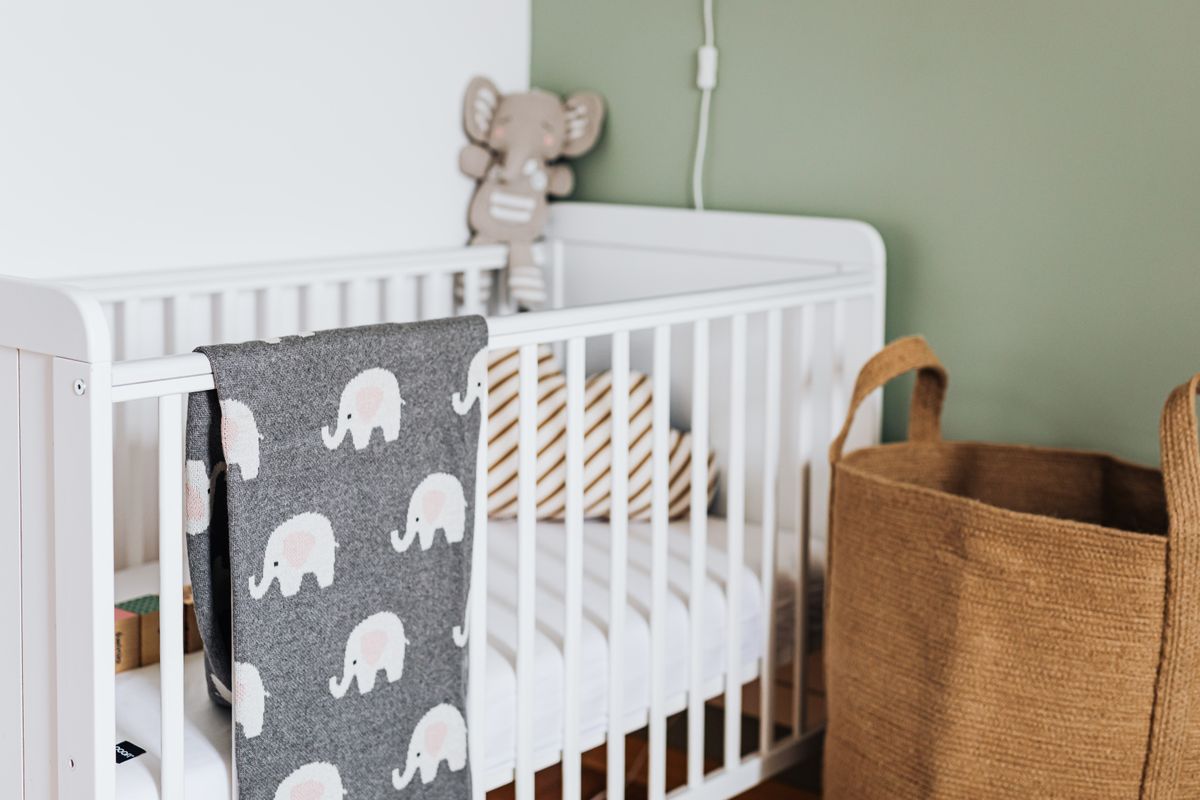
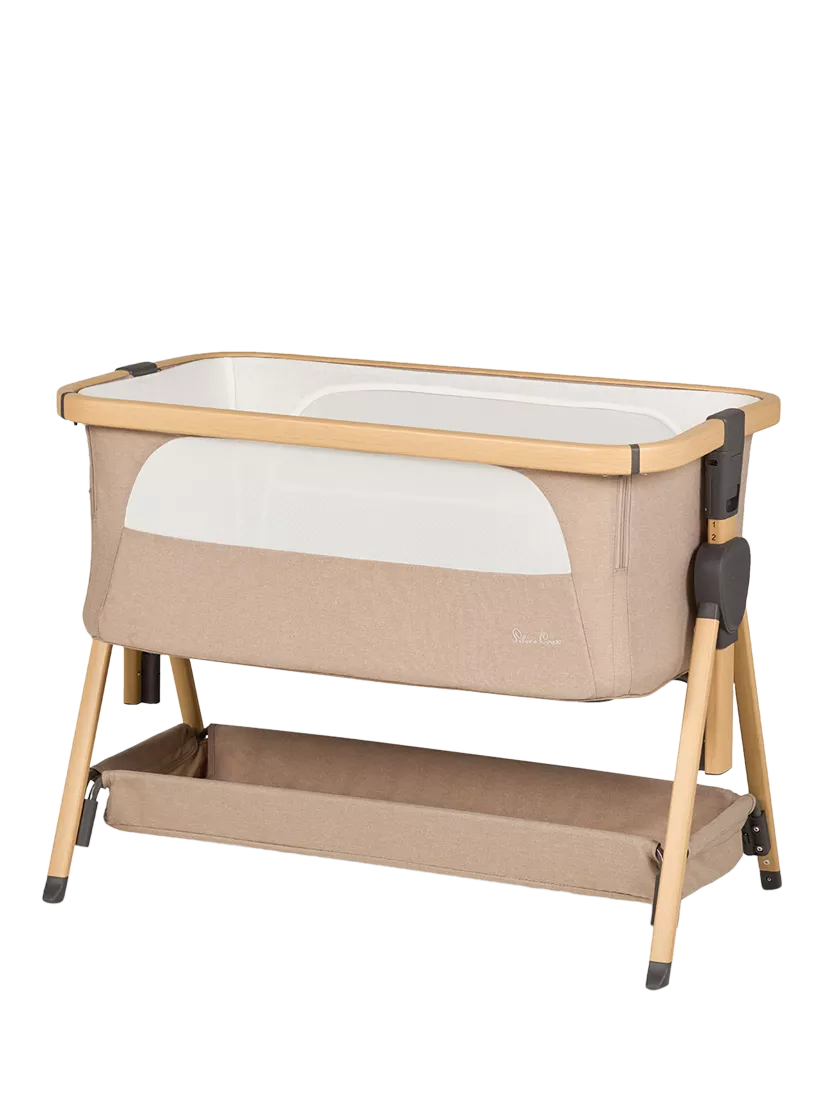
You do not need the entire nursery assembled and Pinterest-perfect before you walk through the door. What you actually need for the first night is a safe sleep space right next to your bed. A bedside crib is ideal for this because you can see your baby without sitting up, reach them for night feeds, and reassure yourself that they are still breathing every seven minutes. You will check. Everyone checks. It is completely normal.
Put the crib together before the baby arrives if you can. Future you, running on adrenaline and hospital sandwiches, will be enormously grateful. Keep a few essentials within arm\'s reach of your bed: muslins, nappies, a water bottle for you, and your phone charger. That is your command centre for the next few days.


Feeding: It Will Be Constant
Whether you are breastfeeding, bottle feeding, or doing a combination of both, the first 24 hours will feel like one long, continuous feed. Newborns have stomachs the size of a cherry on day one. They fill up fast and empty fast, which means they want feeding constantly. This is normal, not a sign that something is wrong.
If you are breastfeeding, get comfortable. Seriously, comfort is everything. Pile up cushions, find a position that does not make your back ache, and keep snacks and water within reach. If the latch feels painful or something does not feel right, ask for help early. A midwife, a feeding support helpline, or a lactation consultant can make an enormous difference in those first few days.
If you are formula feeding, have a few bottles pre-sterilised and ready to go. Practice making one up before the baby arrives so you are not squinting at instructions at 2am with shaking hands. And if you are doing a mix of both? That is completely fine too. Fed is fed. 🍼
Nappy Changes: Your New Full-Time Job
A newborn will go through roughly ten to twelve nappies in 24 hours. Yes, really. The first ones will contain meconium, that dark, sticky, tar-like substance that looks alarming but is completely normal. It gets much easier to clean after a day or two when things transition to a more standard colour and consistency.
Set up a changing station wherever you will spend most of your time. It does not need to be elaborate. A changing mat on a flat surface, a stack of nappies, cotton wool or wipes, and a good barrier cream is all you need. Applying cream from the very first change helps prevent soreness before it starts.

A top tip from experienced parents: keep a spare set of supplies downstairs as well. You do not want to climb the stairs fourteen times a day because everything is in the nursery and you are camped on the sofa. Also, when changing a boy, always point the nappy down when opening. You will learn why exactly once.


The First Bath: There Is No Rush
Here is something that surprises a lot of new parents: you do not need to bath your newborn straight away. Many healthcare professionals recommend waiting a few days. The white, waxy coating on their skin (vernix) is actually protective, and a quick top-and-tail with cotton wool and warm water is plenty for the first day or two.
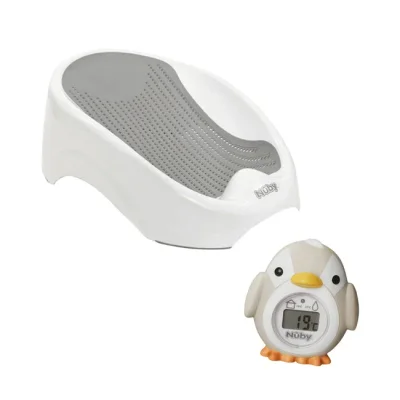
When you do get round to that first proper bath, keep it short, keep the room warm, and have a towel ready to wrap them up immediately. Newborns lose body heat quickly, and a cold baby is a screaming baby. A bath support is genuinely useful here because it frees up both your hands and makes the whole thing feel a lot less nerve-wracking.

Settling and Sleep
Newborns do not know the difference between day and night. They will sleep in short bursts, usually two to four hours at a time, and wake when they are hungry, uncomfortable, or just fancy a cuddle. This is completely normal and it will not last forever, even though right now it feels like it might.
For settling, skin-to-skin contact is your best tool. Holding your baby against your bare chest regulates their temperature, calms their breathing, and helps them feel safe. It works brilliantly for both parents, not just mum.
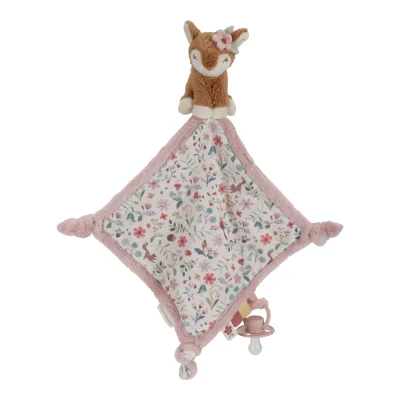
A soft comforter cloth can also help with the transition from arms to crib. Something small that smells like you, kept near (but never inside) the sleep space during the day, gives them a familiar scent when they are put down. Some parents sleep with a comforter for a night before baby arrives so it picks up their scent ready.

Safe sleep reminder: always place your baby on their back, on a firm, flat mattress, with no pillows, toys, or loose bedding in the crib. A sleeping bag or well-fitted sheet is all they need.
Looking After You, Too
One last thing, and this one matters: the first 24 hours are not just about the baby. You have just been through something enormous. Your body is recovering. Your hormones are doing something completely wild. And your emotions will be all over the place.
Eat properly. Drink water. Accept every single offer of help. If someone asks what they can bring, say food, always say food. If your partner or a family member can take a shift so you can sleep for two uninterrupted hours, let them. You do not earn extra points for doing everything alone.
And when you are sitting on the sofa at some point during that first day, holding this tiny person and feeling a strange mix of joy, terror, love, and complete overwhelm, know this: every single new parent who has ever lived has felt exactly the same thing. You are doing brilliantly. 💛
Building your BubsNest registry? Add the essentials for those first few days so your friends and family can help you get set up before the big arrival.
Ready to Create Your Baby Registry?
Start your free baby registry today and share it with friends and family.
Get Started Free