Your First Trimester Survival Guide: What Actually Helps (and What Can Wait)
The first twelve weeks are often the hardest, the weirdest, and the loneliest. Here is what genuinely makes a difference when you cannot tell anyone yet.
The two pink lines appear. Your heart does something it has never done before. And then, instead of the glowing, joyful montage you imagined, the first trimester hits you like a freight train made entirely of crackers and naps.
Here is the thing nobody puts in the brochure: the first twelve weeks of pregnancy are often the hardest, the weirdest, and the loneliest. You are growing an actual human being, your body is doing something genuinely extraordinary, and you probably cannot tell a soul. 🤰
This guide is the one I wished I had found at six weeks, when I was googling "is it normal to be this tired" at 4pm on a Tuesday.
The Nausea Situation
"Morning sickness" is one of the great misnomers of all time. It should be called "any time of day sickness" or, more accurately, "this is my life now sickness." Around 70% of pregnant women experience nausea in the first trimester, and for some it is an all-day affair that starts the moment they open their eyes.
What actually helps varies wildly from person to person, but the things that come up again and again in parent forums are: plain crackers before getting out of bed, ginger biscuits (controversial, but they work for some), eating little and often rather than big meals, and staying relentlessly hydrated.
The hydration piece is genuinely important. Dehydration makes nausea worse, and nausea makes you not want to drink, which makes the dehydration worse. It is a miserable little cycle. Having a water bottle within arm's reach at all times, one with a straw so you can sip without sitting up, makes a bigger difference than you would think.
The Bone-Deep Tiredness
First trimester fatigue is not "a bit sleepy." It is a tiredness that reaches into your bones and rearranges your entire understanding of the word "exhausted." Your body is building a placenta from scratch, flooding itself with progesterone, and increasing blood volume by roughly 50%. Of course you are tired.
The best advice? Give in to it. Sleep when you can. Go to bed at 8pm without guilt. If you are at work, that lunchtime power nap in the car might become your best friend.
A pregnancy pillow might feel premature when your bump is barely visible, but breast tenderness and general aching can make getting comfortable difficult even this early. A good C-shaped pillow supports your back and knees without taking over the entire bed (well, mostly).


Your Wardrobe Is Already a Problem
You might not have a visible bump at eight weeks, but bloating? Oh, the bloating. Progesterone slows down your digestion, which means your jeans stop fitting long before you have anything resembling a baby bump to show for it.
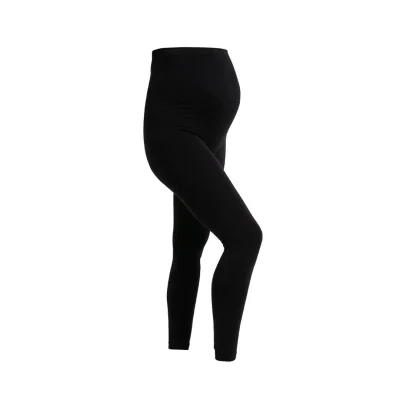
You do not need a full maternity wardrobe yet. But one or two pairs of comfortable leggings with a supportive, stretchy waistband will save your sanity. Maternity leggings that grow with you from first trimester bloat through to full bump are a genuinely good early investment, because you will wear them for months and months.


Skin, Stretch Marks, and Starting Early
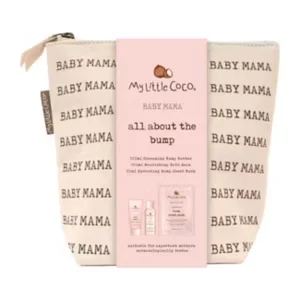
There is a lot of debate about whether creams and oils can actually prevent stretch marks. The honest answer is that genetics play the biggest role. But keeping your skin well-moisturised and elastic from early pregnancy can help with the itching and tightness that comes as things start to stretch, and it feels like a lovely little act of self-care during a time when self-care tends to mean "eating crackers in bed."
Starting a bump care routine in the first trimester, before you really need it, means it is already a habit by the time your skin is working its hardest. Look for something with nourishing oils and natural ingredients that you can use daily without overthinking it.

The Emotional Bit
Keeping a pregnancy secret for twelve weeks is a strange experience. You are riding the most significant emotional rollercoaster of your life, and nobody at work knows why you turned down the drinks at lunch. "I am on antibiotics" becomes your most-used phrase.
Mood swings are real, and they are hormone-driven. You might cry at an advert for bread. You might feel an overwhelming surge of anxiety about something you have done a hundred times before. You might feel absolutely nothing when you expected to feel everything. All of it is normal.
If it helps, tell someone. You do not have to wait until twelve weeks to share the news with people you trust. The "twelve-week rule" is a personal choice, not a medical requirement. Having even one person who knows can make the lonely bits feel a whole lot less lonely.
What NOT to Buy Yet
I know it is tempting. You see the positive test and immediately start browsing pushchairs and picking nursery paint colours. But the first trimester is genuinely not the time to commit to big purchases.
Things that can wait: the pushchair (your preferences will change as you learn more), the cot (you have months), the nursery furniture (ditto), and most of the newborn clothes (people will buy you an astonishing amount of tiny outfits whether you want them to or not).
Things worth doing now: start a wishlist. Browse. Pin. Dream. Having a central place to save the things that catch your eye means that when you are ready to buy, or when people ask what you need, everything is already in one place.
You Have Got This
The first trimester is weird and wonderful and occasionally awful. You will feel like you have been hit by a bus one day and completely fine the next. You will worry about everything, google things you absolutely should not google, and eat your body weight in toast.
And then, before you know it, the nausea fades, the energy creeps back, and the twelve-week scan makes the whole thing feel suddenly, wonderfully real. 💛
Until then, be gentle with yourself. Eat the crackers. Take the nap. And know that the exhausting, nauseating, secretly exciting first trimester is doing something extraordinary.
Ready to Create Your Baby Registry?
Start your free baby registry today and share it with friends and family.
Get Started Free