Your Hospital Bag Checklist: What You Actually Need (and What Can Stay Home)
Every hospital bag list on the internet is 47 items long. Here is what you will genuinely use, what your baby actually needs, and the secret MVP items no one talks about.
Every hospital bag list on the internet is at least 47 items long. Scented candles, a bluetooth speaker, a "positive affirmations" printout, three different sizes of Tupperware, and a full skincare routine. You read the list at 35 weeks, quietly panic, and then buy a second holdall because there is absolutely no way all of this is fitting into one bag.
Here is the truth: most people use about half of what they pack. The candle never gets lit. The nice pyjamas get swapped for the hospital gown. And the carefully curated playlist is abandoned in favour of breathing very loudly and telling your birth partner to stop talking.
So this is the stripped-back version. What you will genuinely use, what your baby actually needs, and the few secret items that make an enormous difference and rarely appear on the standard lists. Pack this, and you are golden. 🌟
When to Pack (and How to Stay Calm About It)
Aim for around 34 to 36 weeks. Early enough that you are not frantically stuffing things into a bag during contractions, late enough that you have actually bought the things you need.
A popular tip from parents who have been through it: use two separate bags. One for you, one for baby. It sounds extra, but when you are one-handed, exhausted, and trying to find a tiny hat at 4am, you will be very glad everything is not jumbled together in one enormous holdall.
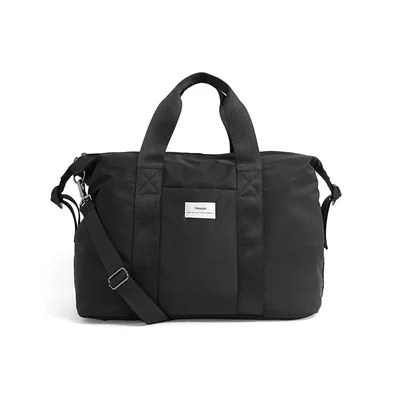

If two bags feels like overkill, packing cubes work brilliantly. One cube for labour, one for afterwards, one for baby. Same idea, one bag.
What to Pack for You
For labour itself
Keep this light. You might be in labour for a while, but you will not be rummaging through your bag during contractions.
- An old, dark-coloured t-shirt or nightie you do not mind ruining (labour is messy, there is no polite way to say it)
- Thick socks with grip - your feet will get cold, and hospital floors are slippery
- Lip balm - gas and air dries your lips out remarkably fast
- Hair ties or a headband if you have longer hair
- A water bottle with a sports cap or straw, so your birth partner can hold it to your mouth
- High-energy snacks: cereal bars, dried fruit, jelly sweets. You will need fuel and the hospital shop will probably be shut
For after the birth
This is the bit most lists underestimate. You might be on the postnatal ward for a few hours or a few days, and comfort becomes everything.
- Button-front pyjamas or a nightie (easy access for skin-to-skin and feeding)
- Big, comfortable pants - think supermarket multipack, not your nice ones. You will be wearing maternity pads and you will not care about aesthetics
- Maternity pads - and more than you think. Pack at least two packs
- Toiletries: toothbrush, toothpaste, face wipes, deodorant, shower gel. Simple stuff, but forgetting your toothbrush is surprisingly common and surprisingly miserable
- A loose, comfortable outfit to go home in - leggings and an oversized top are perfect
- Flip flops or sliders for the shower
- An extra-long phone charging cable (the sockets are never where you expect them)
The Recovery Bits Nobody Mentions
This section is the one your antenatal class probably skipped. Your body has just done something extraordinary, and the first few days of recovery are intense. Packing a couple of targeted products makes an enormous difference to how you feel.
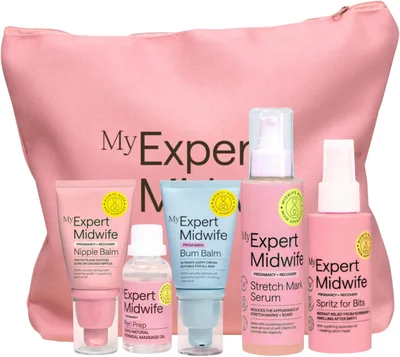

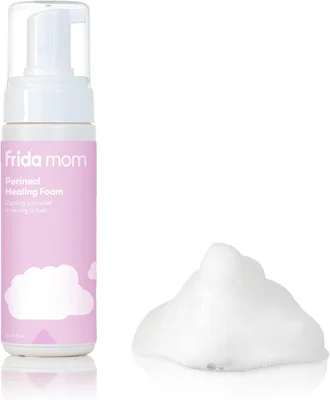
Perineal care is not glamorous, but it matters. Cooling pads or a soothing spray can turn those early trips to the bathroom from dreaded to manageable. If you had stitches, you will use these constantly for the first week, so having them in your hospital bag from the start means you are not sending someone out on a panicked pharmacy run.
A small thing that makes a big difference: pack a dark towel from home. Hospital towels are thin, rough, and approximately the size of a flannel. Having your own towel for that first shower after birth - the best shower of your entire life, genuinely - is a tiny luxury that feels enormous.
What to Pack for Baby
Babies need far less than you think. They have just spent nine months needing literally nothing except you, and their requirements for the first 48 hours are beautifully simple.
- Nappies - a small pack of newborn size. The hospital usually provides some, but having your own means one less thing to worry about
- Cotton wool or a pack of water wipes for those first nappy changes (meconium is a whole experience)
- 3-4 bodysuits or sleepsuits in newborn size, plus one or two in "up to 1 month" just in case your baby has other ideas about sizing
- A hat - newborns lose heat through their heads quickly
- A cardigan or jacket for the journey home
- Muslins - you will use these for everything. Burping, wiping, covering, swaddling in a pinch. Pack at least three


For the going-home moment, a soft sleepsuit is all you need. This is the outfit that will appear in every photo you take that day, so choose something you love, but do not overthink it. Your baby could not care less. You, however, will look at these pictures forever. 💖
The Secret MVP Items
These are the things that rarely make the standard lists but consistently come up when parents are asked what they actually used most.
A thermal travel mug. You will be handed approximately forty cups of tea in hospital. Every single one of them will go cold before you drink it, because you will be feeding, holding, or staring at your baby. A lidded mug keeps it warm.
Ear plugs and an eye mask. Postnatal wards are noisy. Other babies crying, machines beeping, doors opening, lights that never fully go off. If you want any chance of sleep, these are non-negotiable.
Cash. It sounds old-fashioned, but vending machines, car park meters, and the hospital shop sometimes only take coins or cards. Having a tenner in your bag covers the random stuff.
A going-home outfit for you that is not your pre-pregnancy jeans. Your body will still look and feel pregnant for a while after birth. Pack something stretchy, comfortable, and kind. Maternity leggings and a big soft top. You have just done the most amazing thing. Comfort is the only dress code.
What You Can Honestly Skip
You do not need a dressing gown (it will get in the way and you will be too warm). You do not need breast pads yet (your milk will not come in for a few days). You do not need a full going-home outfit for baby complete with shoes and accessories (they will be asleep in a car seat). You do not need ten muslin cloths, five blankets, or a baby sleeping bag for the hospital.
And the scented candle? Leave it at home. Most hospitals do not allow open flames on the ward, and frankly, you will have bigger things on your mind.
The Quick Checklist
If you want the bare minimum, here it is:
- For labour: dark t-shirt, grip socks, lip balm, water bottle, snacks, phone charger
- For after: button PJs, big pants, maternity pads, toiletries, comfy going-home outfit, recovery products
- For baby: nappies, wipes, 3-4 sleepsuits in two sizes, hat, muslins, one going-home outfit
- Secret MVPs: thermal mug, ear plugs, eye mask, cash, your own towel
Pack it at 35 weeks. Put it by the front door. And then stop reading hospital bag lists on the internet at midnight. You have got this. 💛
Want to get all of this organised in one place? Add your hospital bag essentials to your BubsNest registry so your people know exactly what you still need.
Ready to Create Your Baby Registry?
Start your free baby registry today and share it with friends and family.
Get Started Free