Your Hospital Bag: What to Actually Pack (and What Those Instagram Videos Get Wrong)
Forget the colour-coded tissue paper and matching pyjama sets. Here is what actually belongs in your hospital bag, what to leave at home, and the one item every midwife begs you not to forget.
Those viral hospital bag packing videos have a lot to answer for.
You know the ones. Everything is folded in tissue paper and arranged by colour. There are tiny coordinated outfits, luxury candles, matching pyjama sets, and a selection of organic snacks displayed like a Waitrose hamper. The bag itself is always pristine. The person packing it looks serene. The comments are full of heart eyes.
And then there is real life. Where you are 36 weeks pregnant, sitting on the bedroom floor surrounded by random toiletries, wondering whether you really need three nighties or if two will do, and slightly panicking about whether the hospital will provide those mesh pants or if you need to source your own.
Good news: you do not need the Instagram version. You need the version that actually works when you are exhausted, emotional, and operating on approximately zero sleep. Here is exactly what goes in the bag, what stays home, and the few things the videos never mention. 🧳
The Bag Itself: Bigger Than You Think
First things first. Whatever bag you are using, it needs to be bigger than you expect. You are packing for two people, potentially for a stay of one to three nights, and you will accumulate things while you are there. Leaflets, notes, the tiny hat they gave you, that weird bendy straw from the maternity ward.
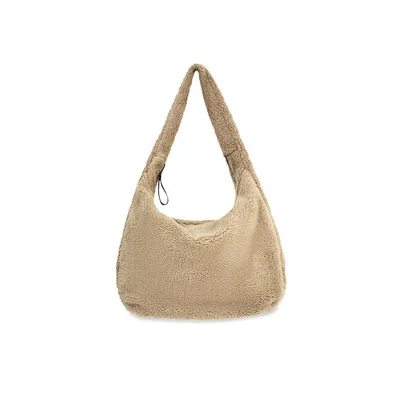
A changing bag works brilliantly as a hospital bag because you will use it for months afterwards anyway. Look for something with multiple compartments so you can separate your stuff from baby's stuff without rummaging through everything at 3am. A backpack style is easier to carry than a tote when you are also holding a car seat, a bouquet of flowers, and your remaining dignity.
Your Essentials: The Non-Negotiables
Let us start with you, because this is the part that always gets less attention than the tiny socks. You matter in this scenario. Quite a lot, actually.
Pack at least two nightdresses or loose pyjamas that open at the front if you are planning to breastfeed. Dark colours are your friend here, for reasons you will understand shortly. Sliders or flip flops for the shower. Your own towel, because hospital ones have the absorbency of a paper napkin. Toiletries you actually use, not a selection of miniatures you grabbed in a panic. Your toothbrush. Your phone charger. A long phone charger.
Seriously. The longest phone charger you can find. Hospital beds are never near the plug sockets and you will want your phone for everything from timing feeds to messaging everyone the news to watching three episodes of something at 4am while the baby sleeps on your chest.
The Postpartum Bits That Are Not on Instagram
Here is where the packing videos go suspiciously quiet. After giving birth, your body needs specific things that are not particularly photogenic but are absolutely essential.
Maternity pads. Not regular pads, proper thick maternity ones. You will go through more than you think. Pack at least two packets. Disposable postpartum underwear is genuinely life-changing here, big comfortable pants that you do not care about ruining. They sound unglamorous. They are the best thing you will pack.


If you are planning to breastfeed, throw in some breast pads and nipple cream. A water bottle with a straw is essential because you will be thirsty constantly and drinking from a regular bottle while holding a baby is an unnecessary challenge. Snacks. Lots of snacks. Flapjacks, cereal bars, dried fruit, anything that does not need refrigeration and can be eaten one-handed. Labour is called labour for a reason, and the toast they bring you afterwards will be the best thing you have ever eaten, but it will not be enough.
Baby's Bag: Less Than You Think
Here is a comforting truth. Babies need remarkably little in those first few days. The hospital will usually provide nappies and cotton wool for the first day or two. After that you are onto your own supplies, but you really do not need to pack the entire nursery.
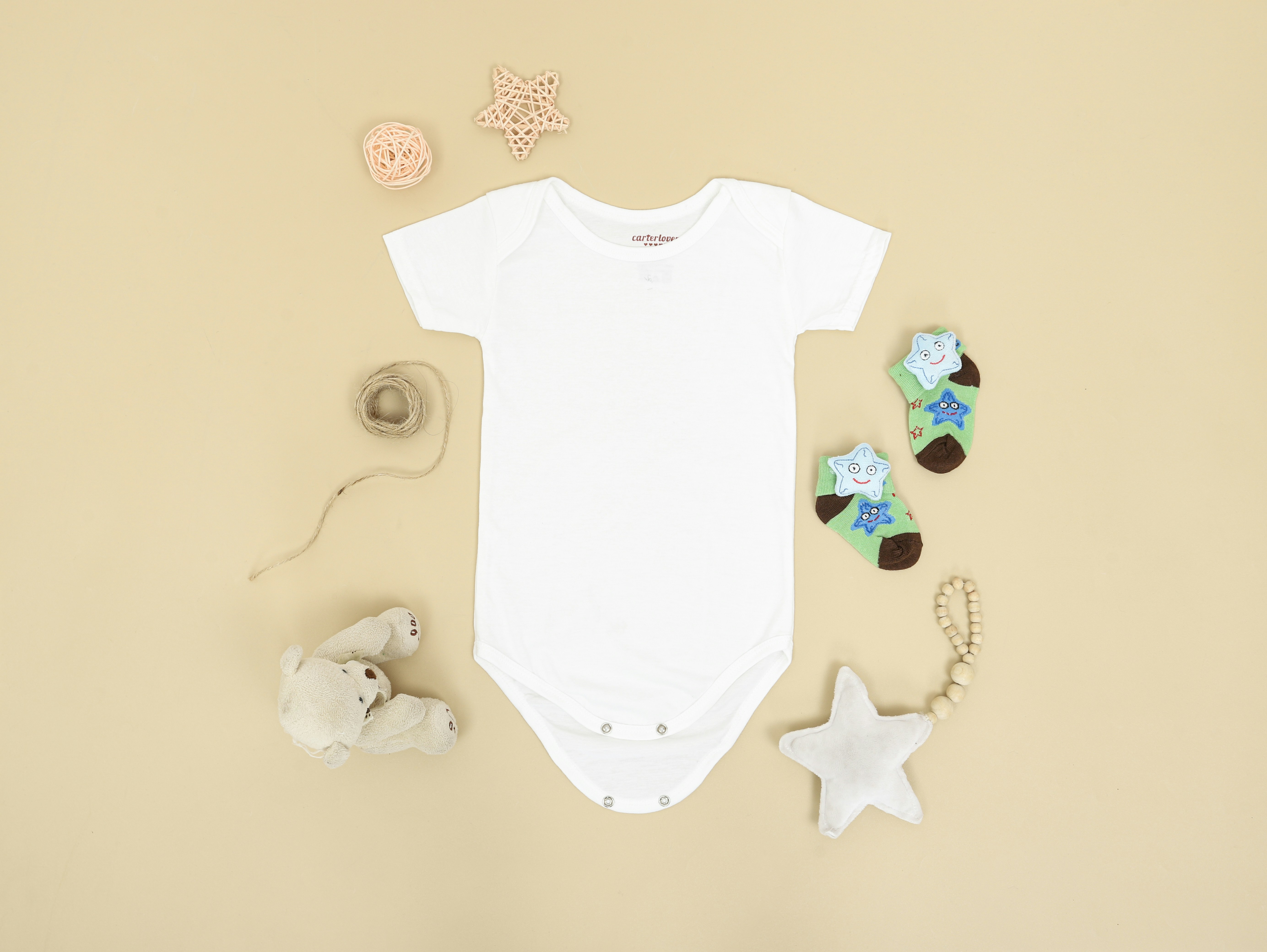
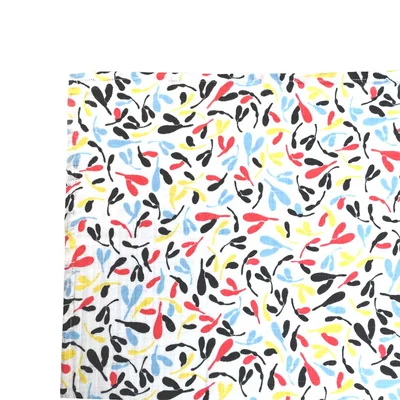
Bring 6 to 8 newborn nappies, a small pack of sensitive baby wipes or cotton wool, two to three sleepsuits (the popper kind, not the ones that go over the head), two vests, a hat, scratch mittens, and a couple of muslins. Muslins are the unsung heroes of early parenthood. You will use them for everything from burping to mopping up to improvised shade on a sunny car journey home. 🌞
For the journey home, you will want one nice outfit if you care about that sort of thing, but honestly a clean sleepsuit does the job perfectly. What you definitely need is a blanket to wrap baby in for the car seat. Car seats and thick snowsuits or padded clothing are not a safe combination, so a lightweight blanket that tucks around them after the harness is on is the way to go.




The Bits Everyone Forgets
Lip balm. Your lips will get incredibly dry during labour, especially if you are using gas and air. This is the item every midwife will tell you to pack and every first-time parent forgets.
A pillow from home. Hospital pillows have the thickness of a Rich Tea biscuit. Your own pillow will feel like a five-star upgrade and also makes breastfeeding positions much easier to manage.
Something to wear home. Sounds obvious, but you will not fit into your pre-pregnancy jeans and the nightdress you have been wearing for two days is not ideal for the car park. Pack something loose and comfortable with a stretchy waistband. Maternity leggings are perfect.
Car seat. This one is critical. The hospital will not let you leave without one fitted correctly in your car. Practice installing it before you go into labour. Ideally more than once. Possibly while timing yourselves, because it will take longer than you think under pressure.
What to Leave at Home
You do not need a birthing playlist on a Bluetooth speaker. You think you do. You do not. Most labouring women want quiet or gentle encouragement, not background music at full volume in a shared ward.
You do not need ten newborn outfits. Three sleepsuits and a going-home outfit is plenty. You do not need a diffuser, a ring light for photos, or a dressing gown so beautiful you will cry if it gets stained. You do not need four different baby blankets. One good one will do.
And you absolutely do not need to pack at 28 weeks. Most midwives suggest having your bag ready by around 36 weeks, which gives you plenty of time to pack without panic and enough buffer if baby decides to arrive slightly early.
The Secret Everyone Learns Too Late
You could pack the perfect hospital bag, colour-coded and tissue-wrapped, and the thing you will use most is your phone charger. The thing you will be most grateful for is the snacks. And the thing you will wish you had packed more of is maternity pads.
The bag does not matter. The stuff in the bag barely matters. What matters is that you have the basics covered so you can focus on the extraordinary, terrifying, wonderful thing that is about to happen. Everything else, including the matching pyjama set, is just noise.
Want to make sure nothing slips through the cracks? Pop your hospital bag essentials onto your BubsNest wishlist and let friends and family help tick things off. Because you have got more important things to think about right now. Like that phone charger. Seriously. Buy a three-metre one. 🔌
Ready to Create Your Baby Registry?
Start your free baby registry today and share it with friends and family.
Get Started Free