Swaddles vs Sleep Bags: What Your Baby Actually Needs for Safe, Cosy Sleep
Confused by swaddles, sleep bags, tog ratings, and transition suits? Here is your no-nonsense guide to what your baby needs at every stage, and when to switch.
Your baby registry checklist says "sleeping bags x 3." Your mum says you need swaddling blankets. Your antenatal WhatsApp group is arguing about tog ratings. And you are standing in a shop holding something called a "transitional swaddle suit" wondering when baby sleep got this complicated.
It has not, really. The options just look overwhelming because everything has a slightly different name for essentially the same job: keeping your baby warm, safe, and snug while they sleep. Once you understand the basics, the whole thing clicks into place pretty quickly. 🌙
The Basics: What Is Actually What
Let us start with definitions, because the naming is genuinely confusing.
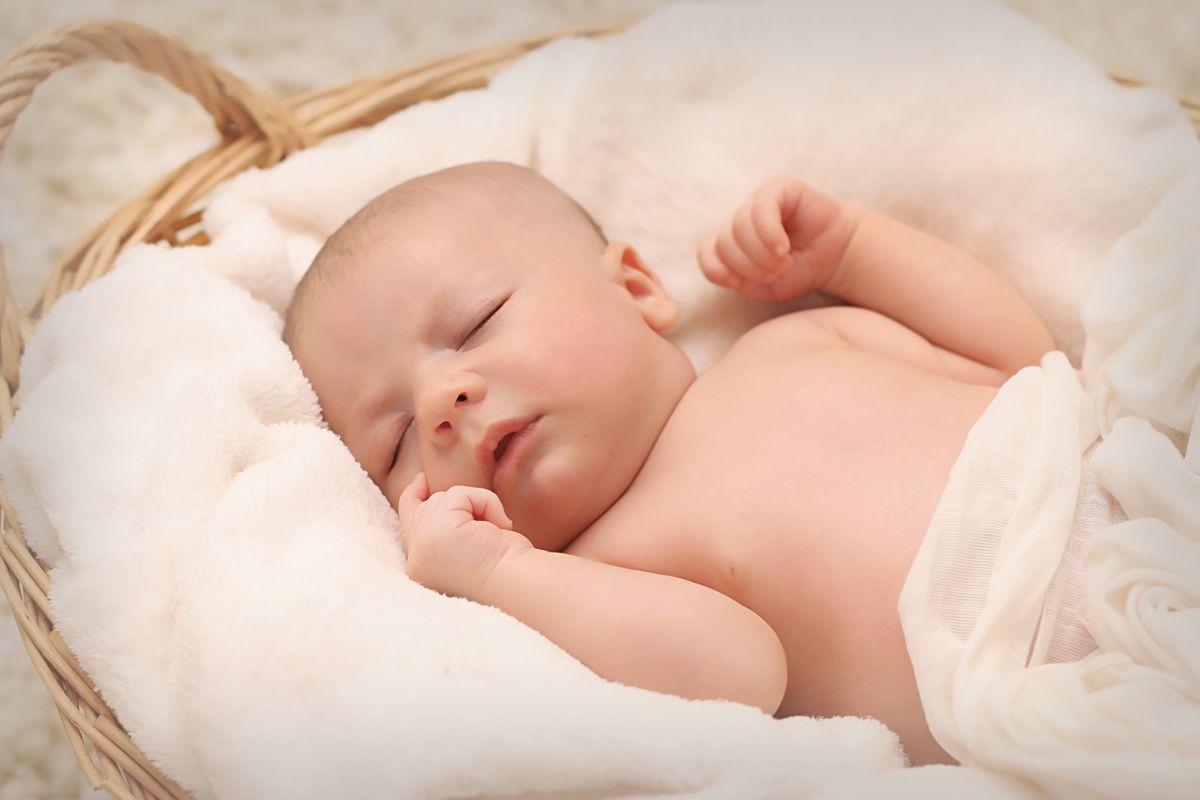
A swaddle is a lightweight wrap that holds your newborn's arms snugly against their body. It mimics the feeling of being in the womb, which is why brand new babies often settle faster when swaddled. Swaddles are for the early weeks and months only.
A sleep bag (also called a sleeping bag or wearable blanket) is a zip-up bag that your baby wears over their sleepsuit. Arms are free, legs have room to move, and there are no loose blankets in the cot. Sleep bags are used from around the time you stop swaddling, and many children use them well into toddlerhood.
That is genuinely it. Swaddle first, sleep bag second. The confusion comes from the overlap in between and the fact that every brand has invented its own name for the in-between stage.
Swaddles: Why Newborns Love Them
Your baby has just spent nine months curled up in a warm, tight space where every movement was met with gentle resistance. Then suddenly they are out in the world, arms flailing, legs kicking, lying on a flat surface with nothing holding them. That startle reflex, where they fling their arms out and wake themselves up, is completely normal. It is also incredibly annoying when you have just spent forty minutes getting them to sleep.
Swaddling helps because it recreates that snug, contained feeling. A well-swaddled baby is less likely to wake themselves with that startle reflex and often sleeps for longer stretches. It is not magic, but it is close.
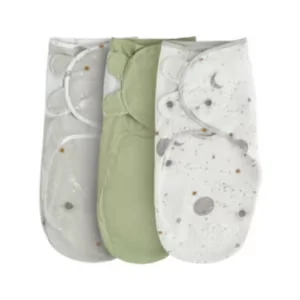

A few things to know about swaddling safely. Always place your swaddled baby on their back to sleep. The swaddle should be firm around the arms but loose around the hips, so your baby can bend and kick their legs freely. An overly tight swaddle around the hips can affect hip development, so think snug arms, froggy legs. And never swaddle a baby who has started showing signs of rolling over.
When to Stop Swaddling (Do Not Miss This)
This is the bit that catches people out. You need to stop swaddling your baby the moment they show signs of trying to roll. For some babies, that is eight weeks. For others, it is closer to four months. There is no fixed age because every baby develops at their own pace.
The signs to watch for: your baby is lifting their head and shoulders during tummy time, they are rocking from side to side when lying on their back, or they are starting to roll from back to tummy (even if they cannot quite get all the way over yet). Once you spot any of these, the swaddle needs to go. A baby who rolls onto their tummy while swaddled cannot use their arms to push up or reposition, and that is a genuine safety risk.
Yes, the first few nights without the swaddle can be rough. Your baby might wake more often and seem unsettled. This is normal and it does pass, usually within a week. Which brings us to the bit everyone asks about.
The Transition: From Swaddle to Sleep Bag
Going from fully swaddled to arms completely free overnight is a big change for a tiny person. Some babies handle it brilliantly. Others really do not. If your baby falls into the second camp, a transitional product can help bridge the gap.
Transitional swaddle bags have the familiar cocoon shape of a swaddle but with arm openings or wing flaps that you can gradually loosen over a few nights. The idea is that your baby gets used to having their arms free bit by bit, rather than all at once. It is like taking the stabilisers off gradually instead of removing them and hoping for the best.
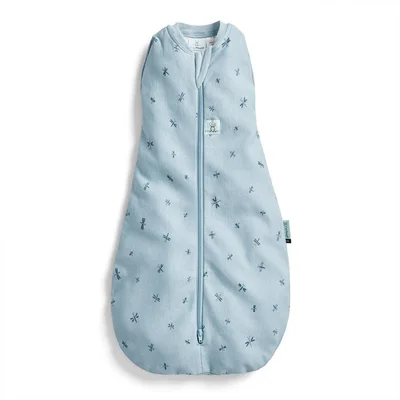

Not every baby needs a transitional product, though. If yours seems unbothered by the switch, you can go straight from swaddle to sleep bag and skip this step entirely. Save the money for something else.
Sleep Bags: The Wearable Duvet Your Baby Cannot Kick Off
Once you are past the swaddle stage, sleep bags become your best friend. And honestly? They might be one of the most underrated pieces of baby gear out there.
The beauty of a sleep bag is its simplicity. Your baby cannot kick it off (unlike a blanket), it cannot ride up over their face (unlike a blanket), and there are no loose layers in the cot (unlike a blanket). Seeing a pattern here? Sleep bags exist because blankets in cots are not recommended for babies under twelve months. A sleep bag gives your baby warmth without the risks.
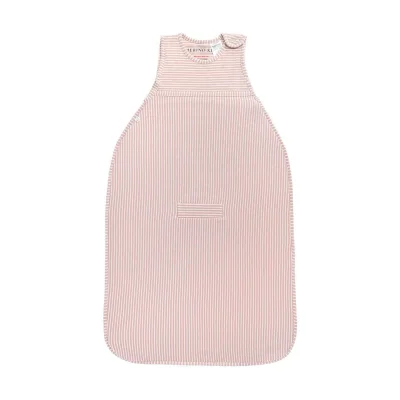
Most babies use sleep bags from around three to four months (when they outgrow the swaddle) right through to two or even three years old. They come in different sizes as your baby grows, and your little one will quickly associate being zipped into their sleep bag with bedtime. Which, when you are trying to build a sleep routine, is genuinely helpful.
Tog Ratings: The Number Everyone Panics About
Tog is just a measurement of warmth. The higher the tog, the warmer the sleep bag. That is all it is. Here is the quick guide that covers 99% of situations:
- 0.5 tog - for warm summer nights (above 24°C in the room)
- 1.0 tog - for warmer rooms or summer (21-23°C)
- 1.5 tog - the year-round sweet spot for most UK homes (20-22°C)
- 2.5 tog - for cooler rooms and winter (16-20°C)
- 3.5 tog - for cold rooms (below 16°C)
The key is matching the tog to the room temperature, not the season. A south-facing nursery in September might be warmer than a north-facing one in May. Get a room thermometer (they cost about three pounds) and check it at bedtime. Then adjust what your baby wears underneath accordingly. On a 2.5 tog night, a short-sleeved bodysuit underneath is usually enough. On a warm 1.0 tog night, just a nappy might do.
If the idea of owning four different tog ratings fills you with dread, look for all-season or adjustable options with removable linings. One bag, multiple temperatures, less cupboard space.
What to Look for When You Are Shopping
Not all sleep bags are created equal. Here are the things actually worth paying attention to:
- Shoulder poppers or a two-way zip - because lifting a sleepy baby to get them out of their bag is a recipe for waking them up. A bottom zip makes night nappy changes much easier.
- Removable sleeves - brilliant for unpredictable weather and transitional seasons. Sleeves on for chilly nights, off when it warms up.
- Natural fabrics - cotton, bamboo, or merino wool all breathe well and help regulate temperature. Synthetic fabrics can make babies overheat.
- Room to grow - some bags have adjustable lengths or come in sizes that overlap so your baby is not between sizes at an awkward time.

One more thing: you will need at least two sleep bags per size. One on the baby, one in the wash. Babies are gloriously unpredictable with their bodily fluids, and discovering at bedtime that the only sleep bag is in a dirty laundry pile is a special kind of frustrating.
The Quick Cheat Sheet
- 0 to 3-4 months (or until rolling signs appear): swaddle, arms in, on their back
- Rolling signs appearing: transition out of swaddle (cold turkey or with a transitional product)
- 4 months to 2-3 years: sleep bag, arms free, matched to room temperature via tog rating
That is genuinely the whole journey. Swaddle, transition, sleep bag. Three stages, no drama.
Adding Sleep Gear to Your Registry
If you are building your baby registry right now, here is what to add: two to three swaddles in newborn size, one transitional product (optional but handy), and two sleep bags in the first size up. Start with a 1.5 tog and a 2.5 tog to cover most room temperatures. You can always add a summer-weight one later if you need it.
The lovely thing about sleep gear is that it makes a brilliant gift. It is practical, it gets used every single night, and people who do not know what else to buy are usually delighted to pick up a sleep bag from a registry. Everyone wins. 💤
You can set up your wishlist and add sleep essentials at bubsnest.co/my-nests in about five minutes. Your baby does not care whether their sleep bag matches the nursery wallpaper. They just want to be warm, safe, and snug. And now you know exactly how to make that happen.
Ready to Create Your Baby Registry?
Start your free baby registry today and share it with friends and family.
Get Started Free