Swaddles vs Sleeping Bags: Which Does Your Baby Actually Need?
Swaddle or sleeping bag? Your stage-by-stage guide to newborn sleep products, from first swaddles through to toddler sleeping bags.
Swaddle or sleeping bag? If you have ever stood in a baby aisle holding both and wondering which one you actually need, here is the short answer: probably both. But not at the same time, and not in the way you might think.
Baby sleep products are one of those categories where you can easily spend a fortune before your little one even arrives. Swaddles, sleeping bags, transitional wraps, arms-up bags, weighted sacks... the options are endless. So let us break it down properly, stage by stage, so you know exactly what to buy and when. 💤
The Newborn Stage: Why Swaddles Are Brilliant (0-8 Weeks)
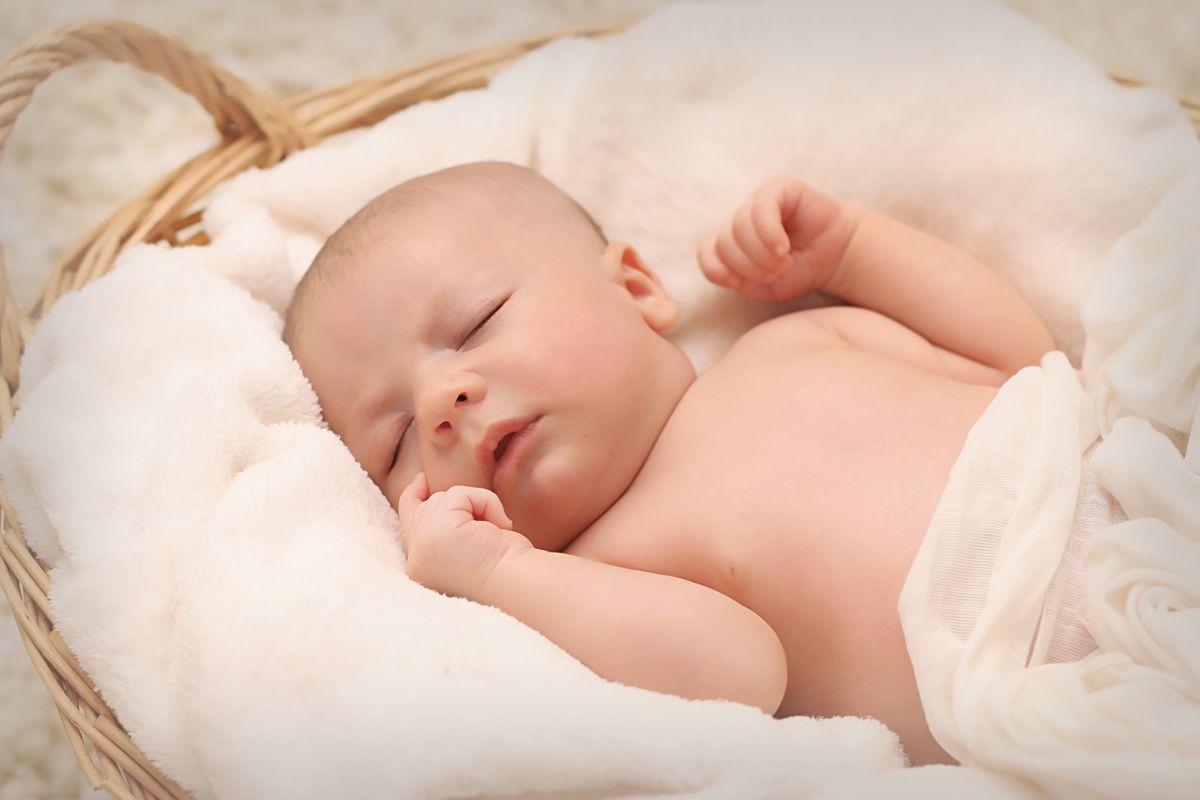
For the first couple of months, a good swaddle is genuinely one of the most useful things you can own. Newborns have something called the Moro reflex, a startle reflex that makes their arms fly out suddenly, which wakes them up. Constantly. A snug swaddle holds their arms gently in place and recreates that tight, cosy feeling of the womb.
The result? Longer stretches of sleep, less startling, and a calmer baby. Not magic, but close enough when you are running on two hours of broken sleep.
Look for a swaddle that is simple to use (you will be doing this half-asleep) and made from breathable fabric. Velcro or zip styles are much easier than the origami-fold muslin technique, especially when you are still figuring everything out.
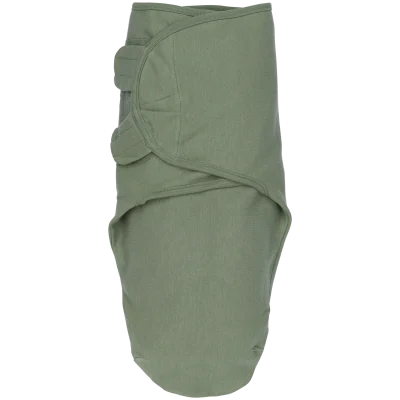

A few safety essentials: always place your baby on their back to sleep, make sure the swaddle is snug around the arms but loose around the hips (tight swaddling around the legs can affect hip development), and never swaddle a baby who is showing signs of rolling. That last point is the most important one.
The Transition: When Swaddling Stops Working (8-16 Weeks)
Somewhere around two to four months, things shift. Your baby starts wriggling out of their swaddle, fighting against it, or showing early signs of rolling. This is when you need to stop swaddling, and it can feel like pulling the rug out from under everyone's sleep.
The good news? There is a whole category of products designed for exactly this awkward in-between stage. Transitional sleep bags let you gradually move from arms-in to arms-out, so your baby adjusts without the cold-turkey shock.
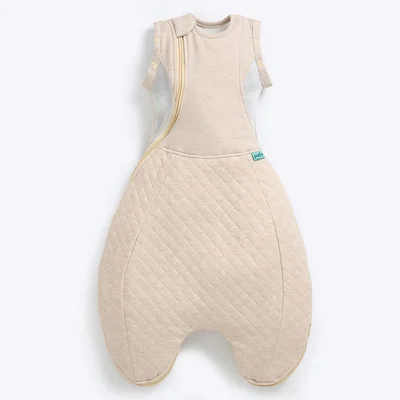


Some parents go one arm out for a few nights, then both arms out. Others rip the plaster off and go straight to a regular sleeping bag. There is no single right way, and your baby will let you know fairly quickly which approach they prefer (usually by screaming or, blissfully, by sleeping through it).
If your baby has always liked having their arms up by their face, an arms-up style sleep bag can be a game-changer. Instead of pinning the arms down or leaving them completely free, these bags let little ones sleep in their natural starfish position while still feeling contained.
Sleeping Bags: The Long Game (4 Months Onward)
Once your baby is past the swaddling stage, sleeping bags become your best friend for a very long time. Most babies use them from around four months right through to two or three years old.
The beauty of a sleeping bag is simplicity. No loose blankets to kick off, no complicated tucking, no worrying about whether your baby's face is covered. You pop them in, zip it up, and that is it. Safe sleep guidance recommends sleeping bags over loose bedding for exactly this reason.
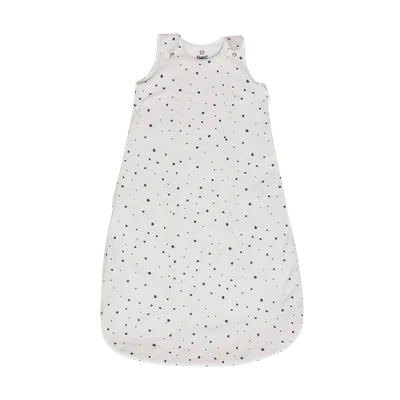

Sleeping bags also make the bedtime routine wonderfully predictable. Babies learn quickly that sleeping bag equals sleep time. It becomes part of the signal, along with dim lights, a feed, and a story, that tells their brain it is time to wind down.
Understanding TOG Ratings (Simpler Than You Think)
TOG is just a measurement of warmth. The higher the number, the warmer the sleeping bag. That is literally it. No need to overthink this one. 🌡️
Here is a rough guide:
- 0.5 TOG - for warm summer nights (above 24°C)
- 1.0 TOG - for mild rooms and warm weather (21-23°C)
- 2.5 TOG - for cooler rooms and most of the year (16-20°C)
- 3.5 TOG - for cold rooms in winter (below 16°C)
Most parents find they need two: a lighter one for summer and a 2.5 TOG for the rest of the year. A room thermometer is genuinely useful here, because bedrooms are often warmer or cooler than you think.
Some sleeping bags are designed to work across multiple seasons by adding or removing layers, which means you get more use out of a single purchase. Worth considering if you do not fancy buying a whole wardrobe of sleep bags.
How Many Do You Actually Need?
Fewer than the internet will tell you. Here is a sensible starting kit:
- 2-3 swaddles for the newborn stage (one on, one in the wash, one spare for emergencies)
- 1 transitional bag for the swaddle-to-sleeping-bag switch
- 2-3 sleeping bags (at least two in the same TOG so you always have a clean one ready)
That is it. You do not need ten different swaddles in coordinating prints, however tempting that may be. Start with the basics, see what your baby actually likes, and add from there.
The Bottom Line
Swaddles and sleeping bags are not competing products. They are different tools for different stages, and most babies will use both. Swaddles are brilliant for those intense first weeks when your newborn needs that womb-like snugness. Sleeping bags take over once your baby outgrows swaddling and carry you through to toddlerhood.
The transition between the two can feel daunting, but with the right products and a bit of patience, it is usually smoother than you expect. And remember: every baby is different. The one that your neighbour's baby loved might not suit yours at all, and that is completely fine.
Add the essentials to your BubsNest registry now so friends and family can help tick them off. Future sleep-deprived you will be very grateful. ✨
Ready to Create Your Baby Registry?
Start your free baby registry today and share it with friends and family.
Get Started Free