Bump, Bust and Beyond: Finding a Comfy Bra Through Pregnancy
Tender, fuller, changing by the week. A friendly, stage-by-stage guide to staying comfy and supported, from the first trimester to the newborn weeks.
Quick question: when did you last get properly measured for a bra?
If the honest answer is "for my school prom" or "erm, never", you are in very good company. Most of us pick a size, stick with it for a decade and hope for the best. 🙈
Pregnancy has other ideas. For lots of people, tender, fuller boobs are one of the very first signs, sometimes before a test has even come back positive. And the changes keep coming. Your cup size can grow, your ribcage widens to make room for baby, and by the end you may be wearing something that looks nothing like the pretty lace you started with.
The good news? A comfy bra is one of the cheapest, simplest ways to feel more like yourself while your body does something extraordinary. Here's how to stay supported, stage by stage.
First Trimester: Tender, Tingly and Suddenly Bigger
Those early weeks can bring sore, heavy, almost bruised-feeling breasts. Hormones are busy getting milk-making tissue ready, months ahead of schedule.
You probably don't need a whole new drawer yet. But if your usual bras are digging, gaping or making you wince when you take them off, it's time for a change.
- Swap structured bras for soft, stretchy, wire-free styles while things settle
- Look for wide straps and a deep band, which spread the weight more kindly
- Try a soft crop top at night if tenderness keeps waking you
Lots of maternity fitters suggest going wire-free in pregnancy, as underwires can press on changing breast tissue. If you really love a wire, a flexible one fitted by a professional is the usual middle ground. Your midwife is always happy to chat it through.
Second Trimester: Time for a Proper Fitting
Somewhere around 16 weeks is a lovely time to get measured. The early growth spurt has often slowed, and you'll get a few good months out of whatever you buy.
Plenty of lingerie shops and maternity boutiques offer free fittings. Pop in, mention you're pregnant, and let someone who does this all day work their magic.
Here's the clever bit nobody mentions at the till: the band, not the straps, does most of the supporting. And during pregnancy your ribcage gradually expands. So the fitting rules are a little different from usual:
- Fasten on the tightest hook when you buy, so you can let it out as your ribs widen
- Check the centre panel sits flat against your breastbone
- No spilling or gaping in the cups, with a touch of room to grow
- Straps should stay put without leaving red grooves in your shoulders
A bra that can double up as a nursing bra later is a smart buy right now. Drop-down clips mean one bra, two jobs, and fewer things to panic-buy at 37 weeks.
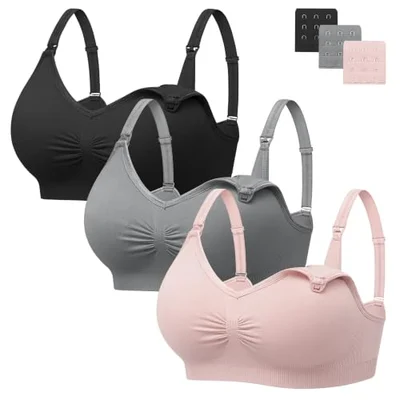

This wire-free style has plenty of stretch, removable padding and a band extender included, so it can flex with you through the growing months and into the feeding ones.
Third Trimester: Comfort First, Everything Else Second
By now, comfort is everything. Your bump is pushing up into your ribs, your back might be grumbling, and getting a good night's sleep can feel like a competitive sport.
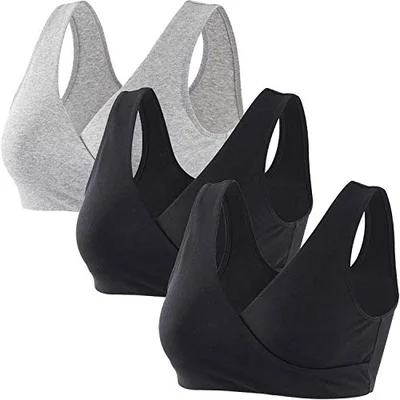
This is when lots of mums-to-be discover the joy of a sleep bra. Soft, seamless and stretchy, it gives gentle support at night without any hooks digging in when you roll onto your side.
Another surprise in the last few months? Some people start to leak a little colostrum, that thick, yellowish first milk. It's completely normal, and just as normal if it doesn't happen at all. A couple of breast pads tucked into your bra will save your favourite tops.
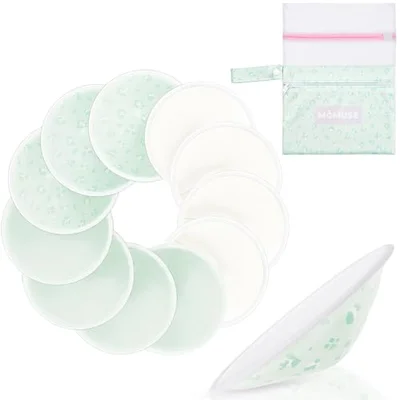
Reusable pads are a nice swap, because you'll likely need them for months after birth too. Pop them in a mesh wash bag and they go straight in with your normal load. 🌿
Getting measured for nursing bras
If you plan to breastfeed or express, around 36 weeks is the classic time to be fitted for nursing bras. Your size at this point is the best guess for those first weeks after birth.
One big tip: buy just two or three to start. Your breasts are likely to change again when your milk comes in a few days after birth, then settle over the following weeks. Stocking up on eight beautiful bras now is a gamble you really don't need to take.
Look for:
- Clips you can undo with one hand (practise while holding a bag of sugar, honestly)
- Stretchy cups that can cope with a fuller day
- Soft fabric that's kind on sensitive skin
- Enough room in the cup for a breast pad
Tuck one into your hospital bag with a few pads. Future you will be very grateful.
After Birth: Easy Access and Gentle Support
The first weeks with a newborn are a lovely blur of feeds, cuddles and wondering what day it is. Your bra drawer needs to keep up.
Now the hook rule flips. Your ribcage slowly heads back towards its pre-pregnancy size, so a nursing bra that fits on the loosest hook gives you room to tighten as you go.
Lots of parents live in sleep bras for the first fortnight and save a proper nursing bra for days out. For night feeds, a button-front nightie over a sleep bra is a quietly brilliant combo. No wrestling with pyjama tops in the dark, and easy skin-to-skin whenever you fancy it.
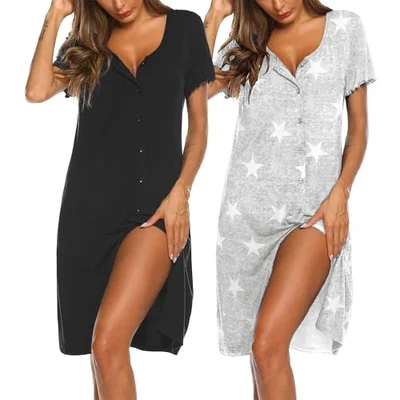
Once things have settled, often around six weeks, it's worth going back for another fitting. Your body has done an incredible job, and it deserves a bra that fits the shape you are now, not the one from your bump days.
Whatever stage you're at, keep half an eye on how your breasts feel. If you notice a lump, a hot or painful patch, or anything that just doesn't seem right, speak to your GP, midwife or health visitor. They would always rather take a look.
Bras aren't the most glamorous thing to put on a wishlist. But sleep bras, breast pads and a cosy nightie are genuinely useful gifts that get worn every single day. Add them (with your size noted!) to your list at bubsnest.co/my-nests and let the people who love you do the shopping. 💛
Ready to Create Your Baby Registry?
Start your free baby registry today and share it with friends and family.
Get Started Free