Colostrum Harvesting: A Gentle Guide to Collecting Liquid Gold Before Birth
Thinking about collecting colostrum before your baby arrives? Here is how it works, when to start, how to store those tiny syringes and how to get them safely to hospital.
Confession: the first time a midwife said the words "colostrum harvesting" to me, I genuinely pictured a tiny tractor.
Turns out it's far less agricultural and far more lovely. It simply means gently collecting a little of your first milk in late pregnancy, so there's a small stash waiting in the freezer when your baby arrives.
It sounds a bit fiddly (it is, at first). It also feels a bit odd (it does, for about two days). But plenty of parents say it gave them a real confidence boost before feeding even began. So grab a cuppa and let's walk through it together. ☕
What Exactly Is Colostrum?
Colostrum is the thick, golden first milk your body starts making from around the middle of pregnancy. It comes in tiny amounts, often just a few drops at a time, and that's exactly how it's meant to be.
Your newborn's tummy is roughly the size of a marble on day one. Colostrum is concentrated, easy to digest and packed with goodness, which is why people lovingly call it "liquid gold".
Some parents notice it leaking all by itself in the third trimester. Others never see a drop until baby arrives. Both are completely normal and say nothing about how feeding will go.
Why Do People Collect It Before Birth?
Having a few syringes ready can be really handy if your baby needs a little extra help in those first days. Midwives often suggest it if:
- You have gestational diabetes or diabetes, as babies sometimes need support keeping their blood sugar steady
- You're expecting a planned caesarean
- Your baby has a known condition that might make early feeding trickier
- You're taking certain medications in late pregnancy
- You simply want to get familiar with hand expressing before the big day
That last one is underrated. Learning the technique while you're calm and well rested is so much easier than working it out on day three with a crying baby and no sleep.
Is It Right for Everyone?
Not always, and this bit matters. In some pregnancies your midwife or doctor may advise you not to express before birth, or to wait.
So before you start, have a quick chat at your next antenatal appointment. Ask whether it's suitable for you, when you can begin, and how your hospital likes collected colostrum to be labelled and stored. Every unit does things slightly differently.
If you ever notice tightenings, cramping or anything that doesn't feel right while expressing, stop and call your maternity unit. Always.
When Can You Start?
Most people are advised to begin around 36 to 37 weeks, once their midwife has given the green light. Starting a couple of weeks before your due date gives you time to practise without any pressure.
Two or three short sessions a day is plenty. We're talking five to ten minutes, not an hour hunched over a syringe.
How Do You Actually Do It?
Hand expressing is the way to go before birth. Pumps aren't usually recommended at this stage, and honestly, the amounts are so small a pump would just suck them up the tubing.
Here's the basic routine:
- Wash your hands and get comfy. A warm shower or a warm flannel beforehand can help things flow.
- Gently massage your breast for a minute or two, stroking towards the nipple.
- Make a "C" shape with your thumb and fingers, a couple of centimetres back from the nipple.
- Press gently back towards your chest, then squeeze your fingers together. Release and repeat in a slow rhythm.
- When drops appear, catch them with a small syringe or a clean collector cup.
- Move your fingers around to a different spot, then swap sides.
Feels clumsy? That's the learning bit. Most people find it clicks after a few sessions. Ask your midwife to show you if you'd like a hand, as watching it once makes a world of difference.
A dedicated kit takes the guesswork out of what you need, with syringes, caps and a little cup all in one place:


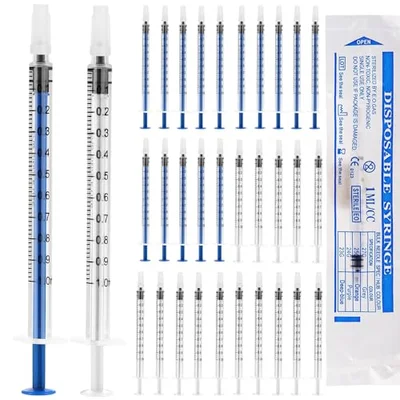
If you get into a good daily rhythm, you'll get through syringes quicker than you'd think. A bulk pack of sterile 1ml syringes with caps saves a last-minute panic order:
What If Only a Few Drops Come Out?
Then you're doing it exactly right. 💛
A single drop, a quarter of a millilitre, a smear on the end of a syringe. All of it counts. The amount you collect before birth has nothing to do with how much milk you'll make later, so please don't let a tiny haul worry you.
Some days you'll get more, some days less. Some sessions you'll get nothing at all. Bodies are funny like that.
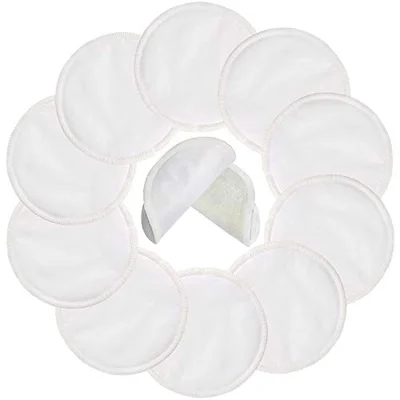
Once you've started, you might notice a bit more leaking between sessions too. A few washable breast pads tucked in your bra keep your tops dry, and they'll come straight in handy again once baby's here:
How Do You Store It?
This is where your hospital's guidance really matters, so follow what your midwife tells you. The usual pattern looks something like this:
- Cap the syringe and pop it in a clean, sealed bag or box in the fridge between sessions.
- You can often add to the same syringe over a short period (usually up to a day or so), then it goes in the freezer.
- Label each syringe with your name, the date and any hospital number you've been given.
- Keep them together in one labelled bag in the freezer so nothing gets lost behind the fish fingers.
A little tip: write the labels before you start each day. Trying to write on a tiny syringe with one hand while holding a drop of milk in the other is a sport nobody needs.
How Do You Get It to Hospital?
When labour starts or you head in for your caesarean, your partner or birth partner grabs the frozen syringes and packs them in a cool bag with ice packs. Add it to your hospital bag checklist now, with a big note on the freezer door so nobody forgets in the excitement.
Tell a midwife as soon as you arrive. Many units have a freezer for this, and they'll make sure it's stored properly and used when your baby needs it.
A proper insulated cool bag that zips shut is much more reliable than a supermarket carrier with a bag of frozen peas:

And if you're having a home birth, keep everything in the freezer until it's needed and let your midwife know it's there.
What If You Change Your Mind?
Then you change your mind. Truly, that's fine.
Colostrum harvesting is a nice extra, not a test. If it feels uncomfortable, stressful or just not for you, you can stop at any point. Your baby will still be fed, your body will still make colostrum after birth, and the midwives will be there to support you either way.
Whatever you decide, the fact you're reading up on it says you're already thinking ahead for your little one. That's pretty brilliant.
Pulling together your late-pregnancy bits? Add your colostrum kit, cool bag and feeding essentials to your list so friends and family know exactly what's useful. Start your BubsNest wishlist here. 🍼
Ready to Create Your Baby Registry?
Start your free baby registry today and share it with friends and family.
Get Started Free